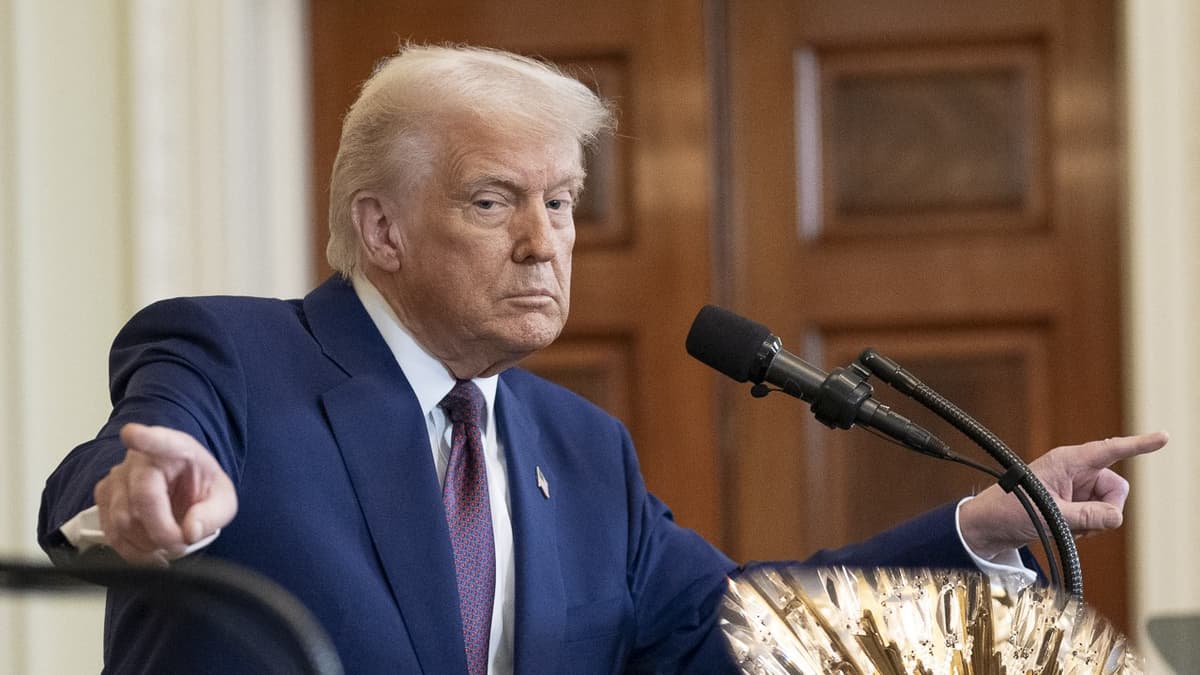
Trump Announces Hormuz Evacuation Plan for Stranded Ships
Why It Matters
Restoring navigation through Hormuz is critical for global oil flow and supply‑chain stability, while the U.S. show of force signals a willingness to counter Iranian aggression and protect international shipping.
Key Takeaways
- •Around 1,000 vessels and 20,000 crew stranded since Feb 28
- •Project Freedom deploys destroyers, 100+ aircraft, unmanned platforms, 15,000 troops
- •Iran’s mine threat makes Hormuz navigation extremely hazardous
- •U.S. frames mission as freedom of navigation, not purely humanitarian
Pulse Analysis
The Strait of Hormuz, a 21‑mile chokepoint that carries roughly 20% of the world’s petroleum, has long been a flashpoint for geopolitical tension. Iran’s decision to block commercial traffic after the Feb 28 escalation effectively halted a critical artery for oil, liquefied natural gas and bulk commodities, prompting insurers to hike premiums and shippers to reroute vessels around the Cape of Good Hope. The resulting supply‑chain disruptions underscored how quickly regional conflicts can reverberate through global markets, raising concerns among energy‑dependent economies and investors alike.
Project Freedom represents the most extensive U.S. maritime mobilization in the Gulf since the 2019 tanker attacks. By committing guided‑missile destroyers, a fleet of over 100 land‑ and sea‑based aircraft, and a suite of unmanned systems, the United States signals both a humanitarian intent and a strategic deterrent. The presence of 15,000 service members underscores the operation’s scale, while the explicit warning that interference will be met with force serves as a direct message to Tehran and any proxy actors. Analysts view the move as a calibrated effort to restore freedom of navigation without escalating into full‑scale conflict, though the risk of miscalculation remains high given recent mine threats and vessel assaults.
For the shipping industry, the announcement offers a tentative pathway to resume normal routing, but confidence will hinge on the safe clearance of mines and the stability of the security environment. Insurers are likely to adjust rates downward if the corridor proves secure, while charterers may still favor longer, costlier routes until a clear pattern of safety emerges. In the broader geopolitical arena, a successful evacuation could reinforce U.S. credibility in defending maritime commerce, potentially deterring future attempts to weaponize chokepoints, whereas any setback could embolden Iran to leverage the strait as a bargaining chip in future negotiations.
Trump announces Hormuz evacuation plan for stranded ships
Comments
Want to join the conversation?
Loading comments...