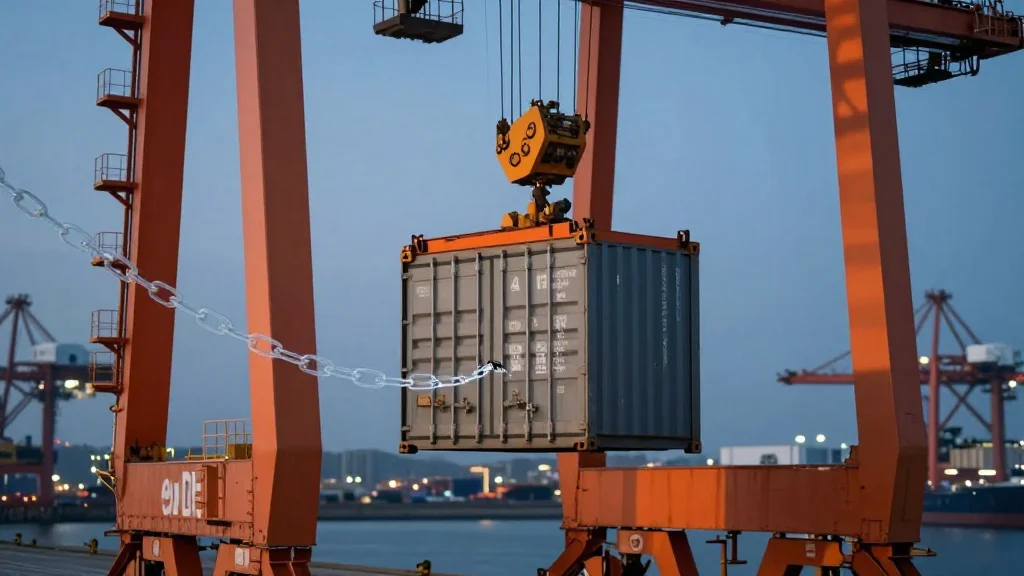
Trump Announces Plan to Unblock Trapped Vessels in Middle East Gulf
Why It Matters
Restoring Gulf shipping revives critical oil and goods flows, bolstering global supply chains and reinforcing U.S. influence in a volatile region. The initiative also safeguards seafarer safety and stabilizes market confidence.
Key Takeaways
- •Project Freedom targets hundreds of ships stuck in Gulf
- •U.S. assistance could restore $10+ billion daily trade flow
- •Seafarer safety improves as vessels receive escort out
- •Regional tensions may ease if shipping routes reopen quickly
- •Trump's move signals renewed U.S. naval presence in Middle East
Pulse Analysis
The Middle East Gulf, a chokepoint handling roughly 30% of global oil shipments, has been crippled by recent hostilities that immobilized dozens of container ships and tankers. Blockades and missile threats forced vessels to anchor, creating a backlog that threatened to ripple through energy markets, raise freight rates, and strain supply chains from Asia to Europe. With the Gulf’s strategic importance, any prolonged disruption can trigger price volatility and force shippers to reroute around the longer, costlier Cape of Good Hope.
"Project Freedom" leverages the U.S. Navy’s carrier strike groups, amphibious vessels, and specialized maritime security teams to escort trapped ships out of the danger zone. Launched on Monday, the operation will prioritize vessels carrying critical commodities, then expand to smaller commercial ships. By coordinating with regional authorities and employing real‑time intelligence, the initiative aims to clear the backlog within weeks, restoring an estimated $10 billion in daily trade value. The swift deployment underscores Washington’s commitment to safeguarding international commerce and protecting American maritime interests.
Beyond immediate logistics, the rescue effort carries broader geopolitical weight. Demonstrating a decisive U.S. presence may deter further aggression, encouraging diplomatic de‑escalation and fostering cooperation with Gulf allies. For the shipping industry, the operation signals a renewed focus on resilience, prompting firms to reassess risk‑mitigation strategies and insurance premiums. In the longer term, the success of Project Freedom could set a precedent for rapid multinational responses to future maritime crises, reinforcing the Gulf’s role as a stable artery of global trade.
Trump announces plan to unblock trapped vessels in Middle East Gulf
Comments
Want to join the conversation?
Loading comments...