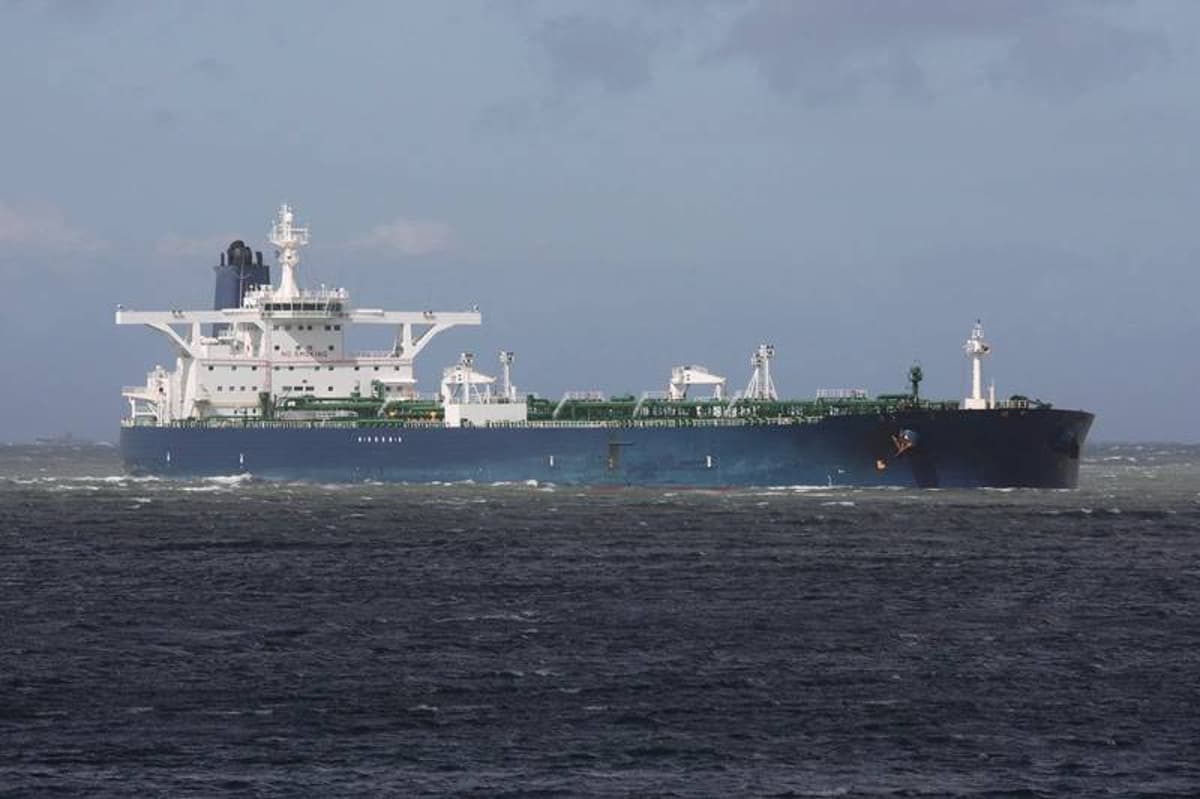
Two Chinese VLCCs Exit Strait of Hormuz
Why It Matters
The departures confirm Chinese refiners’ ability to secure Gulf crude despite heightened geopolitical risk, reinforcing China’s energy‑security strategy and influencing global oil‑supply dynamics.
Key Takeaways
- •Two Chinese VLCCs moved 4 M barrels through Hormuz
- •Yuan Gui Yang carries 2 M barrels Iraqi Basrah, arriving June 4
- •Ocean Lily transports 1 M barrels each Qatari, Iraqi, arriving June 5
- •China’s Sinopec, Sinochem rely on Gulf crude despite tensions
Pulse Analysis
The latest movements of the Yuan Gui Yang and Ocean Lily highlight how Chinese supertankers are navigating the increasingly fraught Strait of Hormuz. Both vessels loaded crude in late February, just before the U.S.–Israeli strike on Iranian targets, and were forced to linger in the Gulf for over two months. Iran’s directive that all outbound tankers use a specific transit corridor added operational delays, but the ships eventually cleared the chokepoint, underscoring the resilience of established shipping lanes even under political pressure.
For China’s largest refiners, securing Middle East feedstock remains a top priority. Sinopec’s Unipec and Sinochem’s trading units have locked in Iraqi Basrah and Qatari al‑Shaheen grades to meet domestic demand for gasoline and diesel, while diversifying away from Russian supplies. The timing aligns with China’s broader energy‑security agenda, which seeks to lock in long‑term contracts and maintain steady import volumes despite regional flashpoints. By committing VLCCs to Gulf cargoes, Chinese firms signal confidence in the reliability of the Strait, even as alternative routes such as the Cape of Good Hope become costlier and slower.
The broader market watches these shipments for clues about oil‑price pressure. A smooth exodus of four million barrels eases short‑term supply concerns that could have tightened Asian spot markets. However, the lingering wait time illustrates how geopolitical risk can compress vessel availability, potentially nudging freight rates higher. Analysts will monitor whether future Chinese VLCCs face similar delays, which could ripple through global crude logistics and influence benchmark pricing in the months ahead.
Two Chinese VLCCs Exit Strait of Hormuz
Comments
Want to join the conversation?
Loading comments...