Tyson Foods and Lexington, Nebraska Strike Deal to Repurpose Closed Beef Plant

Companies Mentioned
Why It Matters
The deal directly affects the domestic meat‑processing supply chain by preserving critical infrastructure that could be redeployed for alternative food‑production or agribusiness activities. By keeping the wastewater treatment plant and farmland under local control, Lexington can attract developers who may restore jobs and maintain regional logistics flows for livestock and feed inputs. Beyond the immediate community, the agreement signals how large processors like Tyson can mitigate the social and economic fallout of plant closures. It offers a blueprint for public‑private collaboration that balances corporate efficiency goals with local workforce stability, a tension that has intensified as the industry consolidates and automates.
Key Takeaways
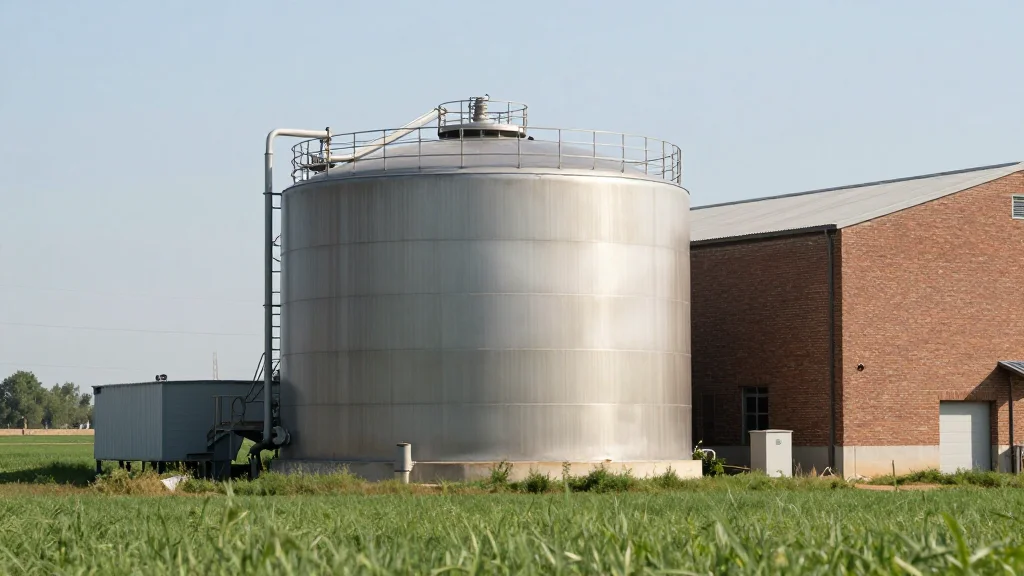
- •Tyson Foods and Lexington, Nebraska signed an agreement to transfer the plant’s wastewater facility and farmland to the city.
- •The Lexington beef‑processing plant closed in January, cutting 3,200 jobs in a town of 11,000 residents.
- •Tyson said the closures were intended to right‑size its beef business and improve long‑term profitability.
- •City officials will seek private developers and aim to issue a request for proposals within 60 days.
- •The repurposed site could support new agribusiness or food‑processing ventures, preserving regional supply‑chain links.
Pulse Analysis
Tyson's decision to offload the Lexington assets reflects a broader industry shift toward leaner, more flexible operations. By shedding fixed‑cost facilities while retaining strategic control over key infrastructure, Tyson can reallocate capital to higher‑margin segments such as value‑added meat products and automated processing lines. The move also reduces exposure to labor‑intensive, low‑productivity plants that have become liabilities amid rising wage pressures and safety concerns.
For the supply chain, the Lexington agreement could serve as a catalyst for diversification. If the city successfully attracts a developer focused on alternative protein processing, local feed‑lot producers may find new outlets for their livestock, cushioning the impact of reduced beef throughput. Conversely, failure to secure investment could deepen the region’s economic distress, prompting out‑migration of skilled workers and eroding the labor pool that other agribusinesses rely on.
Looking ahead, the partnership will be a litmus test for how quickly the meat‑processing sector can adapt to plant closures without destabilizing regional food networks. Stakeholders—from grain suppliers to logistics firms—will watch Lexington’s progress closely, as the outcome may inform future negotiations between processors and municipalities facing similar restructuring pressures.
Tyson Foods and Lexington, Nebraska Strike Deal to Repurpose Closed Beef Plant
Comments
Want to join the conversation?
Loading comments...