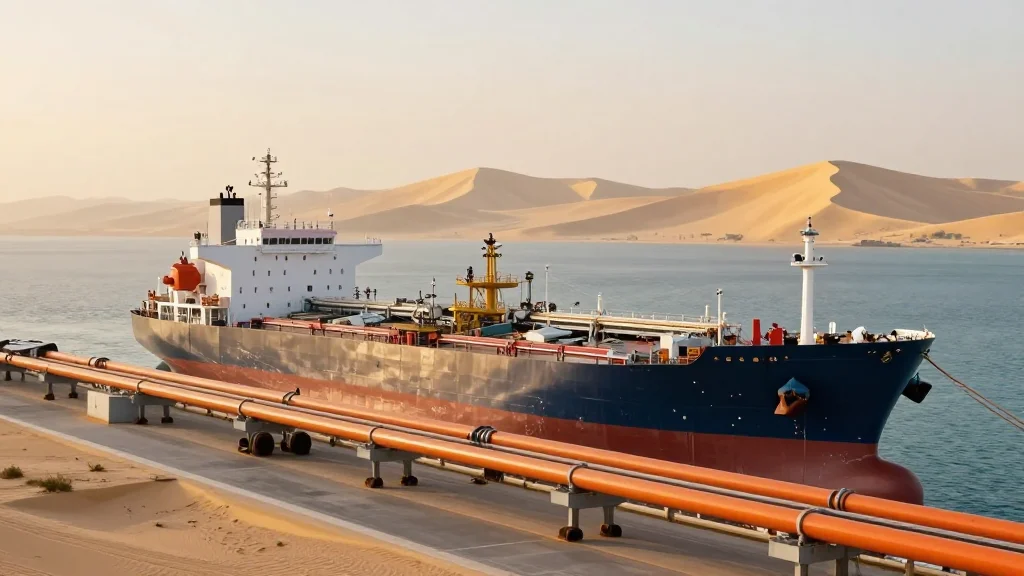
UAE Moves to Cut Dependency on Strait of Hormuz to ‘Zero’
Why It Matters
By diversifying export routes, the UAE reduces exposure to geopolitical chokepoints, bolstering energy‑security for global markets. The shift also reshapes regional logistics, influencing oil, LNG and commodity pricing worldwide.
Key Takeaways
- •UAE aims for zero dependence on Strait of Hormuz
- •New pipelines and second Fujairah line will double crude capacity
- •Eastern ports Fujairah, Dibba, Khor Fakkan to become primary export hubs
- •Multi‑billion‑dollar rail and road upgrades will link ports to inland markets
- •Plan reduces geopolitical risk but may raise domestic transport costs
Pulse Analysis
The Strait of Hormuz has long been a strategic artery for roughly one‑fifth of the world’s oil and LNG flows. Its recent closure, triggered by escalating U.S.–Israeli strikes on Iran, exposed the vulnerability of Gulf exporters, especially the UAE, which relies heavily on Gulf‑side ports for both imports and exports. As regional tensions linger, Abu Dhabi’s leadership is accelerating a pivot toward the Gulf of Oman, where existing infrastructure already offers a partial lifeline for crude shipments.
Central to the UAE’s diversification are massive upgrades to its eastern coastline. The government plans to double Fujairah’s crude‑export capacity by completing a second pipeline and is evaluating a third line for petrochemicals and LNG. Simultaneously, the ports of Dibba, Fujairah and Khor Fakkan will be expanded, and a new harbor is slated for the same shore. To bridge the distance between these outlets and inland production sites, the UAE is earmarking several billion dollars for rail and road projects, effectively creating a parallel logistics corridor that can handle both energy products and high‑value cargo.
While the infrastructure push promises greater resilience against future chokepoint disruptions, it also introduces new cost dynamics. Transporting goods from the eastern ports to major consumer hubs like Dubai and Abu Dhabi will be more expensive than the current Gulf‑port routes, potentially inflating domestic logistics costs. Nevertheless, investors and global traders view the move as a stabilizing force for energy markets, reducing the risk premium attached to Hormuz‑dependent shipments and reinforcing the UAE’s position as a reliable conduit for Middle‑East energy supplies.
UAE Moves to Cut Dependency on Strait of Hormuz to ‘Zero’
Comments
Want to join the conversation?
Loading comments...