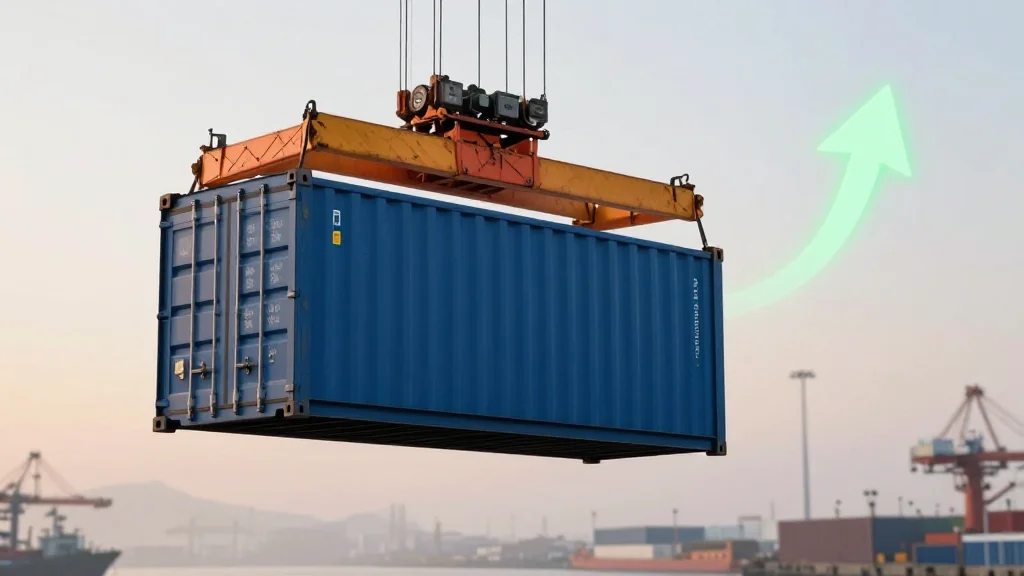
UBS Flags Fastest‑Rising Supply‑Chain Stress Since Pandemic, Transport Costs Hit Decade High

Companies Mentioned
Why It Matters
Transport costs are a key component of the consumer price index, and a sustained rise can quickly filter through to end‑user prices for goods ranging from groceries to electronics. If logistics expenses remain elevated, businesses may pass on higher costs, eroding real wages and potentially reigniting inflationary pressures that the Federal Reserve has been working to suppress. Moreover, the supply‑chain stress highlighted by UBS signals deeper structural bottlenecks—such as limited trucking capacity and geopolitical chokepoints—that could limit the effectiveness of monetary policy and force policymakers to consider targeted interventions in the logistics sector. For investors and corporate strategists, the data points to a need for greater resilience planning. Companies may accelerate investments in alternative routing, inventory buffers, or technology‑driven visibility solutions to mitigate the impact of freight price volatility. Meanwhile, commodity traders and freight forwarders could see heightened demand for hedging instruments and capacity‑allocation services as firms seek to lock in rates amid uncertainty.
Key Takeaways
- •UBS analyst Pierre Lafourcade says supply‑chain stress is rising fastest since early COVID‑19.
- •May 2026 Logistics Managers' Index shows transport costs at a ten‑year high.
- •Global Supply Chain Stress Index jumped 1.2 standard deviations in March‑April, second‑largest since July 2020.
- •LMI forecasts logistics costs to increase 253.6% over the next 12 months.
- •Fed’s Beige Book notes growing business concern over freight and supply costs.
Pulse Analysis
The latest UBS alert underscores a shift from demand‑driven to supply‑driven inflationary risk, a scenario that historically proves more stubborn for central banks. In the early 2020s, the U.S. experienced a supply shock‑induced inflation spike that peaked in 2022, prompting aggressive rate hikes that eventually cooled demand but left supply constraints largely untouched. The current environment mirrors that pattern: freight costs are climbing because physical capacity cannot keep pace with demand, and monetary policy has limited leverage to address the bottleneck.
From a market perspective, the logistics sector is poised for a bifurcated outlook. Asset‑heavy carriers may benefit from higher spot rates, but the erosion of profit margins due to rising fuel and labor costs could offset gains. Meanwhile, technology firms offering supply‑chain visibility, predictive analytics, and capacity‑matching platforms stand to capture increased spend as shippers look for ways to navigate volatility. Investors should monitor capital allocation trends in these adjacent tech segments, as they may become the de‑facto hedges against freight price spikes.
Looking ahead, the resolution of the Hormuz chokepoint will be a critical catalyst. If diplomatic efforts succeed, we could see a modest easing of energy‑related freight costs, but the underlying capacity crunch in trucking and rail is likely to persist without substantive infrastructure investment. Policymakers may need to consider targeted subsidies or regulatory adjustments to expand capacity, a move that could reshape the logistics landscape for years to come.
UBS Flags Fastest‑Rising Supply‑Chain Stress Since Pandemic, Transport Costs Hit Decade High
Comments
Want to join the conversation?
Loading comments...