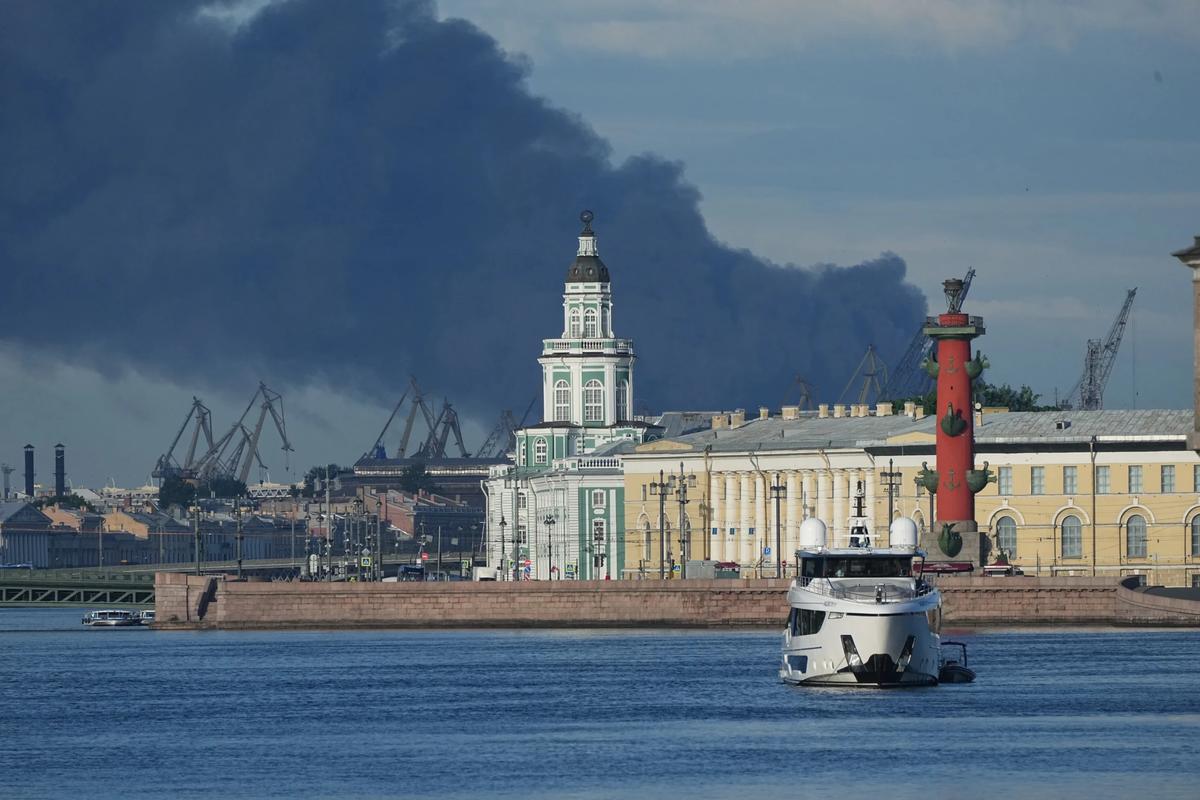
Ukraine Strike on Russia's St. Petersburg Oil Hub Fuels Energy Security Fears
Why It Matters
The hit threatens Russia’s vital energy export revenue and signals that strategic assets far from the front line are now viable targets, prompting businesses to reconsider exposure and security costs.
Key Takeaways
- •Ukrainian drones hit St. Petersburg oil terminal, traveling over 1,000 km.
- •Strike occurs days before Putin's economic forum, highlighting vulnerability.
- •Repeated attacks force businesses to reassess security and investment risk.
- •Energy export revenues remain crucial for Russia’s war financing.
- •Long-range drone warfare expands conflict beyond front lines, raising supply‑chain concerns.
Pulse Analysis
The June drone strike on St. Petersburg’s oil hub marks a turning point in the Russia‑Ukraine war, demonstrating that Ukraine can project force well beyond the battlefield. By targeting a terminal that processes millions of barrels of crude for export, Kyiv aims to erode the cash flow that underpins Moscow’s military budget. The operation also serves a symbolic purpose, striking ahead of Putin’s economic forum to showcase the Kremlin’s vulnerability despite its attempts to project resilience to foreign investors.
Energy analysts note that Russia’s oil and gas exports remain a cornerstone of its fiscal stability, accounting for roughly 30% of state revenue. Disruptions at key terminals can tighten global supply, but the immediate market impact is muted because the Russian system is heavily diversified and stockpiled. Still, repeated strikes raise the specter of longer‑term capacity loss, higher insurance premiums, and a possible shift in trade routes as buyers seek more reliable sources. The incident also underscores the growing importance of unmanned aerial systems as strategic tools that can bypass traditional front‑line defenses.
For multinational corporations and insurers, the message is clear: critical infrastructure in traditionally secure regions is now a calculable risk. Companies with exposure to Russian energy markets must factor in heightened security costs, contingency planning, and potential regulatory changes. Investors are likely to demand greater transparency on geopolitical risk metrics, while governments may tighten export controls on dual‑use technologies. As drone warfare becomes a regular feature of modern conflict, the cost of protecting industrial assets could become a material line item in corporate budgets, influencing capital allocation decisions for years to come.
Ukraine Strike on Russia's St. Petersburg Oil Hub Fuels Energy Security Fears
Comments
Want to join the conversation?
Loading comments...