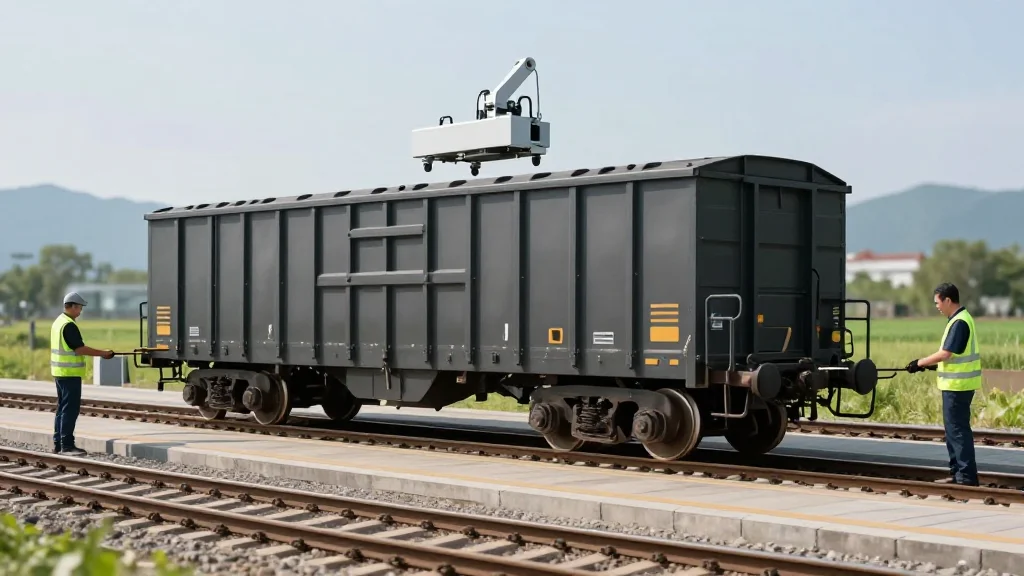
Ukrainian Railways Uses Bogie Change Tech on New Route From Romania
Why It Matters
The faster gauge‑change reduces border dwell time and handling costs, making rail more competitive against road transport and helping Ukraine sustain export‑import flows despite a shrinking freight market.
Key Takeaways
- •UZ launched freight service linking Constanta port to Perechyn
- •Bogie‑change tech cuts gauge‑change time to a few hours
- •Service targets new customers amid falling freight volumes
- •60‑ft platforms converted from 1,520 mm to 1,435 mm gauge
- •Spain pledged €5.5 million (~$5.9 M) for gauge systems
Pulse Analysis
Europe’s rail network is fragmented by differing track gauges, a legacy that adds hours and expense to cross‑border shipments. Ukraine’s 1,520‑mm broad gauge meets the 1,435‑mm standard gauge used by most of the EU, forcing freight to undergo lengthy trans‑shipment or bogie swaps. By adopting a modular bogie‑change system, Ukrainian Railways can replace wheelsets on 60‑foot platforms in a matter of hours, eliminating the need to unload and reload cargo. This technology not only trims transit times but also cuts handling labor, reduces damage risk, and lowers overall logistics costs, making rail a more attractive option for shippers seeking reliable, cost‑effective routes.
The new Constanta‑Perechyn corridor taps the deep‑water port on the Black Sea, providing a direct maritime‑rail link for Ukrainian exporters and EU importers. Rolled steel was the inaugural cargo, demonstrating the line’s capacity for high‑value, bulk commodities. Partnering with UZ Cargo Poland and transport specialist Lisky, UZ aims to capture market share lost to trucking amid a downturn in freight volumes. The rapid bogie conversion also shortens border clearance, a critical advantage given heightened customs scrutiny and infrastructure bottlenecks in the region.
Beyond the immediate operational gains, the initiative signals broader strategic alignment with European logistics. Spain’s €5.5 million commitment to variable‑gauge systems underscores EU interest in bolstering Ukraine’s rail connectivity, facilitating smoother supply chains for both humanitarian aid and commercial trade. As Western European investors seek resilient transport corridors, technologies that streamline gauge transitions could become a cornerstone of post‑conflict reconstruction and long‑term economic integration across the continent.
Ukrainian Railways uses bogie change tech on new route from Romania
Comments
Want to join the conversation?
Loading comments...