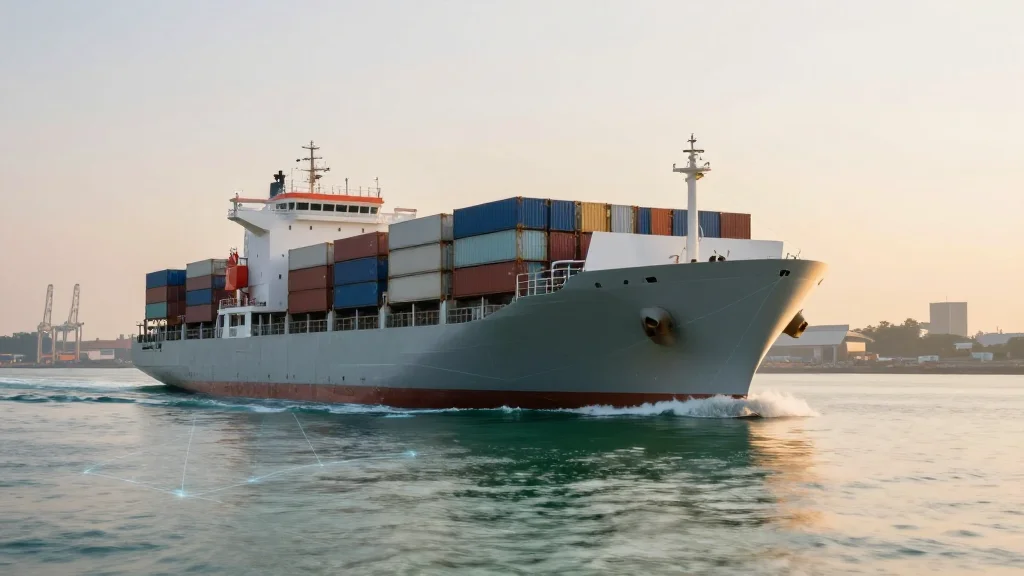
UNCTAD and Singapore Team Up to Green Global Maritime Transport

Why It Matters
Ports are the linchpin of global supply chains, moving the majority of goods that fuel economies worldwide. By targeting the twin challenges of emissions and operational fragility, the UNCTAD‑Singapore partnership tackles a critical bottleneck that affects everything from consumer electronics to agricultural commodities. The focus on developing‑country support ensures that the benefits of greener, more reliable shipping are not confined to advanced economies, helping to narrow the sustainability gap. Moreover, the collaboration dovetails with broader climate commitments under the Paris Agreement and the UN’s Sustainable Development Goals. Successful pilots could set a precedent for other maritime hubs, accelerating industry‑wide adoption of low‑carbon fuels and digital twins, and ultimately reducing the carbon footprint of global trade.
Key Takeaways
- •Ports handle over 80 % of world trade by volume, yet remain energy‑intensive.
- •UNCTAD and Singapore's MPA sign partnership to promote cleaner fuels and digital tech.
- •Initiative includes training, advisory services and institutional strengthening for developing nations.
- •Pilot projects for low‑sulphur and hydrogen fuels to launch in Singapore by Q4 2026.
- •Outcomes will feed into the UN Global Supply Chain Forum 2026, influencing future maritime standards.
Pulse Analysis
The UNCTAD‑Singapore partnership marks a rare convergence of multilateral development expertise and a world‑class port operator. Historically, maritime decarbonisation has been hampered by fragmented standards and uneven access to financing. By bundling policy guidance with on‑the‑ground pilots, the alliance can bypass bureaucratic delays and demonstrate tangible benefits to skeptical stakeholders. This model could inspire similar collaborations, for example between the European Union and African port authorities, accelerating a global shift.
From a competitive standpoint, Singapore stands to reinforce its position as the premier hub for next‑generation logistics. If its pilots prove cost‑effective, other ports may be compelled to adopt comparable technologies to retain shipping volumes, creating a ripple effect across the industry. Conversely, developing nations that receive capacity‑building support could leapfrog legacy infrastructure, narrowing the gap with advanced economies.
Looking forward, the partnership’s success will hinge on measurable outcomes—fuel switch percentages, emission reductions, and digital adoption rates. Investors and insurers are already factoring climate resilience into risk assessments; clear data from these pilots could unlock new financing streams for ports worldwide. In the longer term, the initiative may reshape the regulatory landscape, prompting the International Maritime Organization to embed pilot‑tested standards into its global framework, thereby cementing a more sustainable, resilient supply chain for the next decade.
UNCTAD and Singapore Team Up to Green Global Maritime Transport
Comments
Want to join the conversation?
Loading comments...