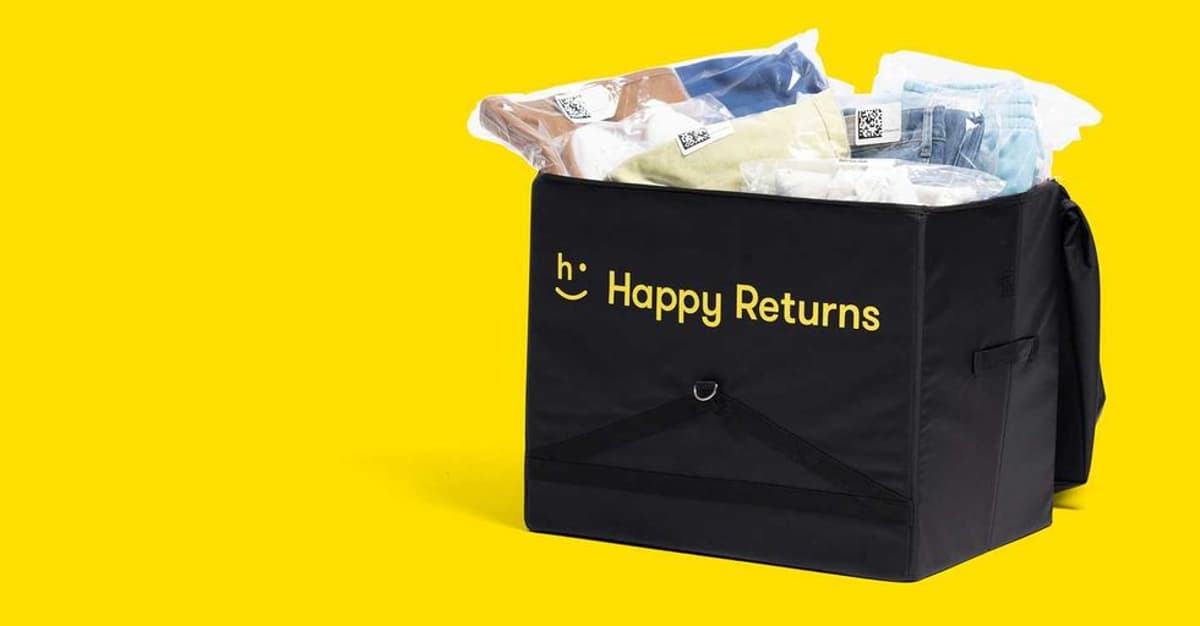
UPS Expands Product Return Network
Companies Mentioned
Why It Matters
The enlarged network reduces return friction for consumers and cuts processing costs for retailers, strengthening UPS’s role in the fast‑growing reverse‑logistics market. It also supports sustainability goals by streamlining returns and curbing fraud.
Key Takeaways
- •UPS adds 1,700 Return Bar sites, reaching 10,000 nationwide
- •79% of Americans now live within five miles of a drop‑off
- •Returns require no packaging or printed label at Return Bar
- •AI‑powered Return Vision scores risk to curb return fraud
- •Retailers can cut processing costs and improve sustainability
Pulse Analysis
UPS’s latest expansion of its Return Bar network underscores the accelerating importance of reverse logistics in a digital‑first retail landscape. By adding 1,700 new drop‑off points through Annex Brands and PackageHub Business Centers, UPS now offers 10,000 box‑free, label‑free locations, ensuring that three‑quarters of the U.S. population can return a purchase within a five‑mile radius. This hyper‑convenient model removes a key barrier for online shoppers, who increasingly expect seamless, cost‑free returns, and it gives retailers a scalable solution to manage the surge in reverse‑flow volumes.
For merchants, the UPS network translates into tangible cost savings and operational efficiencies. Traditional return processing can cost $15‑$35 per item, driven by packaging, labeling, and multiple freight legs. UPS’s AI‑driven Return Vision adds a layer of risk scoring that identifies potentially fraudulent returns before they enter the supply chain, protecting margins and reducing manual audits. The label‑free drop‑off also shortens the time to refund, enhancing customer satisfaction and loyalty—critical metrics in a market where e‑commerce sales have more than doubled as a share of total retail over the past decade.
The broader industry sees UPS’s move as a benchmark for integrating technology, convenience, and sustainability in reverse logistics. Competitors are racing to build similar networks, but UPS’s end‑to‑end offering—from first‑mile delivery to instant refunds—sets a high bar. By diverting returns from distant warehouses and minimizing unnecessary transportation, the network also cuts carbon emissions, aligning with the growing ESG expectations of Gen Z consumers and corporate buyers alike. As e‑commerce continues to dominate, robust, AI‑enhanced return infrastructures like UPS’s will become a decisive factor in retailer profitability and brand reputation.
UPS expands product return network
Comments
Want to join the conversation?
Loading comments...