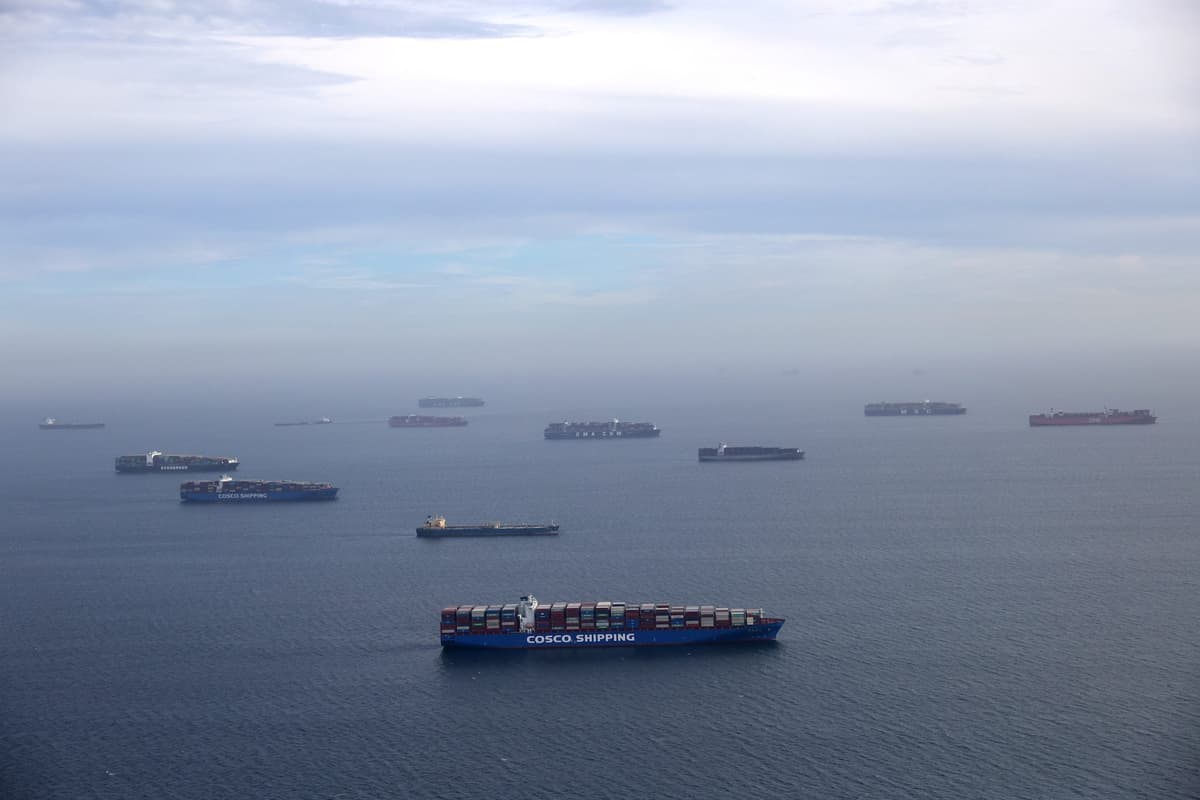
U.S. Alleges Chinese Shipping Container Giants Rigged Global Supply During COVID Crisis
Why It Matters
Restricting container supply amplified pandemic‑era freight spikes, inflating costs for shippers and carriers worldwide. The indictment signals a broader U.S. push to curb Chinese control over critical logistics infrastructure.
Key Takeaways
- •Four Chinese container makers indicted for global price‑fixing scheme
- •CIMC profits jumped from $19.8 M to $1.75 B between 2019‑2021
- •Cartel allegedly cut shifts, added cameras, and set production quotas
- •China supplies over 90% of world’s shipping containers
- •Potential fines up to $100 M or twice illicit gains
Pulse Analysis
The Justice Department’s superseding indictment marks one of the most expansive antitrust actions targeting the maritime logistics sector. By accusing four Chinese manufacturers of colluding to cap output and inflate prices, prosecutors highlight how a tightly controlled supply of standard dry containers can ripple through global trade. The alleged cartel’s tactics—reducing factory shifts, installing surveillance cameras, and imposing financial penalties—created artificial scarcity at a time when pandemic‑driven demand surged, contributing to record freight rates and port congestion that reshaped supply‑chain strategies across industries.
China’s grip on container production, exceeding 90% of worldwide capacity, has long been a strategic lever for its export‑driven economy. The indictment underscores growing U.S. concerns that such dominance poses both economic and national‑security risks, echoing findings from a 2025 Section 301 review that flagged China’s maritime industrial strategy as a vulnerability. As carriers and shippers grapple with volatile container pricing, the case could accelerate calls for diversification of the container supply base, incentivizing investment in alternative manufacturing hubs and prompting policymakers to consider stricter export‑control regimes.
Looking ahead, the potential penalties—up to $100 million per corporation or twice the illicit gains—signal a willingness to impose heavyweight sanctions on foreign cartels that disrupt U.S. markets. If convictions follow, the ripple effect may force Chinese firms to restructure pricing practices and could embolden other jurisdictions to pursue similar actions. For global traders, the outcome will shape cost forecasts, risk‑management approaches, and the broader debate over how to balance open markets with safeguards against concentrated supply‑chain power.
U.S. Alleges Chinese Shipping Container Giants Rigged Global Supply During COVID Crisis
Comments
Want to join the conversation?
Loading comments...