US Charges Container Manufacturing Executives for Price Fixing
Why It Matters
The enforcement action targets a key supply‑chain choke point, potentially restoring competitive pricing for global trade and opening the door for compensation claims from businesses hurt by the price surge.
Key Takeaways
- •DOJ indicts four Chinese firms and seven executives for price fixing.
- •Container prices doubled from 2019‑2021, hitting $3,500 for 20‑ft units.
- •Alleged output limits included shift caps and surveillance on production lines.
- •Potential fines up to $100 million per company and treble damages for victims.
- •Lawsuits likely as cargo owners seek compensation for pandemic‑era price hikes.
Pulse Analysis
The COVID‑19 pandemic sent global trade into overdrive, but a shortage of dry‑shipping containers turned a logistical bottleneck into a profit engine. From late 2019 through early 2022, the price of a standard 20‑foot container rose from roughly $1,600 to more than $3,500, while 40‑foot units more than doubled to near $6,000. Analysts traced much of that inflation to coordinated output restrictions among the world’s largest manufacturers. The U.S. Department of Justice’s recent unsealing of a January 2026 indictment brings that shadow market into the courtroom.
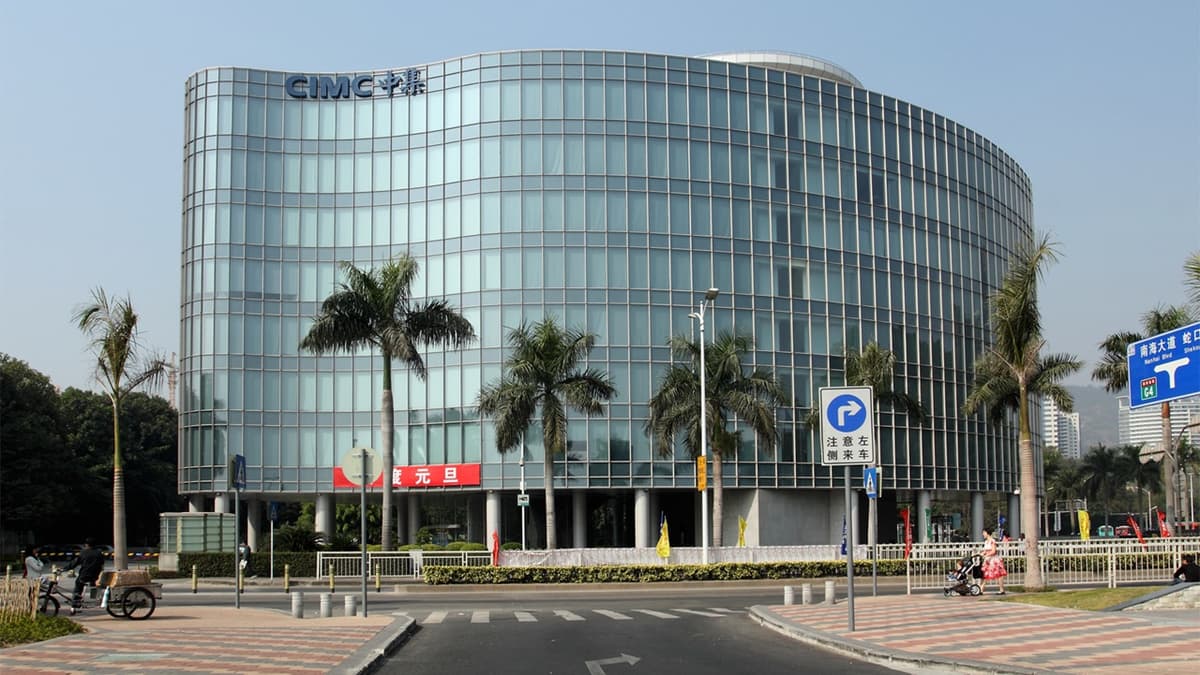
The indictment names four Chinese firms—CIMC, Singamas, Shanghai Universal Logistics Equipment, and CXIC Group—and seven senior executives, including Singamas CEO Teo Siong Seng. Prosecutors allege the cartel limited daily production shifts, installed video monitoring on assembly lines, and barred new factory construction, effectively halving global container supply. Under the Sherman Antitrust Act, individuals face up to ten years in prison and $1 million fines, while corporations can be fined $100 million or twice the illicit gains. The DOJ, FBI, and USPS Inspector General coordinated the investigation, signaling a robust federal response to cross‑border cartels.
The case could reshape the container market’s competitive dynamics. Private parties harmed by the price spikes now have a statutory right to pursue treble damages, opening the door to a wave of lawsuits from shippers, freight forwarders, and importers seeking redress for inflated costs. Industry players are likely to tighten compliance programs, audit communication channels such as WeChat, and diversify sourcing to mitigate antitrust risk. Observers expect the litigation to reinforce global supply‑chain resilience, as regulators demonstrate that even essential‑goods markets are not immune to antitrust enforcement.
US charges container manufacturing executives for price fixing
Comments
Want to join the conversation?
Loading comments...