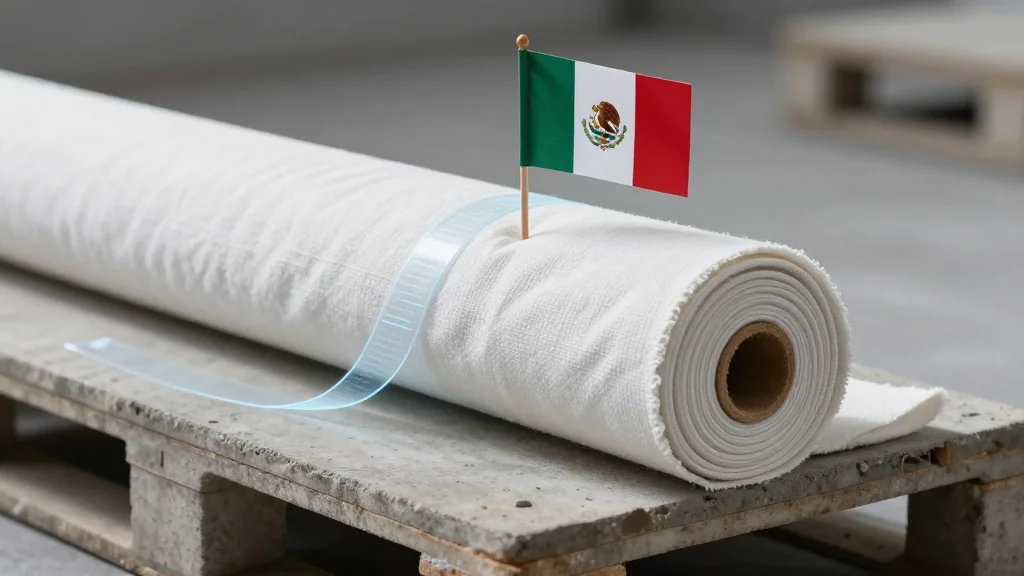
US Fashion Firms Accelerate Sourcing Shift as Supply Chains Falter
Why It Matters
Accelerated sourcing realignment reshapes cost structures and competitive dynamics in the U.S. apparel market, offering investors insight into firms that can sustain margins amid chronic supply‑chain turbulence.
Key Takeaways
- •U.S. apparel brands cut China share to 30% by 2027
- •Nearshoring to Mexico reduces lead times by 40%
- •Supply‑chain disruptions add $1.2 billion annual cost
- •Digital twins help firms model sourcing scenarios in real time
Pulse Analysis
The latest wave of supply‑chain turbulence—spurred by pandemic aftershocks, geopolitical tensions, and soaring freight rates—has forced U.S. fashion firms to rethink where they source fabrics and finished goods. Historically, China supplied roughly 70% of apparel inputs, but rising tariffs, port congestion, and unpredictable shipping windows have eroded that advantage. Companies are now evaluating a broader set of regions, weighing factors such as labor costs, trade agreements, and environmental standards to rebuild resilience.
Nearshoring to Mexico and Central America has emerged as the most immediate remedy, slashing transit times from weeks to days and cutting ocean freight expenses by up to 40%. Manufacturers are also investing in automation and advanced textile technologies to offset higher labor rates in these locales. Simultaneously, firms are leveraging digital twins and AI‑driven scenario planning to simulate supply‑chain configurations, enabling rapid decision‑making and reducing the 12‑18‑month realignment horizon that traditionally hampered strategic shifts.
For investors and industry watchers, the sourcing pivot signals a redistribution of profit margins and a potential reshaping of the competitive landscape. Brands that successfully integrate nearshored production while maintaining design agility can capture cost efficiencies and meet consumer demand for faster, more sustainable fashion cycles. Conversely, laggards risk margin compression and inventory shortages, underscoring the strategic imperative of supply‑chain innovation in the post‑pandemic era.
US fashion firms accelerate sourcing shift as supply chains falter
Comments
Want to join the conversation?
Loading comments...