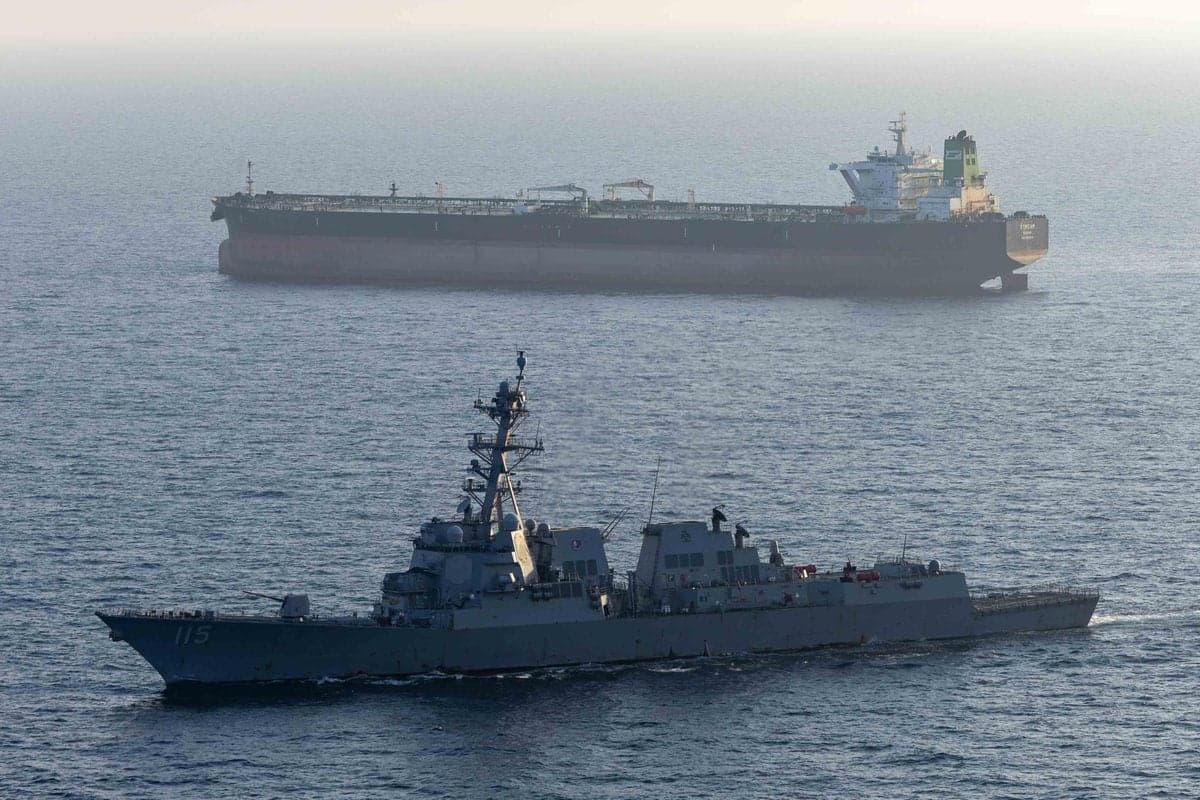
U.S. Forces Disable Sanctioned Shadow-Fleet Tanker Bound for Iran
Why It Matters
The disabling of M/T Marivex underscores the United States’ escalating maritime enforcement strategy, directly curbing Iran’s ability to move oil‑related cargoes and signaling heightened risk for commercial shipping in the region. It also adds pressure on Tehran ahead of ongoing diplomatic talks, potentially reshaping global oil supply dynamics.
Key Takeaways
- •U.S. disabled seventh sanctioned tanker since April blockade began
- •M/T Marivex hit by precision munition after ignoring U.S. orders
- •Seven vessels disabled, 134 redirected, 42 humanitarian ships allowed through
- •Enforcement expands beyond Gulf, reaching Indian Ocean and broader maritime routes
- •Shadow‑fleet interdictions pressure Iran’s oil export capacity and global shipping
Pulse Analysis
The United States has intensified its maritime interdiction campaign against Iran’s shadow‑fleet, a covert network of tankers that evade sanctions by shuffling oil and petroleum products across the Persian Gulf. Since the April 13 blockade, U.S. forces have moved from warning shots to kinetic strikes, employing precision munitions from carrier‑based aircraft to neutralize non‑compliant vessels. This approach reflects a broader shift in U.S. policy: leveraging naval power to enforce economic sanctions while signaling to regional actors that evasion will meet decisive action.
The recent disabling of the Palau‑flagged M/T Marivex illustrates the operational tempo of the campaign. After the crew failed to respond to multiple directives, a Super Hornet delivered a targeted strike to the ship’s engineering and steering compartments, rendering it inoperable without causing crew casualties. This incident, the seventh such interdiction, follows similar actions against tankers like M/T Lexie and MT Davina, expanding the enforcement footprint from the Gulf of Oman into the Indian Ocean. The cumulative effect—seven vessels disabled, over a hundred redirected, and humanitarian aid vessels permitted—demonstrates a calibrated balance between pressure on Iran and avoidance of broader commercial disruption.
For the global energy market, the blockade adds a layer of uncertainty to Iranian oil exports, already constrained by diplomatic negotiations and existing sanctions. Shipping companies now face heightened compliance costs and routing challenges, prompting calls for clearer transit protocols and de‑mining efforts to restore confidence. Meanwhile, Tehran must weigh the economic toll of reduced export capacity against the political cost of conceding to U.S. demands. As talks between Washington and Tehran progress, the maritime enforcement strategy will likely remain a pivotal lever influencing both regional stability and worldwide oil price volatility.
U.S. Forces Disable Sanctioned Shadow-Fleet Tanker Bound for Iran
Comments
Want to join the conversation?
Loading comments...