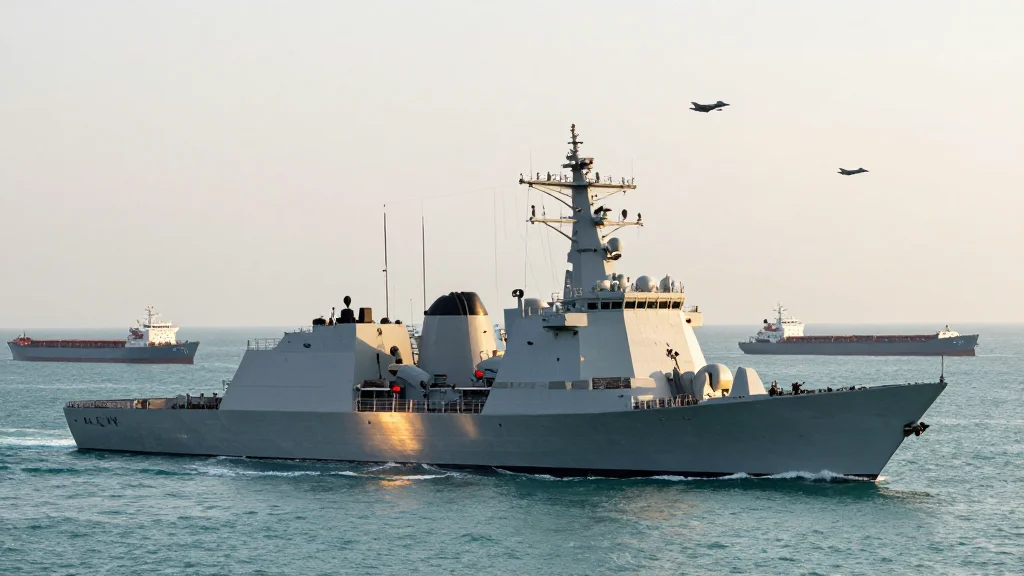
US Hormuz Plan Lights Fireworks on First Day
Why It Matters
Reopening Hormuz directly affects the world’s oil supply chain and tests U.S. ability to lead a multilateral security effort amid rising Iran‑U.S. tensions. The initiative also highlights divergent strategies among Western allies on how to secure critical maritime chokepoints.
Key Takeaways
- •Project Freedom deploys 15,000 personnel and 100 aircraft to protect Hormuz
- •Iran launched missiles and drones, claiming a new maritime control zone
- •France and UK pursue separate diplomatic effort, refusing U.S. forceful escort
- •Around 1,000 cargo ships face transit delays, risking global oil supply
- •U.S. helicopters sank six small boats targeting merchant vessels in the strait
Pulse Analysis
The Strait of Hormuz remains one of the world’s most vital oil conduits, funneling roughly 20% of global petroleum shipments. Trump’s "Project Freedom" represents the most visible U.S. military push to secure the waterway since the 2019 tensions with Iran, combining air, sea, and ground assets to provide real‑time navigation assistance and deterrence. By escorting the first American‑flagged vessels, the operation signals a willingness to use force if necessary, yet it also raises questions about the long‑term sustainability of a U.S.-led escort in a region where Iran can quickly project asymmetric threats.
Iran’s retaliatory missile and drone launches underscore the fragile ceasefire that followed recent strikes on Iranian targets. Tehran’s declaration of a "new maritime control area"—though ambiguous—suggests an intent to assert de‑facto authority over the strait, complicating commercial navigation and heightening insurance premiums for carriers. Meanwhile, European powers such as France and the United Kingdom are pursuing a parallel diplomatic track, emphasizing negotiation over kinetic action. Their reluctance to join a forceful U.S. mission reflects broader NATO concerns about escalation and the need to maintain a united front without provoking a wider conflict.
Beyond immediate security, the Hormuz initiative carries significant economic implications. With nearly 1,000 cargo ships and tankers operating in the Persian Gulf, any disruption can ripple through global energy markets, driving up crude prices and affecting downstream industries. The operation also tests the Biden‑Trump transition dynamics, as the U.S. balances domestic political pressures with the strategic imperative to keep oil flowing. In the longer term, the success or failure of "Project Freedom" could shape future multilateral frameworks for protecting other chokepoints, from the South China Sea to the Bab el‑Mandeb, and influence how allies coordinate maritime security in an era of heightened great‑power competition.
US Hormuz plan lights fireworks on first day
Comments
Want to join the conversation?
Loading comments...