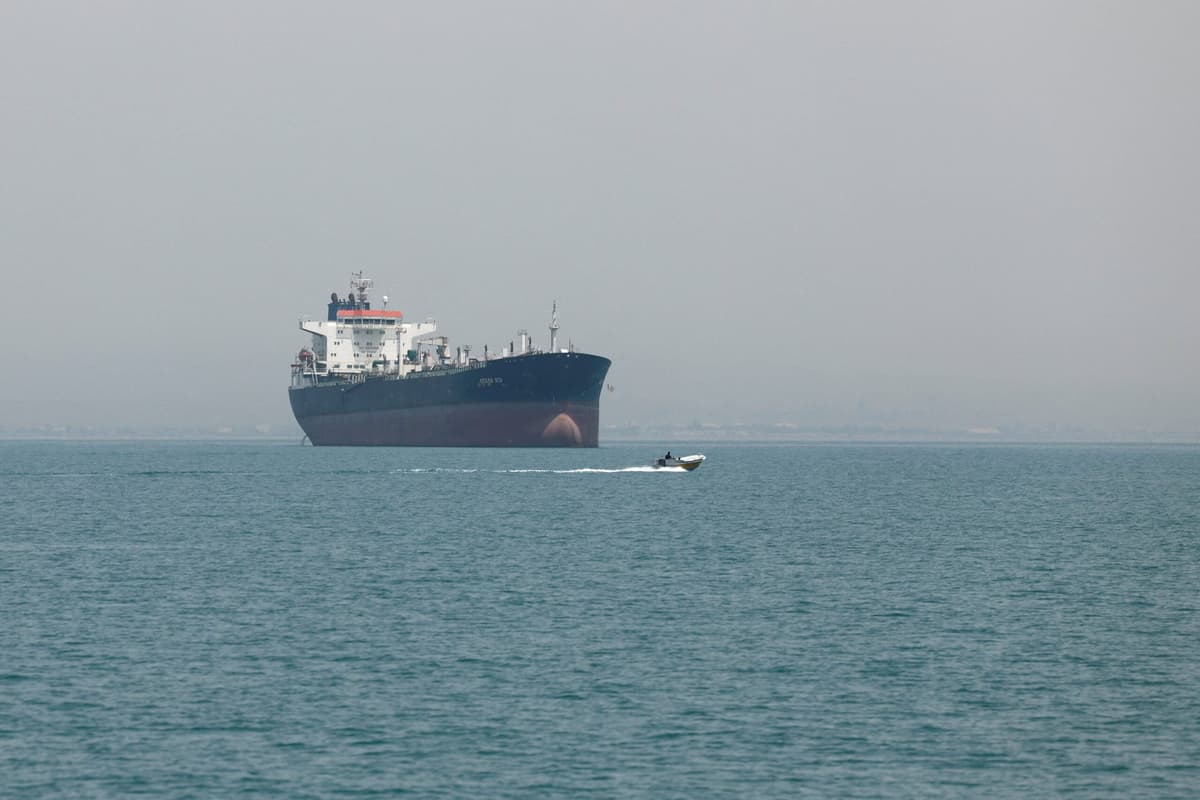
U.S. Military Says Hormuz Open After Iran Declares Strait Closed
Why It Matters
Control over Hormuz directly affects global energy flows and shipping costs, making the competing claims a flashpoint for geopolitical risk and market volatility.
Key Takeaways
- •CENTCOM confirms Strait of Hormuz remains open for commercial traffic
- •Iran‑linked PGSA claims closure, demanding transit permits and fees
- •U.S. Treasury sanctions PGSA, threatens asset recovery for any fees paid
- •Over 200 vessels moved 100 million barrels of oil via undisclosed U.S. operation
- •IMO warns safe passage not guaranteed; maritime security classified as critical
Pulse Analysis
The Strait of Hormuz, a narrow channel linking the Persian Gulf with the Gulf of Oman, handles roughly one‑fifth of the world’s oil and liquefied natural gas shipments. Since the April 8 cease‑fire that paused direct combat between the United States and Iran, commercial traffic has begun to rebound, yet the security environment remains classified as “critical” by U.S. maritime authorities. The latest clash of statements—CENTCOM’s assurance that the strait is open versus the Persian Gulf Strait Authority’s claim of closure—highlights the lingering power struggle over who can dictate transit rules in this chokepoint.
For shipowners, the conflicting messages translate into operational uncertainty and potential cost spikes. The U.S. Treasury’s May sanctions on PGSA warn that any fees paid to the Iranian‑aligned body could be seized from frozen Iranian assets, effectively deterring compliance with Tehran’s demand for transit permits. Meanwhile, the Trump administration has publicized a covert operation that escorted more than 200 commercial vessels, moving over 100 million barrels of oil, underscoring Washington’s willingness to project naval power to keep the waterway flowing. These dynamics can pressure freight rates and insurance premiums upward.
Looking ahead, the dispute is likely to become a bargaining chip in indirect U.S.–Iran talks, with Tehran seeking formal recognition of its authority over Hormuz in exchange for broader de‑escalation. Until a mutually accepted security framework emerges, the International Maritime Organization’s caution that “no safe passage currently exists” will keep risk‑averse carriers opting for longer routes around the Cape of Good Hope. Market participants should monitor diplomatic signals, sanction enforcement, and U.S. naval deployments to gauge the probability of renewed closures that could reverberate through global energy prices.
U.S. Military Says Hormuz Open After Iran Declares Strait Closed
Comments
Want to join the conversation?
Loading comments...