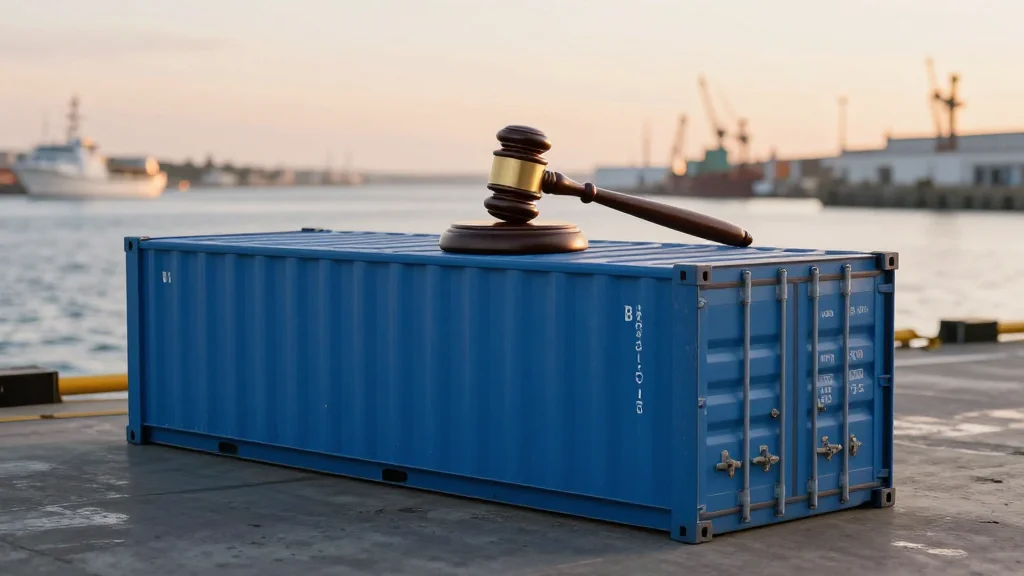
US Move Against Container Makers Is Latest Entry in Logistics Battle with China
Companies Mentioned
Why It Matters
The crackdown threatens to disrupt pricing and supply dynamics in the container market, reshaping trade costs and prompting a shift toward diversified, domestic production.
Key Takeaways
- •DOJ indicts four top container manufacturers and seven senior executives
- •Indictments follow earlier US actions on port fees, tariffs, and equipment bans
- •Deal to acquire Maersk’s refrigerated container unit halted after DOJ warning
- •Industry faces heightened scrutiny, potentially reshaping global supply‑chain dynamics
Pulse Analysis
The United States has escalated its strategic contest with China by targeting the backbone of maritime trade: ocean‑shipping containers. The Justice Department’s recent indictment of four of the world’s largest container producers and seven senior managers signals a shift from tariff‑based measures to direct legal action. Prosecutors allege coordinated price‑fixing and market‑allocation schemes that give Chinese firms an unfair advantage, echoing earlier disputes over port‑fee retaliation and bans on Chinese‑made handling equipment. This move underscores Washington’s intent to curb Beijing’s influence over critical supply‑chain assets.
The indictment reverberates through the container‑manufacturing sector, where a handful of Asian firms control more than 80 % of global capacity. By exposing alleged collusion, the DOJ threatens to disrupt long‑standing pricing formulas and could force companies to renegotiate contracts with major carriers such as Maersk and MSC. Investors may see short‑term volatility in earnings, while shippers could face higher lease rates as manufacturers reassess profit margins. At the same time, the crackdown may accelerate efforts to diversify production, prompting U.S. firms and allies to invest in domestic or near‑shore facilities.
Looking ahead, policymakers are likely to tighten export controls on advanced steel alloys and IoT sensors used in smart containers, further complicating cross‑border sourcing. Companies that can demonstrate compliance with antitrust standards and invest in transparent pricing may gain a competitive edge in a market that is becoming increasingly regulated. For investors, the episode highlights the importance of monitoring regulatory risk alongside traditional metrics such as order backlog and utilization rates. Ultimately, the DOJ’s action could reshape the global logistics landscape, nudging the industry toward more diversified and resilient supply chains.
US move against container makers is latest entry in logistics battle with China
Comments
Want to join the conversation?
Loading comments...