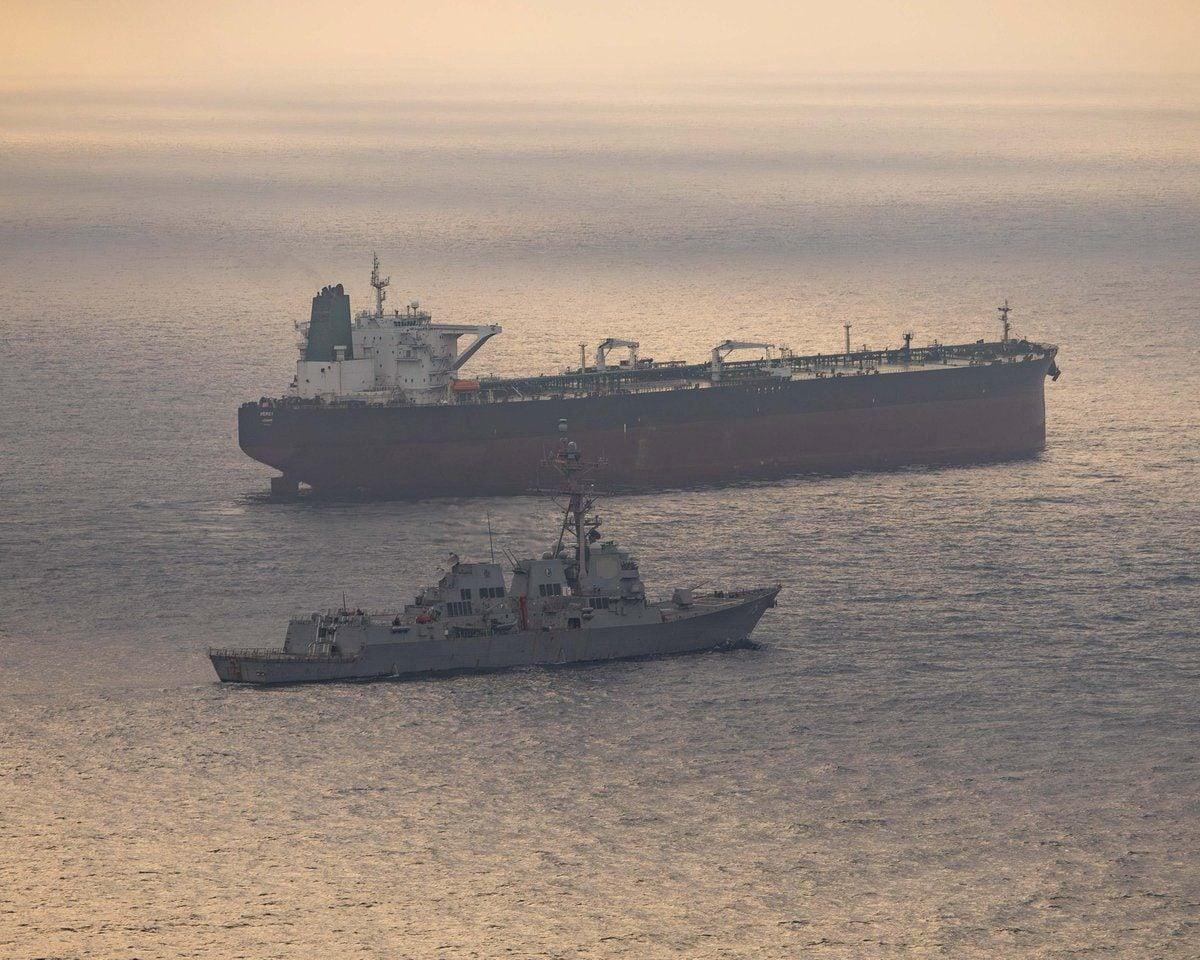
U.S. Officially Ends Maritime Blockade of Iran
Why It Matters
Lifting the blockade removes the biggest obstacle to oil and cargo flow through a chokepoint that handles about 20% of global petroleum, potentially stabilizing energy markets. Ongoing mine‑clearance and rerouted traffic, however, mean shipping costs and transit times will stay elevated.
Key Takeaways
- •U.S. ends Iran blockade; Strait of Hormuz declared open.
- •Threat level reduced to moderate, but mines still present.
- •Southern Omani route now primary for commercial vessels.
- •142 ships redirected, nine disabled before blockade lift.
- •U.S. naval presence remains to enforce agreement compliance.
Pulse Analysis
The Strait of Hormuz has long been a geopolitical flashpoint, channeling roughly one‑fifth of the world’s oil supply. The U.S. blockade, imposed earlier this year amid heightened tensions with Tehran, forced commercial vessels onto a makeshift Deep South Route hugging Omani waters. By formally ending the blockade, Washington signals a shift from direct confrontation to diplomatic management, aligning with the recent memorandum of understanding that aims to de‑escalate the maritime standoff.
For shippers, the immediate benefit is the removal of outright interdiction, but the advisory’s caution about lingering mines underscores a lingering risk premium. Mine‑clearance operations continue in the historic traffic lane, prompting insurers to maintain elevated war‑risk premiums and operators to favor the verified Omani corridor. The rerouting adds distance and fuel consumption, potentially inflating freight rates by several percentage points until the traditional channel is fully cleared and confidence returns.
Strategically, the decision reflects a broader U.S. recalibration in the Middle East, balancing deterrence with economic stability. Maintaining a naval presence ensures compliance with the agreement while providing a rapid response capability should violations occur. Analysts expect the Hormuz reopening to ease short‑term oil price volatility, yet the region’s underlying political frictions mean that any resurgence of hostilities could quickly re‑impose constraints on this vital waterway. Stakeholders should monitor diplomatic talks, mine‑clearance progress, and NAVCENT advisories for evolving risk assessments.
U.S. Officially Ends Maritime Blockade of Iran
Comments
Want to join the conversation?
Loading comments...