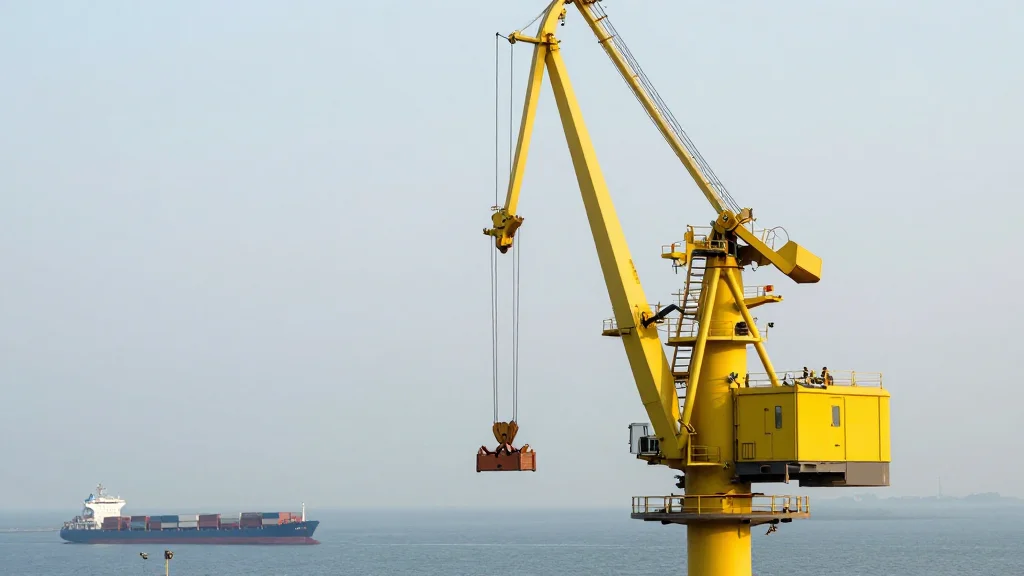
US Ports Outline Spending Goals in Push to Reshore Crane Making
Why It Matters
The funding gap and tariff uncertainty could delay critical infrastructure upgrades, raising shipping costs and eroding U.S. competitiveness in global trade. Domestic crane production also faces a pivotal test that will affect job creation and supply‑chain resilience.
Key Takeaways
- •US ports need over 100 new ship‑to‑shore cranes by 2031
- •Projected crane and handling equipment spending totals $6.7 billion
- •Tariff ambiguity on Chinese cranes hampers reshoring plans
- •Trump rollback removed penalties but left tariff clarity unresolved
- •NAWE survey of 25 executives highlights urgent equipment upgrade needs
Pulse Analysis
The United States’ maritime gateway is confronting a looming equipment shortfall as the current fleet of ship‑to‑shore (STS) cranes ages beyond its design life. NAWE’s recent survey indicates that more than 100 new cranes will be required to replace deteriorating units and to accommodate growing container volumes. At an estimated $6.7 billion in capital outlays, ports must secure financing while balancing the need for operational continuity, a challenge that could reverberate through import‑export pricing and terminal throughput.
Policy dynamics add a layer of complexity to the procurement equation. Earlier this year, the Trump administration lifted punitive duties on Chinese‑origin cranes, aiming to ease cost pressures for terminal operators. Yet, the administration stopped short of defining the new tariff schedule, leaving ports uncertain about future import costs. This regulatory gray zone discourages investment in domestic manufacturing, as firms hesitate to commit resources without a clear competitive landscape. The lack of a stable tariff framework undermines the broader reshoring agenda that seeks to bring crane production back to U.S. soil.
For the logistics ecosystem, the stakes are high. Delayed crane replacements can bottleneck vessel turnaround times, inflating demurrage fees and disrupting supply‑chain schedules. Moreover, a stalled reshoring effort means the United States misses an opportunity to develop a strategic industrial base, potentially ceding technological advantage to overseas competitors. Stakeholders—from port authorities to equipment vendors—must navigate financing, policy, and operational pressures simultaneously to ensure that the nation’s ports remain efficient, resilient, and competitive on the global stage.
US ports outline spending goals in push to reshore crane making
Comments
Want to join the conversation?
Loading comments...