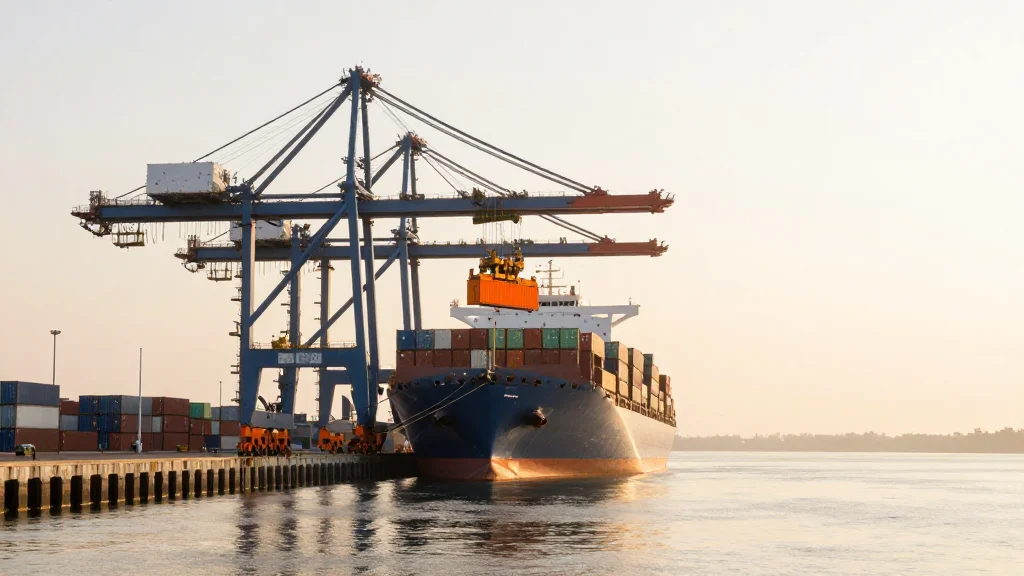
U.S. Seaport Activity Stabilizes at Elevated Levels, States New Report From Colliers
Why It Matters
Stable, high‑volume seaport activity underpins demand for industrial real estate near ports, boosting rent growth and investor returns. The trend also diversifies supply chains, reducing reliance on West Coast gateways.
Key Takeaways
- •U.S. seaport volumes stabilize at historically high levels
- •East and Gulf ports gaining share via population proximity
- •Aggressive infrastructure investments boost berth capacity and rail connectivity
- •Industrial vacancy rates stabilizing as new supply slows
- •Geopolitical tensions may cause short‑term leasing volatility
Pulse Analysis
The latest Colliers outlook signals a shift from pandemic‑driven turbulence to a more predictable trade environment for U.S. seaports. Container traffic at major gateways now sits at levels not seen in decades, reflecting resilient consumer demand and a broader rebalancing of global sourcing. East and Gulf Coast terminals are benefitting from demographic trends, with Sunbelt growth and dense population clusters feeding higher import volumes. This geographic reallocation eases pressure on traditional West Coast choke points and offers shippers diversified entry points.
Infrastructure investment is the engine driving this stability. Port authorities and private operators are pouring capital into berth expansions, channel deepening, and on‑dock rail enhancements, enabling larger vessels and faster inland distribution. For industrial landlords, these upgrades translate into higher throughput, reduced dwell times, and a broader tenant pool that includes 3PLs, retailers, and manufacturers. Concurrently, vacancy rates across industrial markets are plateauing as new construction hits its lowest quarterly pace since 2017, setting the stage for sustained rent growth in port‑proximate submarkets.
Geopolitical uncertainty, particularly the ongoing Iran conflict and potential disruptions in the Strait of Hormuz, adds a layer of short‑term risk. While cost volatility and shifting trade lanes could momentarily affect leasing activity, the underlying fundamentals—robust cargo flows, strategic supply‑chain diversification, and continued infrastructure upgrades—remain positive. Investors focused on logistics real estate should therefore prioritize assets near East and Gulf Coast ports, where long‑term demand and resilience are most pronounced.
U.S. seaport activity stabilizes at elevated levels, states new report from Colliers
Comments
Want to join the conversation?
Loading comments...