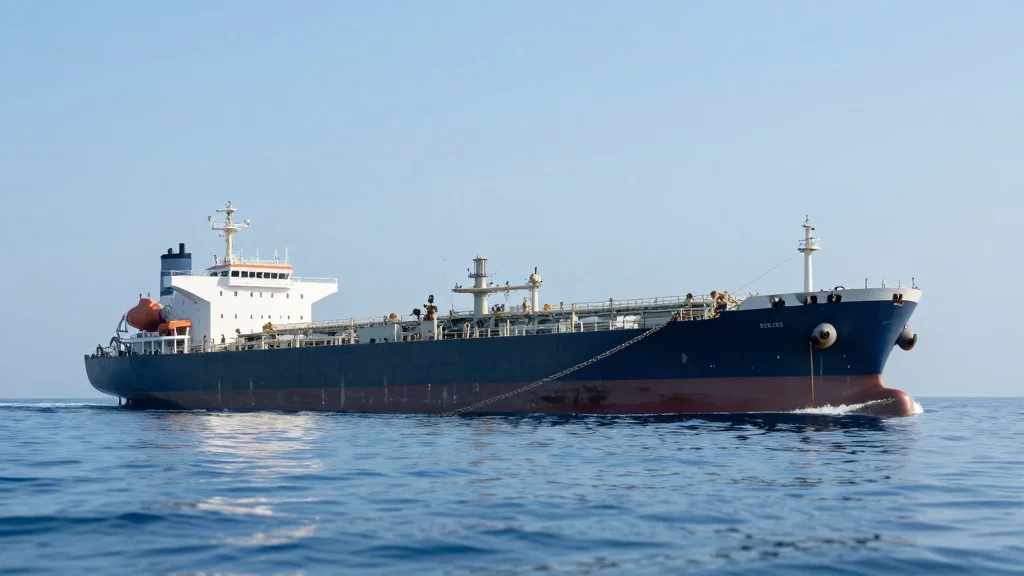
US Seeks to Take Ownership of Two Seized Iranian VLCCs
Why It Matters
The forfeiture could generate significant revenue for the U.S. Treasury and signal a tougher stance on Iran’s oil logistics, affecting global shipping markets and sanctions compliance.
Key Takeaways
- •US DOJ moves to forfeit two seized Iranian VLCCs
- •Vessels: 281,500‑dwt Phonix (2001) and 300,000‑dwt Tifani (2003)
- •Ownership of both tankers remains undisclosed
- •Seizure part of US blockade of Iranian ports
- •Potential revenue boost for US Treasury from forfeiture
Pulse Analysis
The United States has intensified its maritime enforcement strategy against Iran, leveraging legal mechanisms to seize assets that support Tehran’s oil export capacity. Very Large Crude Carriers (VLCCs) like the Phonix and Tifani are critical for moving bulk petroleum, and their capture disrupts a key logistical node in Iran’s supply chain. By targeting vessels whose ownership is opaque, the administration underscores its commitment to a comprehensive sanctions regime that extends beyond traditional financial channels.
The Department of Justice’s forfeiture process involves filing civil complaints that assert the vessels were used to facilitate prohibited transactions. Once a court issues a forfeiture order, the government can take title to the ships, auction them, or repurpose them for other uses. This legal pathway not only sidesteps the complexities of proving criminal intent but also creates a revenue stream for the Treasury. For shipowners and charterers, the move raises compliance alarms, prompting tighter due‑diligence protocols and heightened scrutiny of vessel registries to avoid inadvertent entanglement in sanctions violations.
Geopolitically, the action sends a clear message to both Iran and the broader maritime community that the U.S. will employ all available tools to curtail illicit oil flows. Market participants are likely to reassess risk premiums on Iranian‑linked cargoes, potentially tightening freight rates for alternative routes. Moreover, the precedent of seizing high‑value tankers may encourage allied nations to adopt similar measures, amplifying pressure on Iran’s export capabilities and reshaping the dynamics of global oil logistics.
US seeks to take ownership of two seized Iranian VLCCs
Comments
Want to join the conversation?
Loading comments...