U.S. Targets Major Chinese Refinery and Ships in Escalating Crackdown on Iran’s Oil Trade
Why It Matters
By hitting a key Chinese refinery, the U.S. seeks to choke demand for Iranian oil, potentially reducing Tehran’s revenue and reshaping global crude flows. The broader crackdown raises compliance risk for international traders and could shift market dynamics in Asia.
Key Takeaways
- •Hengli Refinery, China's second‑largest independent, sanctioned for buying Iranian crude
- •OFAC added 19 tankers and 18 shipping firms to the blacklist
- •Sanctions target buyers, moving pressure up the oil supply chain
- •U.S. combines financial sanctions with naval interdictions to disrupt Iran trade
- •Over 1,000 Iran‑related entities sanctioned since February 2025
Pulse Analysis
The United States has intensified its ‘Economic Fury’ campaign against Iran by expanding the scope of sanctions beyond the traditional focus on tankers and ship managers. Until now, Treasury’s Office of Foreign Assets Control (OFAC) primarily targeted the shadow fleet that physically moves Iranian crude to market. The latest package, announced on Friday, adds a new dimension: it sanctions a major overseas buyer, Hengli Petrochemical (Dalian) Refinery, which is China’s second‑largest independent refinery and a prolific purchaser of Tehran‑sourced oil. By striking at the demand side, Washington hopes to erode the revenue stream that fuels Iran’s nuclear and regional activities.
The designation of Hengli sends a clear signal to Chinese refiners and other Asian processors that U.S. authorities will hold buyers accountable for sourcing sanctioned Iranian petroleum. If Chinese firms curtail purchases, Tehran could lose a critical outlet for its crude, forcing it to seek higher‑priced markets in Europe or the Indian subcontinent. At the same time, the blacklist of 19 tankers and 18 shipping entities raises compliance costs for global traders, who must now vet vessel ownership, flag states, and charter agreements more rigorously. Market participants are likely to reassess risk premiums on cargoes linked to Iran, potentially tightening spreads in the spot market.
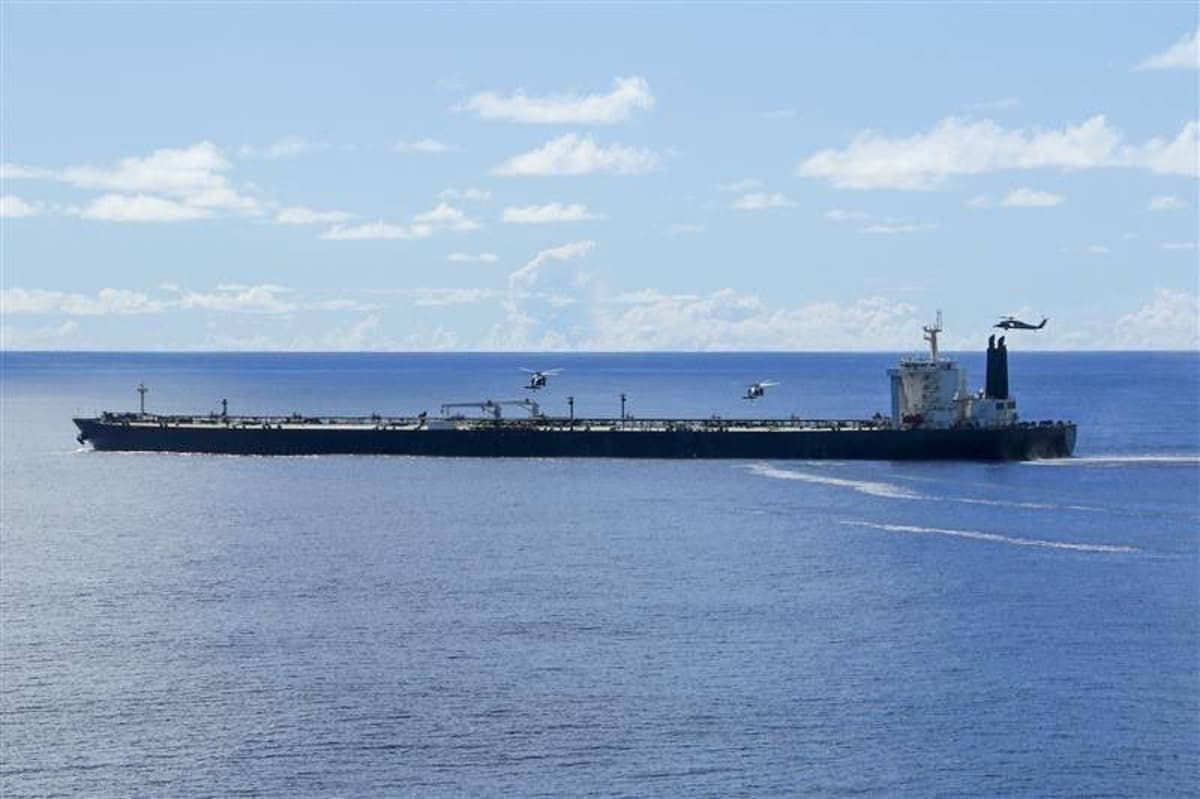
Beyond financial tools, the United States has stepped up naval enforcement, turning back or seizing vessels suspected of carrying Iranian oil. The dual approach—sanctions paired with physical interdiction—aims to make the cost of illicit shipments prohibitive and to pressure Tehran back to the negotiating table over its nuclear program. However, Iran’s shadow‑fleet operators have historically adapted by using opaque ownership structures and flagging ships in jurisdictions such as the Marshall Islands or Panama. Analysts warn that while the new measures may disrupt some flows, they could also push trade deeper into clandestine networks, creating volatility for global oil prices.
U.S. Targets Major Chinese Refinery and Ships in Escalating Crackdown on Iran’s Oil Trade
Comments
Want to join the conversation?
Loading comments...