US‑China Tensions, EU Emergency Powers and TSMC Drive Semiconductor Supply‑Chain Turmoil

Companies Mentioned
Why It Matters
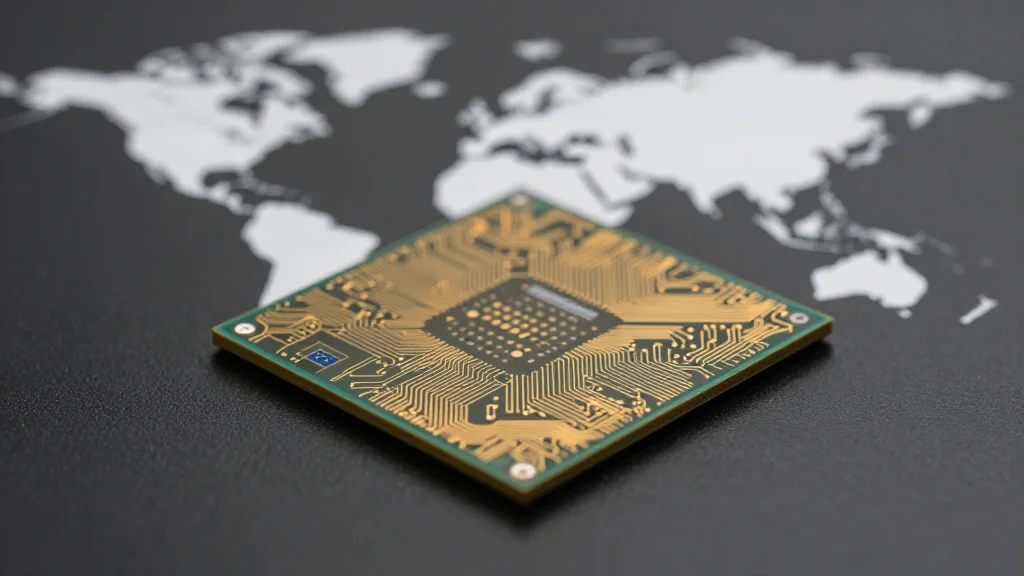
The semiconductor supply chain underpins everything from AI breakthroughs to national defence. U.S. actions against TSMC threaten the flow of advanced processors that power critical systems, while the EU’s emergency powers could set a precedent for state‑driven intervention in high‑tech markets. Together, these moves could force the industry to diversify away from a single island and a handful of equipment suppliers, reshaping investment flows, R&D priorities and geopolitical alliances. If the EU’s law is enacted, European chipmakers may receive preferential treatment, potentially accelerating the bloc’s long‑term goal of doubling its global market share by 2030. Conversely, heightened U.S. scrutiny could push TSMC to accelerate its U.S. fab build‑out, altering the geographic balance of semiconductor manufacturing and influencing supply‑chain risk assessments for multinational corporations.
Key Takeaways
- •U.S. ITC reviews TSMC’s alleged refusal to license U.S. patents, prompting a congressional warning about AI and defence impacts.
- •EU draft emergency law would let the Commission force chipmakers to prioritize crisis‑critical orders and fine non‑compliant firms up to €300,000 ($326,000).
- •TSMC reported Q1 2026 revenue of $35.9 billion, up 35‑40% YoY, driven by AI‑related demand.
- •Samsung’s HBM chip sales are tripling, highlighting the broader AI‑driven chip boom.
- •Europe depends on Taiwan for over 90% of leading‑edge chips, making the region vulnerable to Taiwan Strait disruptions.
Pulse Analysis
The current geopolitical squeeze on semiconductors is less about a single flashpoint and more about a systemic rebalancing of power. Historically, the industry has thrived on a division of labour: Taiwan’s fabs, Dutch lithography tools, and U.S. design talent. The U.S. ITC complaint against TSMC signals a shift from passive reliance to active enforcement of intellectual‑property rights, a move that could deter foreign firms from deepening ties with American designers unless clear licensing pathways are established. At the same time, the EU’s emergency‑powers draft reflects a growing appetite for sovereign control over strategic inputs, echoing pandemic‑era vaccine procurement models.
From a market perspective, the dual pressure could accelerate the already‑underway diversification of fab capacity. TSMC’s $100 billion Arizona investment, while politically palatable, may not offset the strategic risk of concentrating advanced nodes on a single island. Investors are likely to reward firms that can demonstrate multi‑regional supply‑chain resilience, which explains Samsung’s recent rally as it leverages its broader product mix and domestic manufacturing base.
Looking ahead, the real test will be whether policy interventions can coexist with the rapid pace of AI‑driven demand. If the EU’s law is enacted and the U.S. ITC proceeds with enforcement, chip designers may be forced to redesign supply chains, potentially spurring a new wave of on‑shoring and regional partnerships. This could dilute the current concentration of advanced‑node capacity, but it also risks fragmenting standards and inflating costs. The next six months will reveal whether governments can steer the industry toward a more distributed model without choking the very innovation that fuels the AI boom.
US‑China Tensions, EU Emergency Powers and TSMC Drive Semiconductor Supply‑Chain Turmoil
Comments
Want to join the conversation?
Loading comments...