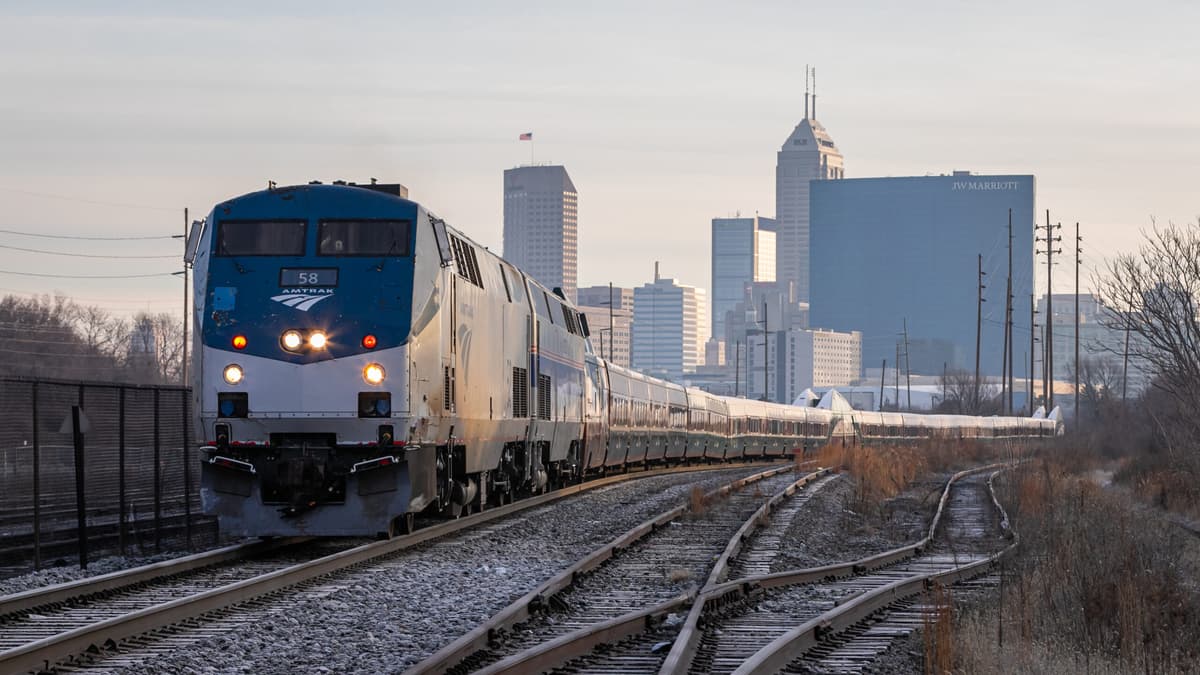
USDOT’s Proposed Amtrak Restructuring Plan Draws Scrutiny
•February 24, 2026
0
Why It Matters
The restructuring could reshape funding and governance of the nation’s passenger rail, influencing service reliability and future investment.
Key Takeaways
- •USDOT proposes Amtrak holding company with three subsidiaries.
- •Rail Passengers fear funding cuts could raise fares.
- •Labor unions worry about work rule changes.
- •International examples show mixed outcomes for rail breakups.
Pulse Analysis
Amtrak has long operated under a single corporate charter, balancing a national network with chronic underfunding and aging assets. In recent years, the Federal Railroad Administration has floated a holding‑company structure that would split the enterprise into distinct entities for infrastructure, rolling stock, and operations. Proponents argue that such segmentation can isolate capital‑intensive projects, streamline procurement, and create clearer performance metrics, thereby attracting more efficient management practices. Yet the concept arrives at a time when Congress is debating multi‑year funding levels, making the financial backdrop a critical factor in any redesign.
The three‑entity model mirrors reforms seen in Europe and Asia, where infrastructure managers and train operators are legally separate. In Britain, the 1990s breakup led to fragmented accountability and rising costs, while Japan’s post‑privatization structure boosted service quality but required massive government debt absorption. For Amtrak, separating track ownership from train service could improve asset management and enable state partners to pool equipment, yet it also risks eroding cross‑subsidies that keep long‑distance and rural routes viable. The success of such a split hinges on transparent governance and stable revenue streams.
Stakeholders—from passenger advocates to the Brotherhood of Locomotive Engineers—are demanding clear assurances that any restructuring will preserve Amtrak’s public‑service mandate. Without guaranteed federal appropriations, the operating subsidiary could face higher access charges, prompting fare hikes and service cuts. Policymakers therefore must align the holding‑company proposal with upcoming surface‑transport legislation, ensuring congressional oversight and coordinated state planning. If executed with firm funding commitments, the model could accelerate fleet renewal and expand routes; otherwise, it may accelerate a drift toward privatized profits and reduced national connectivity.
USDOT’s Proposed Amtrak Restructuring Plan Draws Scrutiny
0
Comments
Want to join the conversation?
Loading comments...