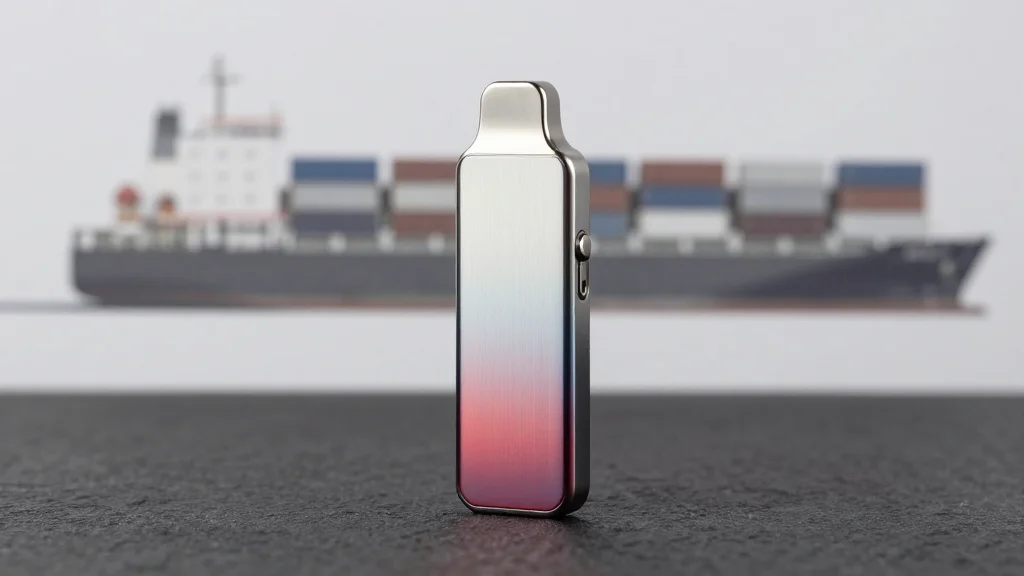
Vape Makers Turn to 'Made in America' Credentials Amid Trump's Tariffs, Crackdown
Why It Matters
The shift underscores how trade policy and regulatory pressure can reshape marketing strategies in a multi‑billion‑dollar industry, potentially altering supply chains and competitive dynamics. It also signals heightened risk for regulators and investors as illegal products seek legitimacy through patriotic branding.
Key Takeaways
- •Eight new brands tout U.S. origin despite lacking FDA approval
- •Unlicensed vapes represent roughly 70% of U.S. sales
- •Trump tariffs and enforcement push firms toward domestic marketing claims
- •Chinese export shipments to the U.S. stayed above $4 billion in 2025
- •BAT estimates U.S. vape market worth $12 billion in 2024
Pulse Analysis
The U.S. vaping market, long dominated by inexpensive Chinese imports, is feeling the ripple effects of President Trump's aggressive trade stance. By imposing steep tariffs on Chinese electronics and intensifying customs inspections, the administration has created a cost and compliance gap that savvy manufacturers are trying to fill with "Made in America" branding. Even when production remains offshore, the patriotic label can deflect regulatory attention and resonate with consumers wary of foreign‑made products, reshaping the competitive landscape without a wholesale shift in manufacturing.
Regulatory scrutiny adds another layer of complexity. The FDA has approved only 41 vape devices, while an estimated 70% of sales stem from unlicensed products. Recent crackdowns, led by Health Secretary Robert F. Kennedy Jr., target Chinese‑origin devices as unsafe and illegal. Companies like Charlie’s Holdings are opening U.S. assembly lines for e‑liquids to sidestep tariffs and demonstrate compliance, yet many new brands still rely on foreign supply chains. This regulatory gray zone forces firms to balance the cost of domestic production against the risk of seizure and fines.
For major tobacco players such as British American Tobacco, the trend presents both a threat and an opportunity. While BAT’s own market share has slipped amid the influx of unlicensed alternatives, the patriotic branding wave could be leveraged to differentiate legitimate products and regain consumer trust. However, the persistence of $4 billion in Chinese vape shipments in 2025 suggests that the underlying supply chain remains robust. Investors and policymakers will watch whether domestic manufacturing gains traction or remains a marketing veneer, shaping the future of a $12 billion industry.
Vape makers turn to 'Made in America' credentials amid Trump's tariffs, crackdown
Comments
Want to join the conversation?
Loading comments...