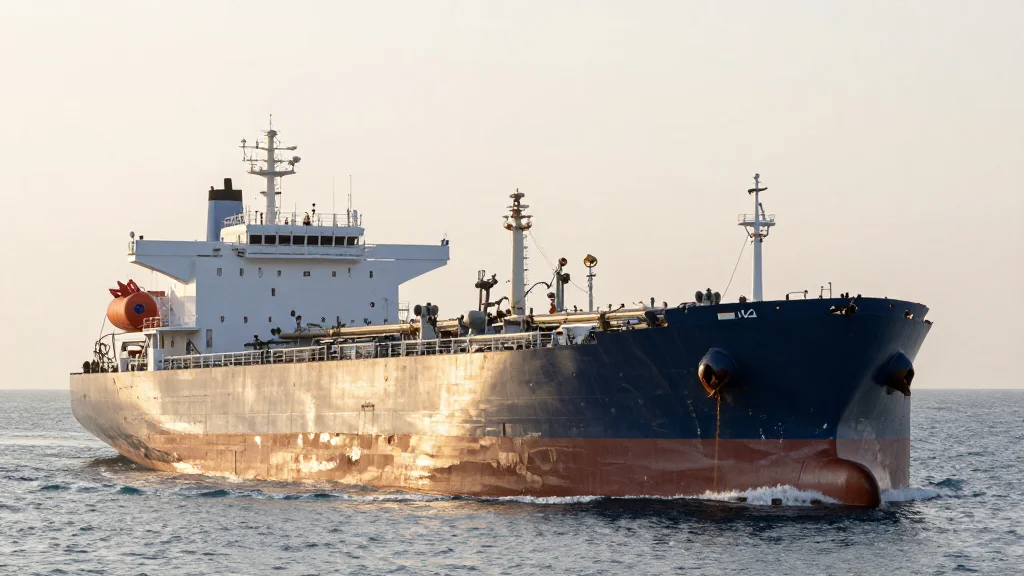
Venezuela and India Cosy up as Mainstream Tankers Step Into the Breach
Why It Matters
The partnership offers Venezuela a lifeline for its sanctioned oil exports while giving India a more diversified supply source, reshaping regional energy dynamics and tanker market demand.
Key Takeaways
- •CMB.Tech VLCC transports largest Venezuela‑India cargo of 2026
- •Delcy Rodriguez's four‑day India visit includes Mumbai energy meetings
- •India seeks diversified supply amid Middle East volatility
- •Mainstream tankers fill gap left by sanctions‑hit carriers
Pulse Analysis
Venezuela’s oil sector has been crippled by U.S. sanctions and a collapsing domestic infrastructure, forcing the country to hunt for new buyers beyond its traditional partners. India, the world’s third‑largest oil importer, has been actively diversifying its supply chain to reduce reliance on Middle Eastern crudes, especially as geopolitical flashpoints threaten price stability. The recent diplomatic overture by interim President Delcy Rodriguez, including high‑level talks in New Delhi and Mumbai, reflects a strategic pivot toward South‑South cooperation, offering Venezuela a conduit to export its remaining production and India a reliable, discounted source of crude.
The logistics of this emerging trade are reshaping the global tanker market. With mainstream carriers stepping into the breach left by sanctioned vessels, a CMB.Tech Very Large Crude Carrier (VLCC) has already moved the year’s biggest cargo between the two nations. This shift not only lifts freight rates for compliant operators but also signals a broader reallocation of shipping capacity toward routes previously deemed high‑risk. Tanker owners are recalibrating itineraries, and brokers report heightened demand for vessels that can navigate the complex compliance landscape while maintaining efficient turnaround times.
Beyond immediate commercial gains, the Venezuela‑India energy link carries geopolitical weight. By forging a resilient supply chain, both countries can mitigate the impact of external pressure, potentially encouraging other sanctioned producers to explore similar partnerships. For the broader market, this development could introduce a modest but steady flow of Venezuelan crude into Asian benchmarks, subtly influencing price differentials and refining margins. Analysts will watch how quickly the partnership scales and whether it prompts a re‑assessment of sanction‑evading logistics across the oil trade.
Venezuela and India cosy up as mainstream tankers step into the breach
Comments
Want to join the conversation?
Loading comments...