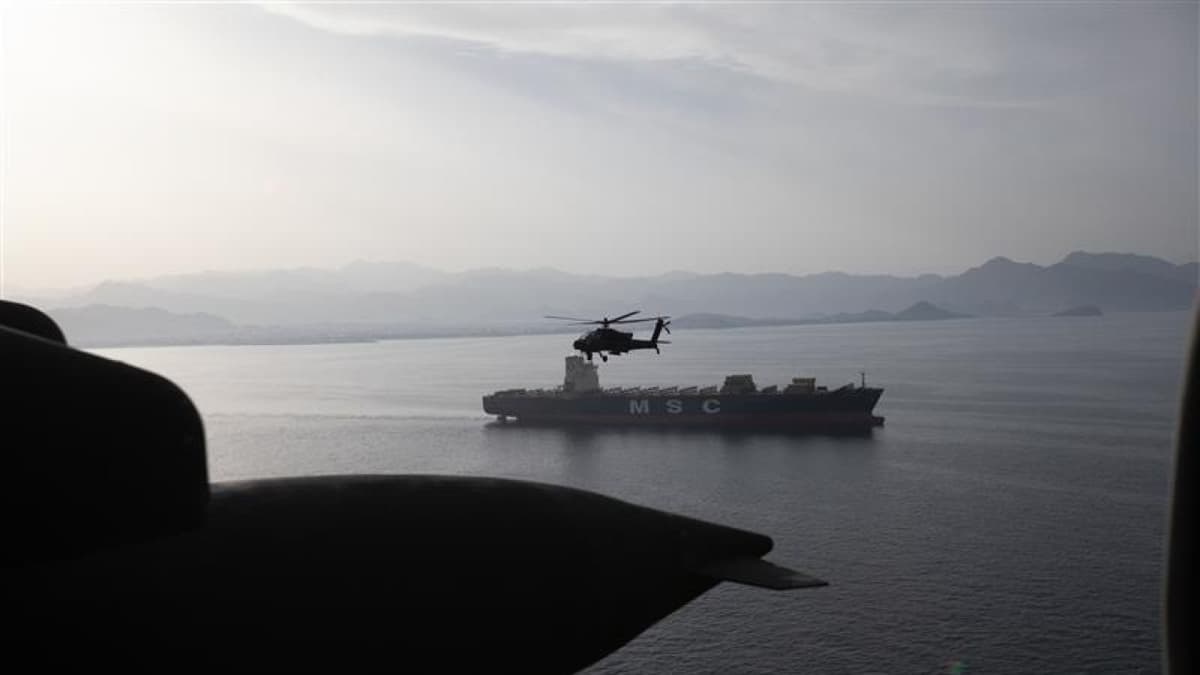
Volatile ME Peace Negotiations Leave Shipping in Limbo
Why It Matters
The prolonged disruption of Hormuz jeopardizes global supply chains, inflating shipping costs and extending transit times for critical trade lanes. Persistent price spikes and capacity imbalances could pressure manufacturers and consumers worldwide.
Key Takeaways
- •Iran rejects further US peace talks, keeping Strait of Hormuz uncertain
- •Bimco advises shippers to avoid Hormuz due to unclear mine threat
- •Spot rates rise 20‑50% on Asia‑US routes since late February
- •Capacity shifts show slight declines on Europe‑US lanes, up on Asia‑US West
- •IFO380 fuel costs double on US West Coast, up $1,000 per tonne
Pulse Analysis
The stalemate in US‑Iran peace negotiations has turned the Strait of Hormuz into a high‑risk corridor for commercial vessels. Tehran’s refusal to re‑engage, citing what it calls an unlawful US blockade, has left maritime authorities without a clear framework for de‑mining or safe passage. Bimco’s chief safety officer, Jakob Larsen, warned that the lack of verified mine clearance makes the traffic separation scheme effectively a danger zone, prompting many operators to reroute or pause shipments. This cautionary stance underscores how political deadlock quickly translates into operational uncertainty for global shippers.
Freight intelligence from Xeneta paints a stark picture of market distortion. Since the conflict’s escalation at the end of February, spot rates on Asia‑to‑US west‑coast lanes have surged more than 50%, while rates to Europe have slipped modestly, reflecting a shift in cargo flows toward higher‑value, time‑sensitive shipments. Capacity data reveal a 2.3% dip on Asia‑to‑US west routes and a 9% contraction on Europe‑to‑US lanes, suggesting carriers are trimming space where demand weakens. The divergence signals that the disruption is far from resolved, with pricing still at crisis‑level levels.
The fuel price shock compounds the logistical strain. IFO380 on the US West Coast now trades around $1,000 per tonne—roughly double the pre‑war price—while other regions see only modest increases. Higher bunker costs erode profit margins and force carriers to pass expenses onto shippers, further inflating freight bills. Until a durable diplomatic solution restores safe passage through Hormuz, the industry can expect continued volatility, prompting firms to diversify routes, hedge fuel exposure, and reassess inventory strategies.
Volatile ME peace negotiations leave shipping in limbo
Comments
Want to join the conversation?
Loading comments...