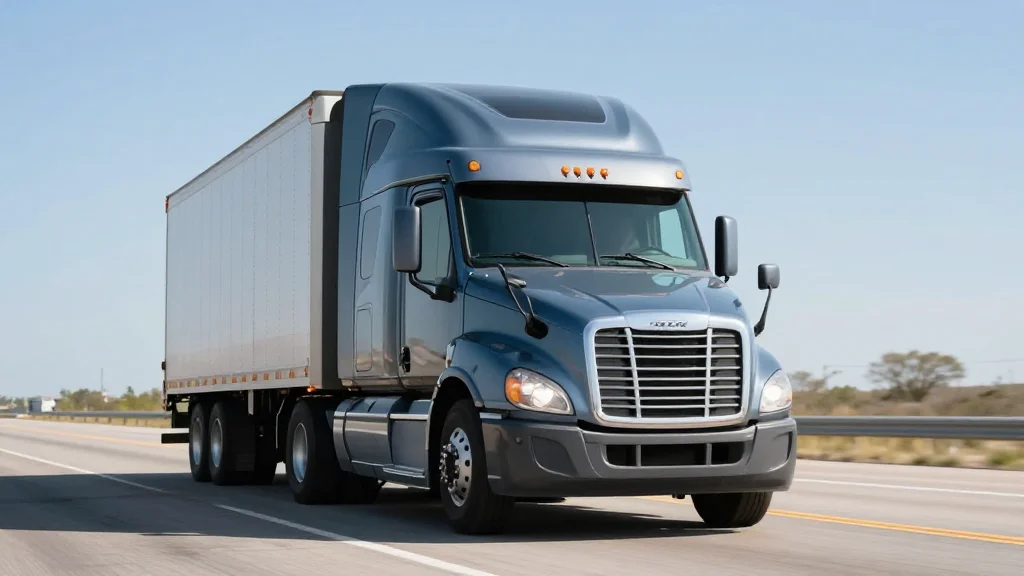
Volvo Autonomous Solutions to Remove Safety Drivers in Q1 2027
Companies Mentioned
Why It Matters
The shift to driverless trucks could double asset utilization, cutting operating costs and reshaping freight logistics. Achieving commercial scale positions Volvo as a leader in autonomous freight, influencing industry standards and investment.
Key Takeaways
- •Volvo Autonomous Solutions will run driverless trucks in Texas Q1 2027.
- •Fleet to exceed 300 autonomous trucks by end of 2027.
- •Driverless ops expected to double asset utilization.
- •Revenue from autonomous business projected near $3 billion in five years.
- •Expansion targets include Phoenix, Atlanta, San Antonio, Laredo, California.
Pulse Analysis
Autonomous trucking has moved from pilot projects to imminent commercial rollouts, and Volvo Autonomous Solutions is at the forefront of that transition. At its recent Capital Markets Day, the Swedish manufacturer disclosed a concrete timeline: fully driverless trucks will hit U.S. highways in Q1 2027, beginning with a Texas corridor that already hosts safety‑driver‑assisted runs. The partnership with Aurora Innovation, which supplied the Aurora Driver for the VNL Autonomous platform, provides the software backbone for the upcoming milestone. By eliminating the safety driver, Volvo expects to accelerate its path to a fleet of more than 300 driverless rigs by year‑end 2027.
The operational upside of removing human drivers is most evident in asset utilization. Volvo claims driverless trucks can operate around the clock, effectively doubling the mileage per vehicle compared with traditional fleets constrained by hours‑of‑service regulations. To realize those gains, the company has built an uptime network through its dealer base, ensuring rapid maintenance and high availability across key lanes. Recent expansions, such as the Dallas‑to‑Oklahoma City route that delivers freight directly into customer facilities, illustrate how autonomous technology can eliminate drayage and streamline supply chains. Customers are being urged to engage early to shape network growth.
Financially, Volvo projects the autonomous business to generate close to $3 billion in revenue within five years, a figure that would make it a significant profit center for the Group. The aggressive scaling plan—targeting additional hubs in Phoenix, Atlanta, San Antonio, Laredo, and a newly permissive California market—positions Volvo to capture a sizable share of the emerging driverless freight market. Competitors such as TuSimple and Waymo are also racing toward commercial deployment, but Volvo’s combination of heavy‑duty chassis expertise and Aurora’s software may give it a competitive edge. Regulators are gradually opening corridors, suggesting that the 2027 milestone could herald broader policy acceptance and industry transformation.
Volvo Autonomous Solutions to remove safety drivers in Q1 2027
Comments
Want to join the conversation?
Loading comments...