Walmart Rolling Out Simplified Inbound Logistics for Suppliers
Companies Mentioned
Why It Matters
By simplifying first‑mile logistics, Walmart reduces supply‑chain complexity and costs, directly improving shelf availability for shoppers while giving suppliers a more predictable, lower‑cost shipping process.
Key Takeaways
- •Single purchase order reduces supplier paperwork and handling steps
- •Walmart consolidates shipments, then distributes to 42 regional centers
- •Program improves in‑stock rates by streamlining first‑mile logistics
- •Suppliers pay per‑case fee; no extra markups from third‑party providers
- •Rollout phases prioritize high‑volume suppliers and expanded capacity
Pulse Analysis
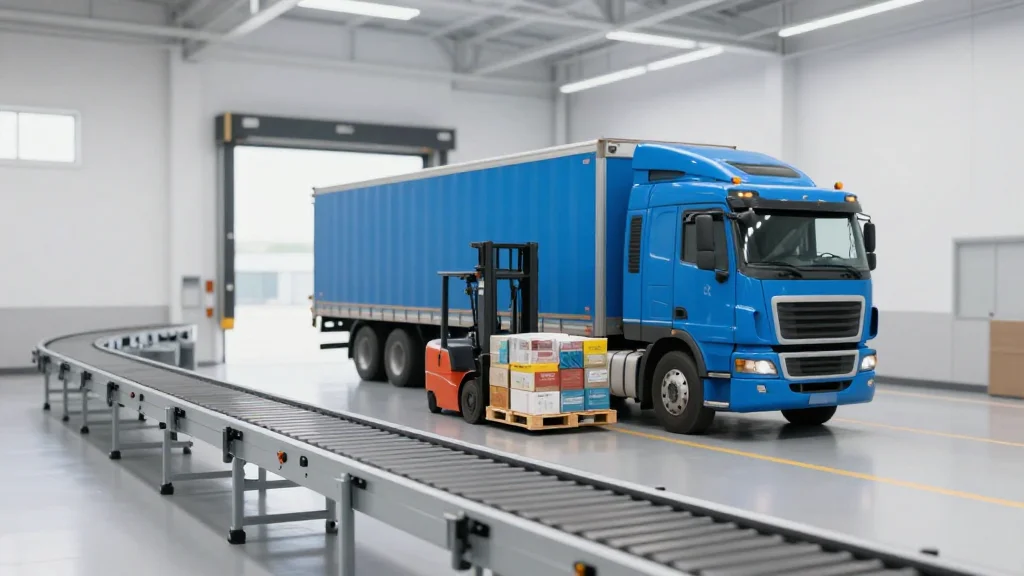
Walmart’s supply chain has long been a benchmark for scale, but the sheer number of regional distribution centers creates a fragmented inbound process for vendors. The Prepaid Consolidation Program tackles this friction by centralizing receipt of goods at a national hub, where automated sorting and cross‑docking prepare pallets for rapid redistribution. This model mirrors the hub‑and‑spoke strategies used by major carriers, allowing Walmart to leverage economies of scale in freight handling while preserving the flexibility to position inventory where consumer demand spikes.
For suppliers, the shift means a single purchase order, a single freight invoice, and a predictable per‑case rate that covers both consolidation and outbound transport. By partnering with approved third‑party logistics firms such as C.H. Robinson and Hub Group, vendors can tap into Walmart’s published rate card without incurring hidden markups. The streamlined workflow reduces labor on the supplier side, shortens order‑to‑shelf cycles, and lowers the risk of stockouts caused by misrouted shipments. Early adopters are likely to see measurable improvements in fill rates and reduced freight spend, especially those with high‑volume, fast‑moving SKUs.
The initiative signals a broader industry trend toward integrated, data‑driven logistics platforms that prioritize first‑mile efficiency. As Walmart continues to invest in automation—from robotic palletizers to AI‑guided inventory sensors—the consolidation program serves as a foundational layer that can feed real‑time demand signals into its distribution network. Competitors may feel pressure to adopt similar models, accelerating the move toward fewer, larger inbound hubs and more agile, customer‑centric replenishment strategies across the retail sector.
Walmart rolling out simplified inbound logistics for suppliers
Comments
Want to join the conversation?
Loading comments...