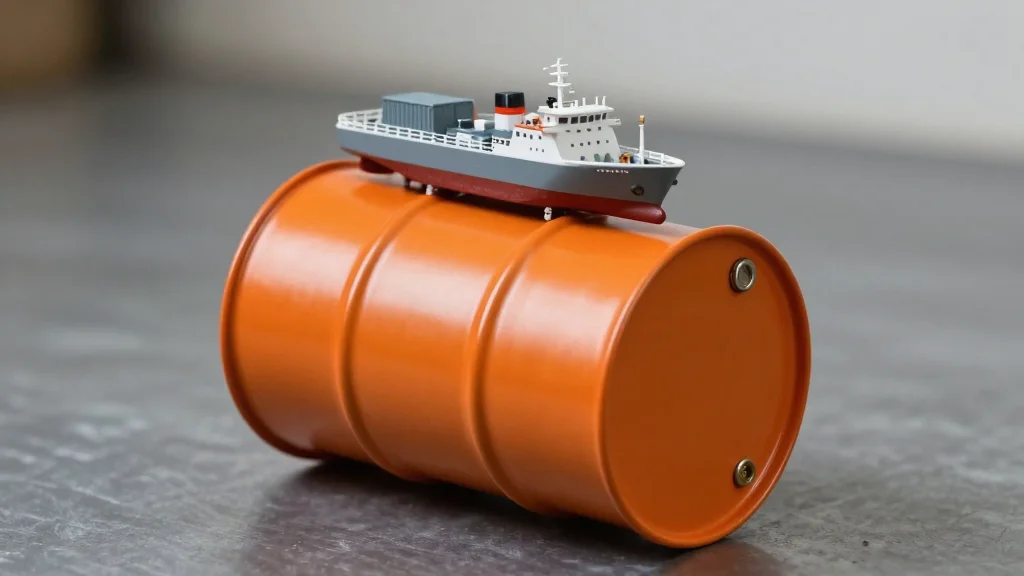
War-Driven Fuel Costs Add New Twist to Trans-Pacific Service Contract Talks
Why It Matters
Rising bunker costs threaten to erode profit margins for carriers and increase landed costs for importers, potentially reshaping trans‑Pacific trade dynamics and contract structures.
Key Takeaways
- •Iran war doubled bunker fuel prices in major hubs within weeks
- •Container lines increase European refueling as Singapore fuel supply tightens
- •Higher BAFs and emergency surcharges push spot rates up for US importers
- •Contract negotiations stall as shippers seek cost‑pass‑through limits
Pulse Analysis
The recent escalation of the Iran conflict has sent shockwaves through the global bunker fuel market, a critical input for container ships. Prices in traditional hubs such as Singapore have surged dramatically, prompting carriers to seek alternative bunkering locations in Europe where supply remains more stable. This geographic shift not only raises logistical complexity but also introduces new pricing benchmarks that shippers must monitor closely, especially as fuel‑related cost components become a larger share of total freight expenses.
For U.S. importers reliant on trans‑Pacific lanes, the immediate impact is a steep rise in spot rates driven by bunker adjustment factors (BAFs) and emergency surcharges. These pass‑through mechanisms are designed to reflect carriers’ operating cost volatility, yet the lack of transparent caps fuels negotiation friction. Importers are now demanding clearer contractual language to limit exposure, while carriers argue that the unprecedented fuel spikes are beyond their control. The resulting stalemate is delaying the renewal of multi‑year service contracts, a cornerstone of supply‑chain predictability.
Looking ahead, the industry may accelerate its transition toward lower‑emission fuels and more resilient contract frameworks. Alternative bunkering options, such as low‑sulfur marine gasoil or emerging ammonia‑based solutions, could mitigate future price shocks. Simultaneously, shippers are likely to embed more robust fuel‑price hedging clauses and dynamic pricing models into contracts. These strategic adjustments aim to balance cost certainty with operational flexibility, ensuring that trans‑Pacific trade remains competitive despite geopolitical turbulence.
War-driven fuel costs add new twist to trans-Pacific service contract talks
Comments
Want to join the conversation?
Loading comments...