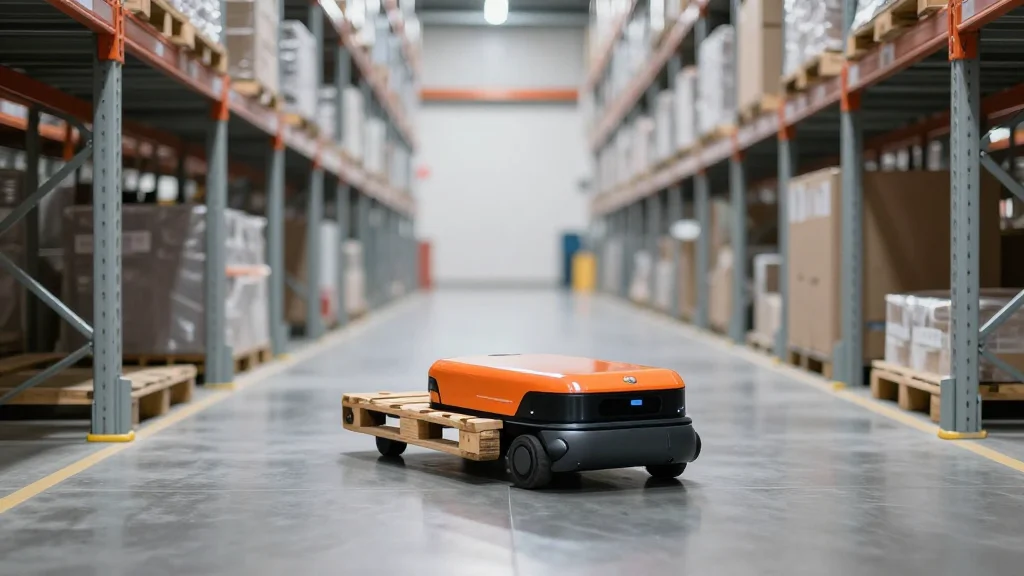
Warehouse Automation Expands Real Estate Value as Adoption Accelerates, Notes Prologis Report
Companies Mentioned
Why It Matters
Automation lifts operational efficiency and directly boosts warehouse rental values, reshaping supply‑chain economics and real‑estate investment strategies. The trend creates a durable growth engine for logistics property markets amid labor shortages and service‑level pressures.
Key Takeaways
- •Automation in ~30% of U.S. warehouses, up from 20-25% five years ago
- •Modular systems cost ~1/3 of full automation, delivering 1.5x throughput per dollar
- •Automated warehouses earn ~10% higher rents, longer lease durations
- •Penetration expected to reach 50% by 2035, fueling real‑estate demand
- •Automation drives demand for well‑located, technology‑enabled warehouse sites
Pulse Analysis
Warehouse automation is moving from niche to mainstream, with Prologis reporting that about 30% of modern U.S. logistics facilities now employ robots or guided vehicles. This acceleration is driven by chronic labor shortages, tighter service‑level expectations, and the need for faster throughput. As companies expand networks to meet higher delivery standards, the demand for sites that can accommodate modular automation systems is rising, prompting developers to prioritize locations with robust power, ceiling height, and connectivity.
Modular automation offers a compelling economics story. By requiring roughly one‑third of the capital outlay of fully automated solutions, these systems deliver about 1.5 times more throughput per dollar invested. The lower upfront cost and quicker ROI enable tenants to retrofit existing warehouses rather than build new, purpose‑built facilities. This flexibility reduces risk, allows scaling up or down with market conditions, and makes automation attractive even for mid‑size operators, widening the addressable market for technology‑enabled real estate.
The financial impact on property owners is measurable. Automated warehouses command approximately a 10% rent premium, enjoy longer lease terms, and see higher tenant retention compared with non‑automated counterparts. As automation penetration is expected to double by 2035, the premium could become a standard market feature, reinforcing the strategic importance of locating and equipping logistics assets for technology adoption. Investors and developers that embed modular automation now are likely to capture superior returns and mitigate obsolescence risk in an increasingly automated supply chain landscape.
Warehouse automation expands real estate value as adoption accelerates, notes Prologis report
Comments
Want to join the conversation?
Loading comments...