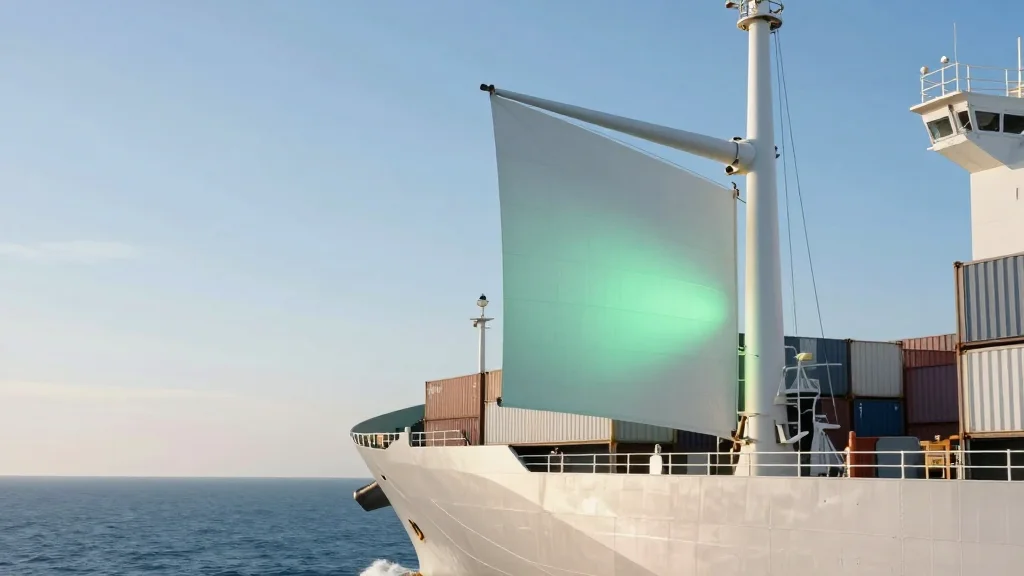
Wavelength Podcast: Shipping Figures Talk Carbon Cuts in Singapore
Why It Matters
The dialogue signals accelerating regulatory and market pressure on shipowners to meet near‑term carbon targets, shaping investment and operational decisions across the global fleet.
Key Takeaways
- •IMO Net‑Zero Framework remains under negotiation, prompting voluntary decarbonisation plans.
- •FuelEU Maritime deadline forces European‑bound vessels to join emissions‑credit pools or face penalties.
- •Poseidon Principles’ new chair pledges stricter compliance metrics for shipowners.
- •Strait of Hormuz tensions add operational risk to already costly green transitions.
Pulse Analysis
Singapore Maritime Week has become a barometer for the maritime industry’s climate ambitions, especially as the International Maritime Organization’s Net‑Zero Framework stalls. Without a binding global rule, shipowners are turning to voluntary pathways, such as wind‑assisted propulsion and alternative fuels, to demonstrate progress to investors and charterers. Eastern Pacific Shipping’s Cyril Ducau used the forum to showcase a hybrid fleet strategy that blends LNG, bio‑fuels, and renewable power, positioning the company to outperform peers once formal regulations crystallise.
Meanwhile, Europe’s FuelEU Maritime regulation is tightening the screws on vessels that call at or transit EU ports. Shipowners now face a narrow window to enrol in emissions‑credit pooling schemes or risk steep penalties that could erode profitability. Zero44’s co‑founder Frederike Hesse explained how accurate accounting can turn compliance costs into tradable assets, while Poseidon Principles chairman Paul Taylor announced a shift toward more enforceable metrics, signalling that financial institutions will increasingly tie capital to verified carbon performance. These market‑driven mechanisms are reshaping fleet investment cycles, accelerating retrofits, and prompting new charter clauses tied to emissions caps.
Beyond policy, the podcast highlighted operational and cultural dimensions that influence decarbonisation. Rising security concerns in the Strait of Hormuz—fuel seizures and lingering sea‑mine threats—add a layer of risk that could delay green projects in volatile regions. At the same time, the story of the anonymous artist “Hardo” illustrates how creative narratives are being used to engage stakeholders and humanise the complex economics of shipping. Together, these threads suggest that the industry’s path to net‑zero will be defined not only by regulation but also by risk management, financial innovation, and storytelling that galvanises broader support.
Wavelength podcast: Shipping figures talk carbon cuts in Singapore
Comments
Want to join the conversation?
Loading comments...