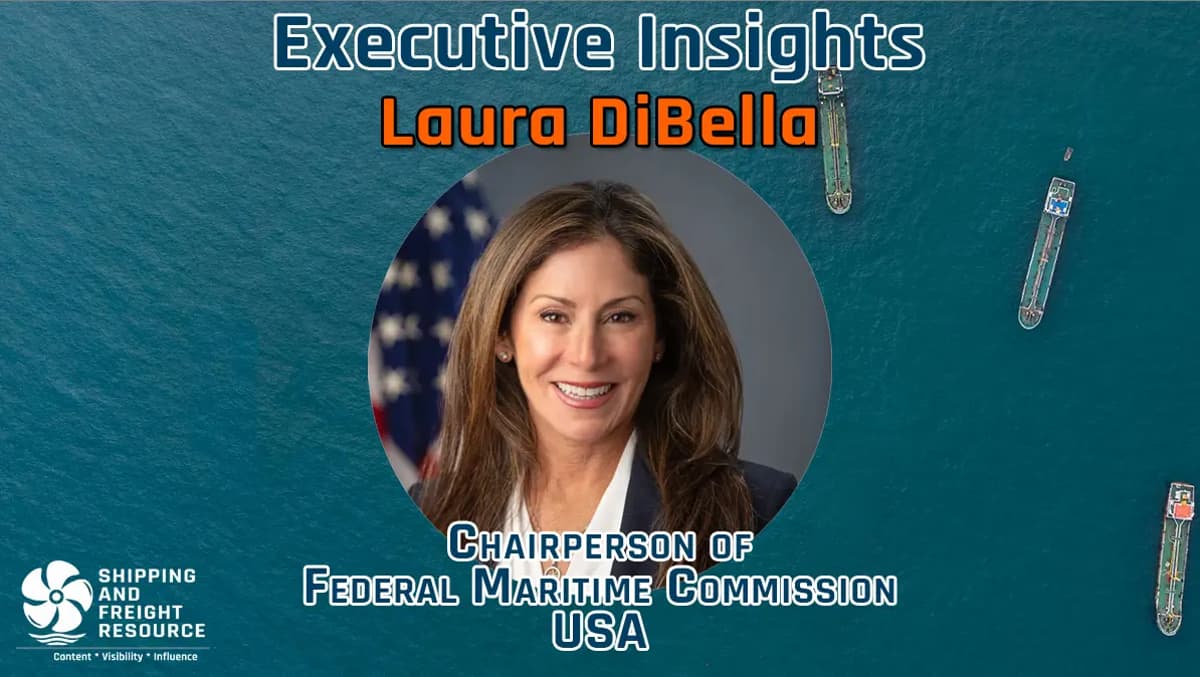
We Serve as a Trusted Source of Maritime Expertise – FMC Chair – Laura DiBella
•March 4, 2026
0
Why It Matters
The FMC’s shift to proactive, consumer‑focused oversight strengthens market fairness and resilience, directly affecting shippers, freight buyers, and U.S. trade competitiveness.
Key Takeaways
- •FMC adopts global outlook post‑COVID disruptions.
- •Agency positions itself as consumer‑protection regulator.
- •Proactive investigations target chokepoints and flag issues.
- •FMC provides maritime expertise to inform policy decisions.
- •Improvements noted after Ocean Shipping Reform Act, but challenges persist.
Pulse Analysis
The Federal Maritime Commission’s renewed emphasis on a global outlook reflects a broader regulatory awakening sparked by pandemic‑induced supply‑chain turbulence. By acknowledging that disruptions half a world away can reverberate through U.S. ports, the FMC aligns its mandate with the interconnected reality of modern trade. This perspective not only broadens the agency’s analytical horizon but also positions it to anticipate cross‑border risks before they materialize, a capability that traditional, domestically‑focused regulators often lack.
At the heart of DiBella’s vision is a consumer‑protection ethos that treats large multinational shippers and fledgling exporters alike. Proactive investigations—ranging from maritime chokepoints to flags of convenience—serve as early‑warning mechanisms, uncovering patterns that could threaten market fairness or inflate freight costs. For freight buyers, this translates into more transparent pricing, reduced anticompetitive behavior, and a level playing field that encourages participation from smaller market entrants. The commission’s investigative toolkit, therefore, becomes a strategic asset rather than merely a punitive instrument.
Finally, the FMC’s role as an expert adviser to agencies such as the State Department and Homeland Security underscores its influence beyond pure regulation. By supplying accurate maritime data, the commission helps shape policy decisions on geopolitical chokepoints and foreign‑government port access, mitigating misinformation that could destabilize trade flows. As trade lanes continue to evolve post‑Ocean Shipping Reform Act, the FMC’s proactive stance and collaborative approach will be pivotal in safeguarding U.S. economic interests while fostering a resilient, efficient global shipping ecosystem.
We serve as a trusted source of maritime expertise – FMC Chair – Laura DiBella
0
Comments
Want to join the conversation?
Loading comments...