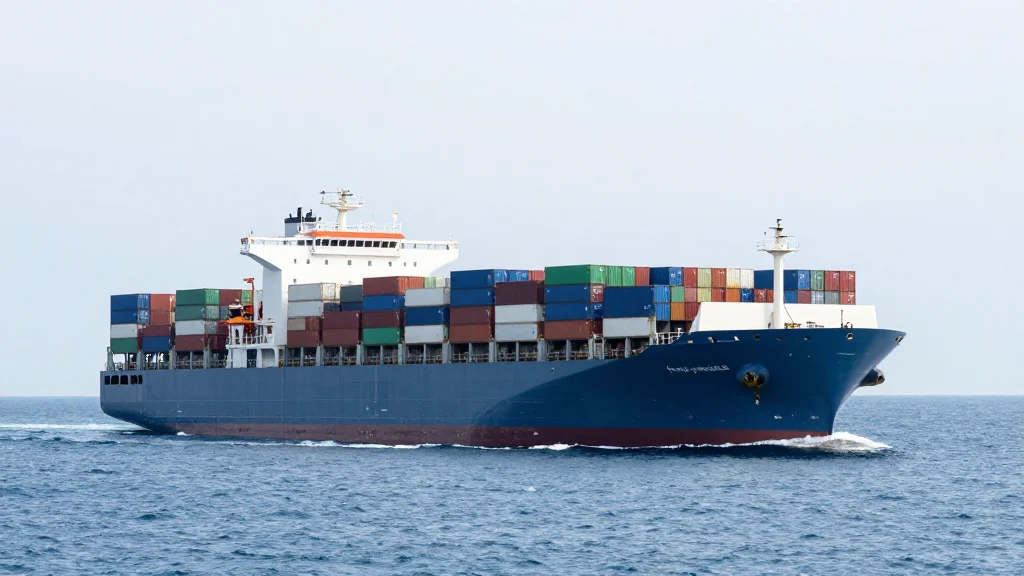
Weaker Ocean Rates Hit Maersk Q1 Profit
Companies Mentioned
Why It Matters
The profit decline underscores how fragile container‑shipping margins are to rate swings, pressuring earnings across the sector. Maersk’s cost‑saving moves and share‑buyback signal confidence but also the need for a sustained rate recovery to protect profitability.
Key Takeaways
- •Q1 EBITDA fell 33% to $1.8 billion, EBIT down 74%.
- •Ocean unit costs dropped 7% thanks to Gemini partnership.
- •Overcapacity and geopolitical tensions kept east‑west rates depressed.
- •Maersk maintains 2‑4% volume growth target through 2026 and $1 billion buyback.
Pulse Analysis
The container‑shipping market entered 2024 on a shaky footing, with lingering supply‑chain disruptions and a glut of vessels that kept benchmark east‑west freight rates well below historic highs. Geopolitical flashpoints, notably the Iran conflict, added uncertainty, while rising bunker fuel costs nudged spot rates upward only in the latter part of the quarter. This volatile backdrop has forced carriers to balance volume growth against eroding yields, a dynamic that directly impacted Maersk’s top‑line performance.
Maersk’s Q1 results illustrate the tension between scale and pricing. Despite a robust increase in container volumes across its three business segments, the company’s EBITDA fell 33% to $1.8 billion and EBIT margin contracted to 2.6%, reflecting the weight of weaker ocean rates. The firm’s strategic Gemini cooperation with Hapag‑Lloyd proved valuable, delivering a 7% reduction in ocean unit costs and cushioning the profit hit. Additionally, Maersk’s disciplined cost‑management approach, coupled with a $1 billion share‑buyback program, signals confidence in its balance sheet while it navigates a challenging rate environment.
For the broader industry, Maersk’s performance serves as a bellwether. Persistent overcapacity and geopolitical risk suggest that rate recovery may be gradual, prompting carriers to double down on efficiency initiatives and strategic alliances. Investors will watch whether Maersk’s volume‑growth guidance and capital‑return plans can sustain shareholder value amid uncertain freight pricing. The outlook hinges on macro‑economic stability, potential easing of supply‑chain bottlenecks, and any shifts in global trade flows that could rebalance supply and demand in the ocean freight market.
Weaker ocean rates hit Maersk Q1 profit
Comments
Want to join the conversation?
Loading comments...