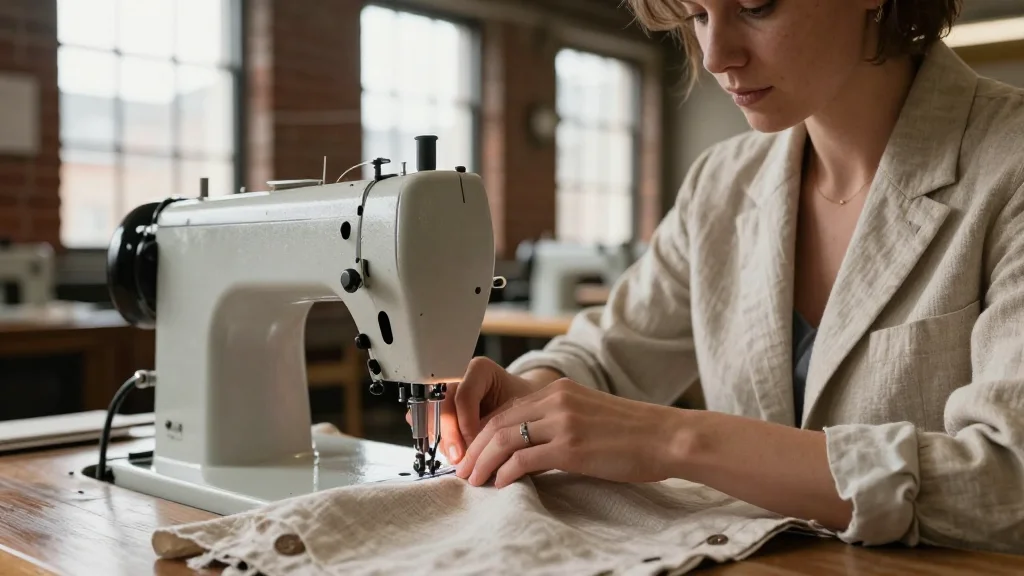
Week in Review: Global Chaos Reshapes Opportunity for UK Fashion Makers
Companies Mentioned
Why It Matters
Reshoring could restore jobs, cut carbon emissions, and give UK brands tighter control over quality and lead times, reshaping the competitive landscape.
Key Takeaways
- •Leicester garment firms fell from 1,500 to under 100 in nine years.
- •Global logistics disruptions are prompting UK fashion brands to consider onshoring.
- •Government subsidies aim to revive domestic textile production.
- •Sustainable, locally made apparel meets growing consumer demand.
Pulse Analysis
Global volatility—from pandemic‑induced factory shutdowns to escalating freight rates and geopolitical trade frictions—has forced many apparel companies to reevaluate their sourcing strategies. Shipping containers now cost up to 40% more than pre‑2020 levels, while lead times have stretched beyond six months for Asian‑based suppliers. These pressures have amplified consumer scrutiny of supply‑chain ethics, prompting a shift toward transparency and resilience. For fashion houses, the calculus is no longer purely cost‑driven; risk mitigation and brand reputation have become equally decisive factors.
In the United Kingdom, the ripple effects are starkly visible in Leicester, once the beating heart of British garment manufacturing. The city’s factory count plummeted from more than 1,500 in 2017 to under 100 this year, a decline driven by offshoring, automation and a lack of investment. Yet the Leicester Made event revealed a counter‑trend: designers and retailers are actively scouting local workshops to shorten lead times and capitalize on the "Made in Britain" premium. Policy makers have responded with a suite of subsidies, tax reliefs and training grants aimed at modernising equipment and upskilling the workforce, positioning the UK as a viable alternative to low‑cost overseas hubs.
Looking ahead, the convergence of sustainability mandates, digital manufacturing tools and consumer preference for locally sourced apparel could catalyse a modest but meaningful resurgence of UK textile production. Advanced knitting machines, 3D‑printed prototyping and AI‑driven demand forecasting lower entry barriers for small‑scale makers, while carbon‑neutral labeling offers a marketable edge. If the current policy momentum sustains, the sector may see a gradual reversal of the past decade’s decline, delivering new jobs, reduced emissions, and a more agile supply chain for British fashion brands.
Week in Review: Global chaos reshapes opportunity for UK fashion makers
Comments
Want to join the conversation?
Loading comments...