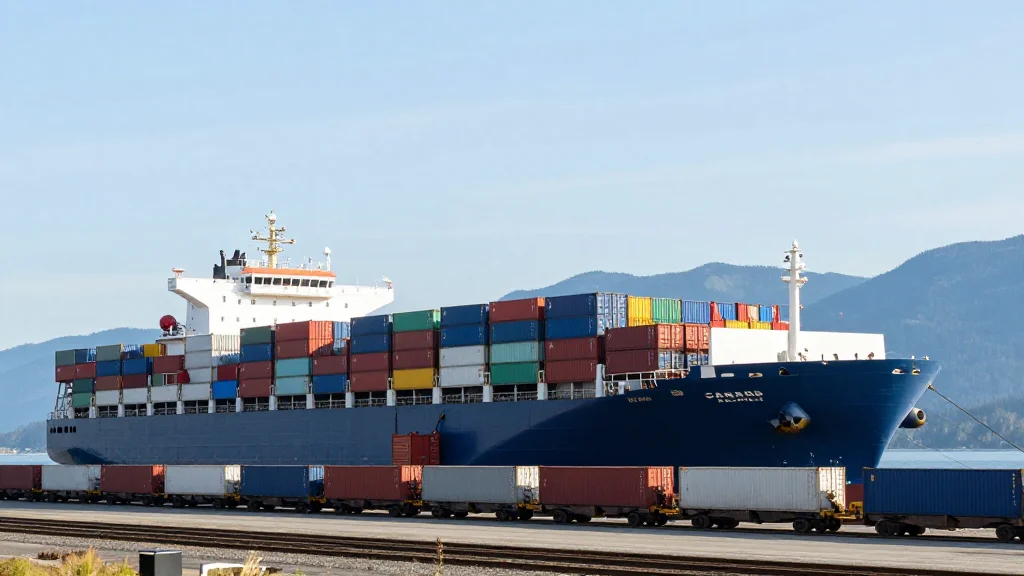
Western Canadian Ports Push IPI Advantage to Grow Q1 Imports From Asia
Why It Matters
The import uptick positions Vancouver and Prince Rupert as competitive alternatives to U.S. ports, reshaping regional logistics and attracting shippers seeking reliable, cost‑effective access to North‑American markets.
Key Takeaways
- •Vancouver imports rose 9% YoY in Q1 2026
- •Prince Rupert saw 7.8% YoY import growth
- •Both ports leverage intermodal links to U.S. Midwest
- •U.S. West Coast ports recorded import declines
Pulse Analysis
The western Canadian gateways of Vancouver and Prince Rupert are capitalizing on their intermodal infrastructure to capture a larger share of Asia‑North America container traffic. By offering direct inland point intermodal (IPI) services that connect seamlessly to the Canadian interior and the U.S. Midwest, these ports reduce dwell times and transit costs for shippers. The 9% and 7.8% year‑over‑year import growth in Q1 reflects not only robust demand from Asian manufacturers but also a strategic shift toward ports that can guarantee faster inland delivery.
In contrast, major U.S. West Coast terminals reported a dip in imports during the same period, highlighting a competitive edge for Canadian ports. Shippers are increasingly evaluating total landed cost, which includes inland freight, terminal handling, and congestion risk. Vancouver’s status as Canada’s largest container gateway, combined with Prince Rupert’s deep‑water capabilities, offers a compelling value proposition for carriers seeking to avoid bottlenecks on the U.S. side. This dynamic is prompting logistics providers to re‑route cargo, diversify routing strategies, and negotiate new service contracts that prioritize intermodal efficiency.
Looking ahead, sustained investment in rail corridors, terminal automation, and customs processing will be pivotal for maintaining momentum. Stakeholders anticipate that continued growth in Asian export volumes, coupled with North American demand for consumer goods, will reinforce the IPI advantage. Companies that align their supply‑chain networks with these Canadian ports can expect improved reliability, lower carbon footprints, and enhanced resilience against disruptions in the broader Pacific trade ecosystem.
Western Canadian ports push IPI advantage to grow Q1 imports from Asia
Comments
Want to join the conversation?
Loading comments...