What Are Pallet Shuttle Systems? Key Applications, Benefits, and Use Cases Explained
Why It Matters
The solution directly addresses the growing pressure on warehouses to increase capacity and efficiency without expanding footprints, delivering measurable cost savings and safety improvements across multiple supply‑chain segments.
Key Takeaways
- •Pallet shuttles boost storage density by up to 30% in racking
- •Reduce forklift travel, cutting labor costs and improving safety
- •Ideal for cold storage, beverage, CPG, e‑commerce, 3PL, manufacturing
- •Support FIFO/LIFO, seasonal overflow, and just‑in‑time production
- •Scalable, semi‑automated solution integrates with existing racks
Pulse Analysis
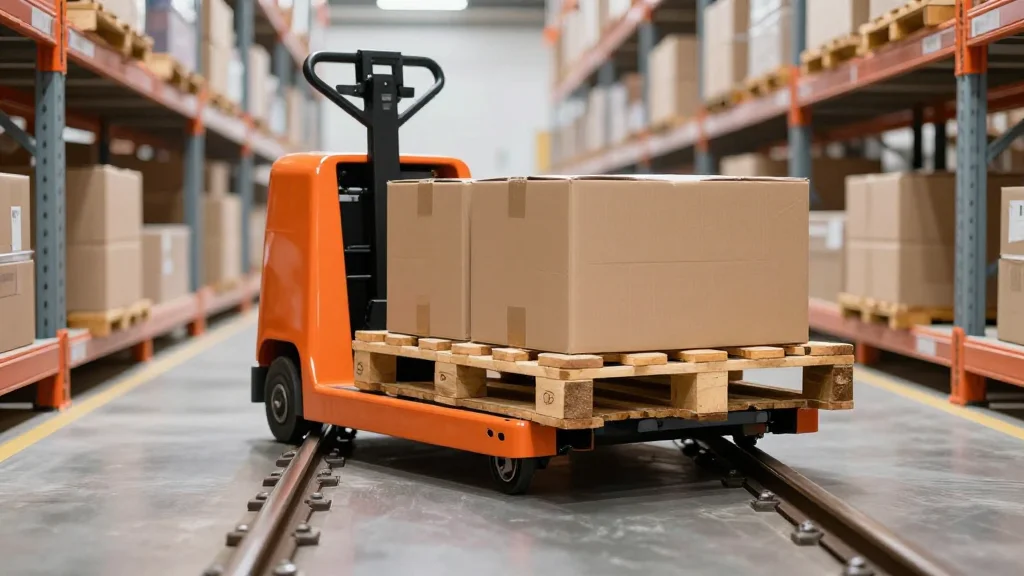
Warehouse operators are under relentless pressure to squeeze more throughput out of limited square footage. Traditional forklift‑centric layouts waste valuable aisle space and generate unnecessary travel time, driving up labor expenses and safety risks. Pallet shuttle systems answer this challenge by moving pallets along rails inside the rack structure, effectively turning vertical space into usable storage. This semi‑automated approach not only frees up aisles but also enables tighter pallet placement, often delivering a 20‑30% increase in storage density compared with conventional block racking.
The versatility of pallet shuttles makes them attractive to a broad range of industries. In temperature‑controlled cold storage, minimizing door openings and forklift traffic preserves product integrity while cutting energy consumption. Beverage and bottling facilities benefit from the system’s ability to handle heavy loads and switch seamlessly between FIFO and LIFO inventory strategies. Consumer packaged goods, e‑commerce fulfillment centers, and third‑party logistics providers leverage shuttles to stage high‑volume outbound pallets and manage seasonal spikes without sacrificing speed. Manufacturing plants use the technology as a buffer for work‑in‑progress, supporting just‑in‑time production and reducing bottlenecks on the shop floor.
Adopting a pallet shuttle system requires a careful assessment of SKU mix, throughput targets, and future growth plans. While the upfront capital outlay can be higher than simple racking, the reduction in labor hours, lower forklift maintenance, and improved safety often yield a rapid return on investment. Integration with warehouse management systems further enhances visibility and enables real‑time slotting decisions. As automation continues to reshape supply chains, pallet shuttles are poised to become a foundational element of high‑density, smart warehousing strategies.
What Are Pallet Shuttle Systems? Key Applications, Benefits, and Use Cases Explained
Comments
Want to join the conversation?
Loading comments...