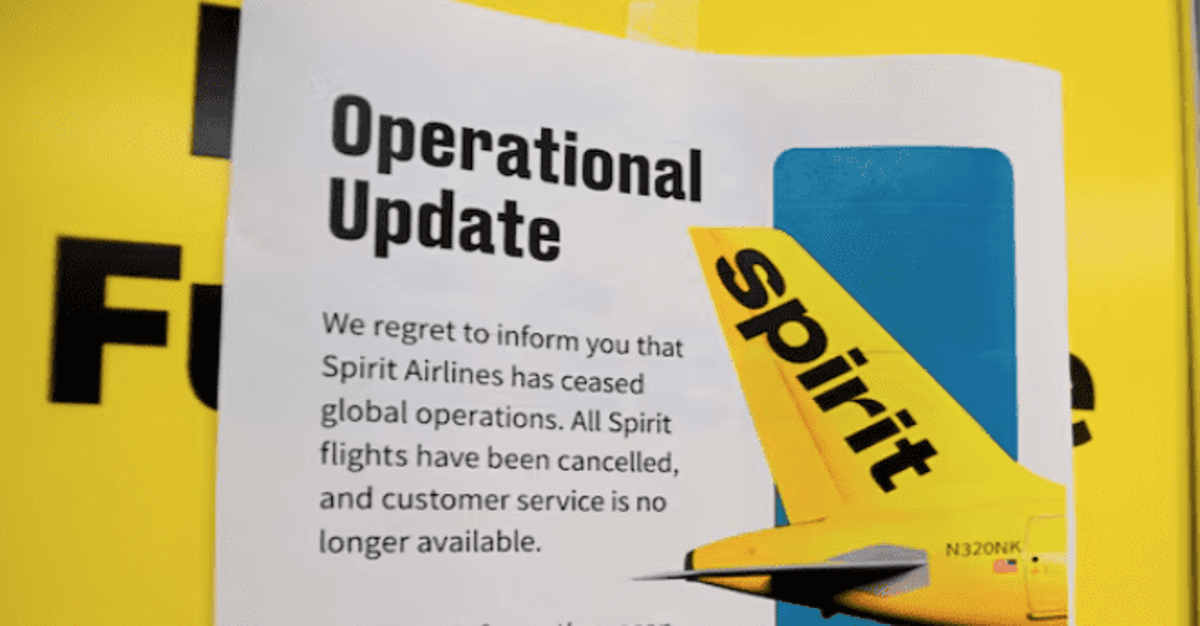
What Spirit Airlines’ Shutdown Reveals About Supply Chains
Companies Mentioned
Why It Matters
The failure illustrates that supply chains built for stability can suffer catastrophic disruptions without built‑in flexibility, prompting a shift toward decision‑centric resilience across industries.
Key Takeaways
- •Spirit's collapse highlights fragility of ultra‑lean operating models.
- •High utilization leaves little slack for demand spikes or cost shocks.
- •Decision architecture, not just visibility, is critical for rapid trade‑off evaluation.
- •Building optionality—alternate suppliers, flexible routing—adds resilience without sacrificing efficiency.
- •Financial buffers enable firms to absorb sudden cost increases and service disruptions.
Pulse Analysis
Spirit Airlines’ abrupt shutdown provides a stark reminder that efficiency‑first strategies can backfire when market conditions become volatile. The carrier’s model—characterized by near‑full aircraft utilization, compressed turn‑times and razor‑thin margins—performed well in a predictable environment but lacked the cushion to absorb sudden spikes in fuel prices, labor shortages, or unexpected maintenance issues. As the airline’s network unraveled, the ripple effects mirrored those seen in supply chains where a single bottleneck can cascade into widespread service failures, highlighting the limits of pure lean optimization.
Supply‑chain executives can draw several lessons from Spirit’s experience. First, visibility tools such as dashboards and control towers, while essential, are insufficient on their own; firms need decision architecture that can evaluate trade‑offs in real time and reallocate resources across planning, procurement, production and logistics. Second, building optionality—through alternate suppliers, flexible routing, dynamic inventory positioning and empowered decision rights—creates the agility needed to respond to disruptions without eroding overall cost competitiveness. Finally, maintaining modest financial buffers provides the breathing room to absorb cost shocks and protect service levels when the network is stressed.
The path forward for resilient networks lies in balancing utilization with flexibility. Companies should audit their end‑to‑end processes to identify tightly coupled nodes where a minor failure could trigger a cascade, then introduce redundancy or modularity at those points. Investing in scenario‑based planning platforms that simulate the impact of demand swings, labor constraints or capacity loss can shorten decision latency. By integrating these capabilities, firms can preserve the efficiency gains of lean design while safeguarding against the systemic risks that led to Spirit’s downfall, positioning themselves for sustainable performance in an increasingly unpredictable market.
What Spirit Airlines’ Shutdown Reveals About Supply Chains
Comments
Want to join the conversation?
Loading comments...