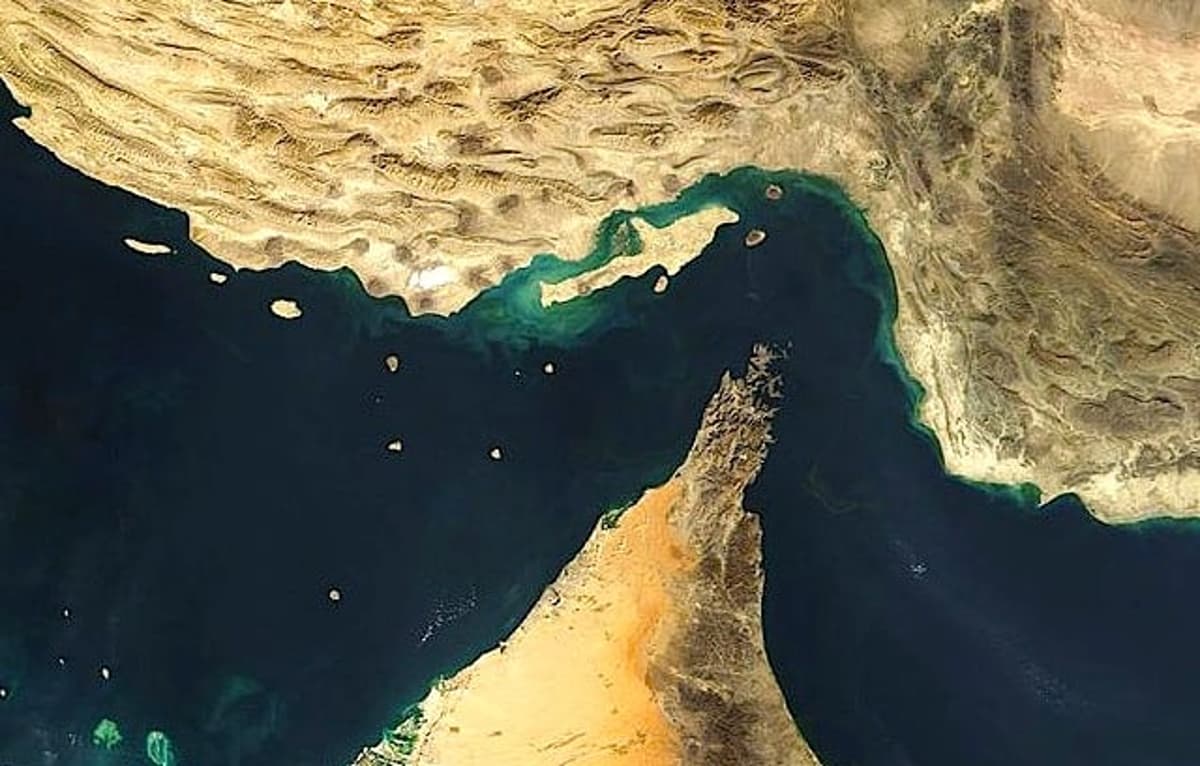
What Would European Military Help Safeguarding Hormuz Actually Look Like?
Why It Matters
Uninterrupted flow through Hormuz underpins roughly 20% of global oil trade, so any prolonged disruption threatens energy prices and supply chains worldwide. Establishing a credible, impartial security mechanism is essential to restore market confidence and prevent future flashpoints.
Key Takeaways
- •UK and France spearhead multinational Hormuz security planning
- •Four working groups address military, sanctions, humanitarian, industry coordination
- •UN Security Council resolution offers limited backing; full mandate still lacking
- •Coalition likely to maintain naval presence 2‑5 years post‑conflict
- •Long‑term legal treaty could institutionalize free navigation
Pulse Analysis
The Strait of Hormuz remains a chokepoint for global commerce, funneling an estimated $300 billion of oil and gas daily. After recent missile strikes and mining incidents, the UK and France moved quickly to convene a head‑of‑state summit, signaling political resolve and laying the groundwork for a 42‑nation coalition. By establishing dedicated working groups, the alliance seeks to synchronize naval patrols, enforce sanctions, coordinate humanitarian shipments, and engage ship owners, thereby creating a multi‑layered response that can adapt to both kinetic and cyber threats.
A critical hurdle is the absence of a clear United Nations mandate. While Security Council Resolution 2817 affirms the right of states to defend vessels, it stops short of authorising a collective military operation, and attempts at a dedicated resolution have been vetoed by China and Russia. This diplomatic gap forces the coalition to rely on voluntary participation and to broaden its legitimacy by inviting non‑belligerent powers such as Germany, Japan, and relevant UN agencies. Environmental concerns, including oil spills from recent hostilities, and complex legal questions about innocent and transit passage further complicate planning, prompting calls for specialized working groups and an international contact‑group model.
Looking ahead, experts anticipate a naval presence lasting two to five years, providing a window to negotiate a permanent legal regime. Drawing on historic accords like the Copenhagen and Montreux Conventions, as well as the cooperative mechanisms governing the Malacca‑Singapore strait, could yield a treaty that codifies navigation rights and safety standards. Such a framework would not only stabilize Hormuz but also set a precedent for managing other strategic waterways, reinforcing global trade resilience and reducing the risk of future geopolitical flashpoints.
What would European military help safeguarding Hormuz actually look like?
Comments
Want to join the conversation?
Loading comments...