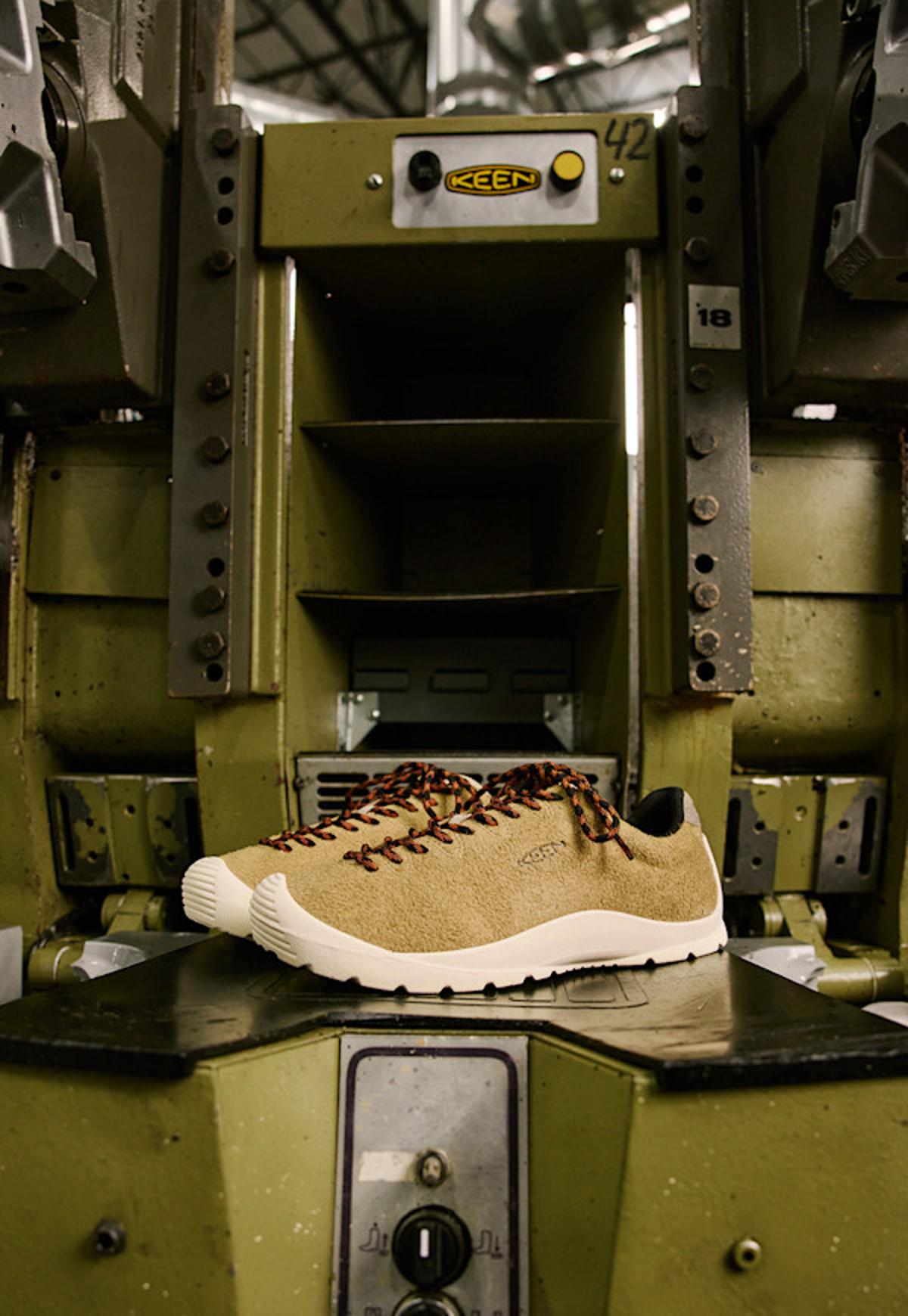
Why KEEN's Effort to Build More Shoes in America Starts With Lifestyle
Companies Mentioned
Why It Matters
Domestic production lowers carbon emissions, shortens delivery times and signals a shift toward sustainable, locally‑made footwear in an industry where only about 1 % of shoes are U.S.‑made.
Key Takeaways
- •KEEN launched Jasper KM Lite sneaker and Mary Jane made in Kentucky.
- •Factory move cuts shipping emissions by ~2,800 tons per year.
- •New models use vegan leather with 50% recycled polyester.
- •KEEN.FUSION heat‑bonding replaces glues, enhancing sustainability.
- •Domestic output still under 5% of KEEN’s total catalog.
Pulse Analysis
Reshoring footwear has moved from a niche strategy to a competitive advantage, and KEEN’s Kentucky relocation illustrates that shift. By consolidating production near its distribution hub, the brand not only trims logistics costs but also cuts its carbon footprint by an estimated 2,800 tons of CO₂ each year. The proximity to 85 % of U.S. customers enables two‑day delivery, a service level traditionally reserved for overseas‑sourced goods, and positions KEEN as a leader in the emerging "American‑made" sneaker segment.
The technical underpinnings of the Jasper KM Lite line reinforce KEEN’s sustainability narrative. KEEN.FUSION replaces solvent‑based glues with a heat‑bonding process, reducing volatile organic compounds and streamlining assembly. The Trampoleen cushioning system blends lightweight rebound foam with dense Luftcell layers for durability without excess material. Moreover, the vegan‑leather upper combines 50 % recycled polyester microfiber with virgin fibers, earning Intertek’s vegan‑verified seal, while the brand remains PFAS‑free across its portfolio. These innovations demonstrate how eco‑friendly materials and processes can coexist with performance‑driven design.
For the broader industry, KEEN’s modest but visible domestic footprint could act as a catalyst. Consumer demand for transparent, low‑impact products is rising, and a supply chain anchored in the U.S. offers resilience against tariff volatility and geopolitical disruptions. However, scaling will require a broader domestic supplier base, as many specialty components still rely on overseas sources. If KEEN can expand its Kentucky output beyond the initial four models, it may prove that responsible, American‑made footwear can be profitable at scale, prompting competitors to reconsider their own manufacturing footprints.
Why KEEN's Effort to Build More Shoes in America Starts With Lifestyle
Comments
Want to join the conversation?
Loading comments...