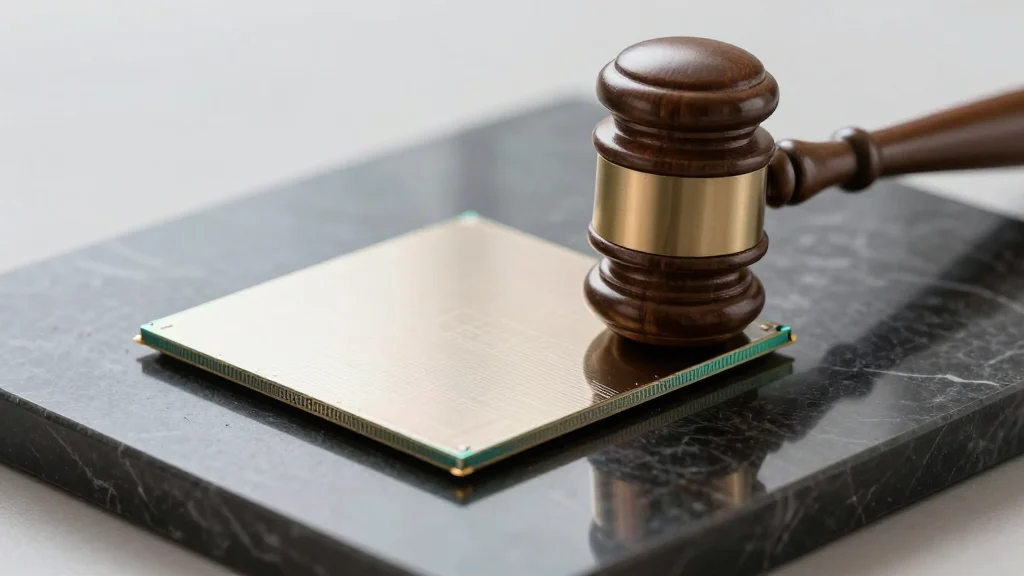
Wingtech Sues Nexperia in Chinese Court over Dutch Government’s Semiconductor Seizure
Companies Mentioned
Why It Matters
The ruling will shape how Chinese investors can legally contest foreign asset seizures and could alter the balance of power in the global semiconductor supply chain.
Key Takeaways
- •Wingtech claims $1.1 billion damages from Dutch seizure of Nexperia.
- •Lawsuit tests China’s Anti‑Foreign Sanctions Law beyond domestic jurisdiction.
- •Dutch action aimed at safeguarding European semiconductor security.
- •China blocked Nexperia chip exports, threatening EU supply chains.
- •Potential bilateral treaty claim adds diplomatic pressure on Netherlands.
Pulse Analysis
The Dutch seizure of Nexperia reflects a growing willingness among European governments to intervene in critical‑technology assets, especially when geopolitical tensions rise. By invoking the Cold‑War‑era Goods Availability Act, the Netherlands signaled that strategic considerations now outweigh pure market logic. The move was reportedly spurred by U.S. pressure to curb Chinese influence over key chip supplies, underscoring how export‑control policies are being coordinated across the Atlantic to protect supply‑chain integrity.
Wingtech’s lawsuit leverages China’s Anti‑Foreign Sanctions Law, a statute designed to give Chinese entities a legal counter‑measure against what Beijing deems discriminatory foreign actions. While Chinese courts lack jurisdiction over the Dutch government, they can target Nexperia’s operations within China, potentially ordering asset freezes or compensation. A favorable ruling would demonstrate the law’s extraterritorial reach, encouraging other Chinese firms to pursue similar claims and adding a new layer of legal risk for foreign governments contemplating asset seizures.
For the broader semiconductor ecosystem, the dispute threatens to disrupt the flow of billions of chips that European automakers and consumer‑electronics makers rely on. China’s export block on Nexperia’s Chinese‑made wafers already forces European customers to seek alternative sources, potentially accelerating diversification away from Chinese‑linked supply chains. Moreover, Wingtech’s reference to a bilateral investment‑treaty claim raises the prospect of diplomatic arbitration, which could pressure the Netherlands into negotiating a settlement. The case thus serves as a bellwether for how legal, political, and commercial forces will intersect in the next phase of the tech‑cold war.
Wingtech sues Nexperia in Chinese court over Dutch government’s semiconductor seizure
Comments
Want to join the conversation?
Loading comments...