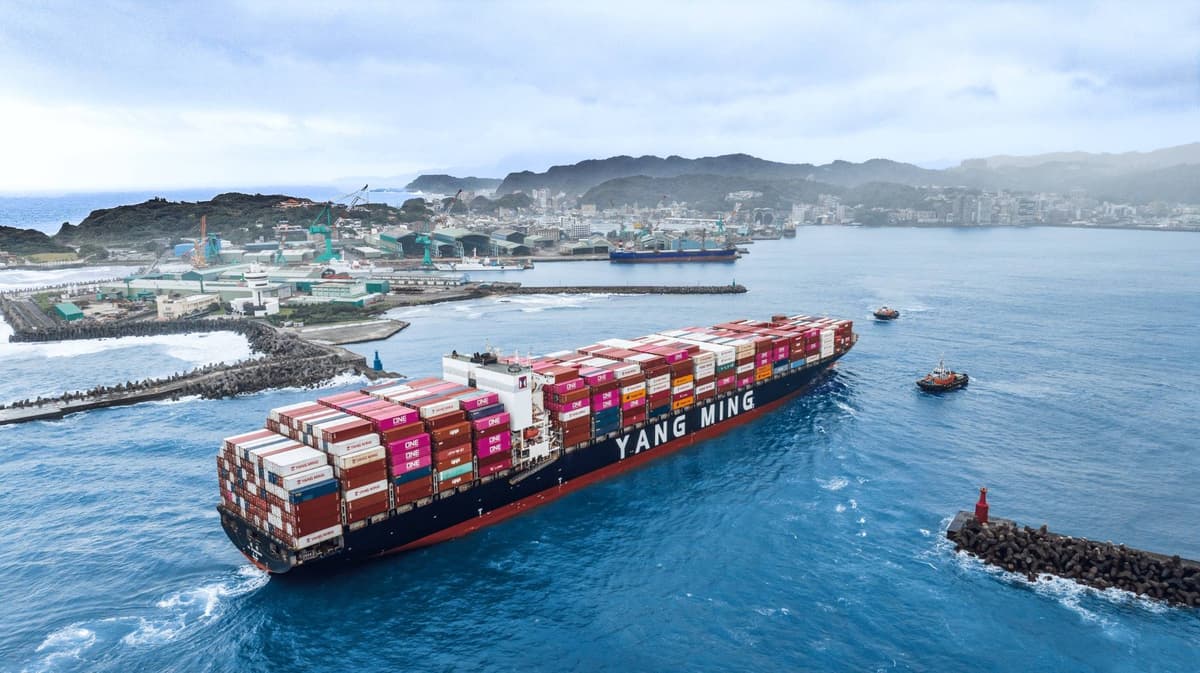
Yang Ming Chairman: Early Peak Season Seen in 2025
Key Takeaways
- •US‑Israel‑Iran conflict accelerates 2025 peak season to Q2
- •Strait of Hormuz closure drives surge in container bookings this month
- •Yang Ming expects freight rates to rise starting May due to oil costs
- •Early peak may tighten capacity and boost liner profitability
Pulse Analysis
Geopolitical flashpoints are increasingly dictating the rhythm of global trade, and the latest US‑Israel‑Iran confrontation illustrates that trend. The closure of the Strait of Hormuz—a chokepoint that handles roughly 20% of the world’s oil shipments—has forced carriers to reroute vessels, compress transit times, and scramble for available slots. Historically, the long‑haul peak season in the container market peaks in the third quarter, when Asian manufacturers replenish inventories for the holiday demand surge. By moving this peak into the second quarter, Yang Ming signals that shippers are already reallocating cargo to avoid anticipated bottlenecks, a behavior that could become a new norm if regional tensions persist.
The immediate commercial impact is a likely uptick in freight rates. With oil prices hovering near historic highs, fuel accounts for a sizable share of a carrier’s operating expense. Yang Ming’s forecast of rate hikes starting in May reflects both the direct cost pressure from oil and the indirect effect of constrained vessel capacity as ships wait for cleared passages. Competing mainline operators—Maersk, MSC, CMA CGM—are expected to follow suit, potentially compressing margins for importers and prompting them to lock in forward contracts or explore alternative modes such as rail or air for high‑value goods.
Looking ahead to the remainder of 2025, the early peak could reshape supply‑chain strategies. Companies may adjust inventory policies, shifting from just‑in‑time to a more buffered approach to mitigate rate volatility. Meanwhile, carriers might accelerate fleet upgrades, invest in fuel‑efficient vessels, or diversify routing options to reduce reliance on vulnerable chokepoints. Stakeholders that monitor these geopolitical developments and adapt quickly will be better positioned to manage cost exposure and maintain service reliability in an increasingly unpredictable maritime environment.
Yang Ming chairman: Early peak season seen in 2025
Comments
Want to join the conversation?