SpaceX Revealed Its Rocket Launches Are Losing Millions—Here’s How It Actually Makes Money
Why It Matters
Starlink’s dominance turns SpaceX into a broadband powerhouse, offsetting heavy losses in its launch and AI units and reshaping the company’s growth narrative. The revenue mix signals a strategic pivot toward connectivity as the primary profit engine.
Key Takeaways
- •Starlink contributed $3.3 B Q1 2026, 69% of total revenue.
- •Space launch division earned $619 M Q1, far below Starlink.
- •SpaceX’s AI segment lost $6.4 B in 2025, driven by $12.7 B capex.
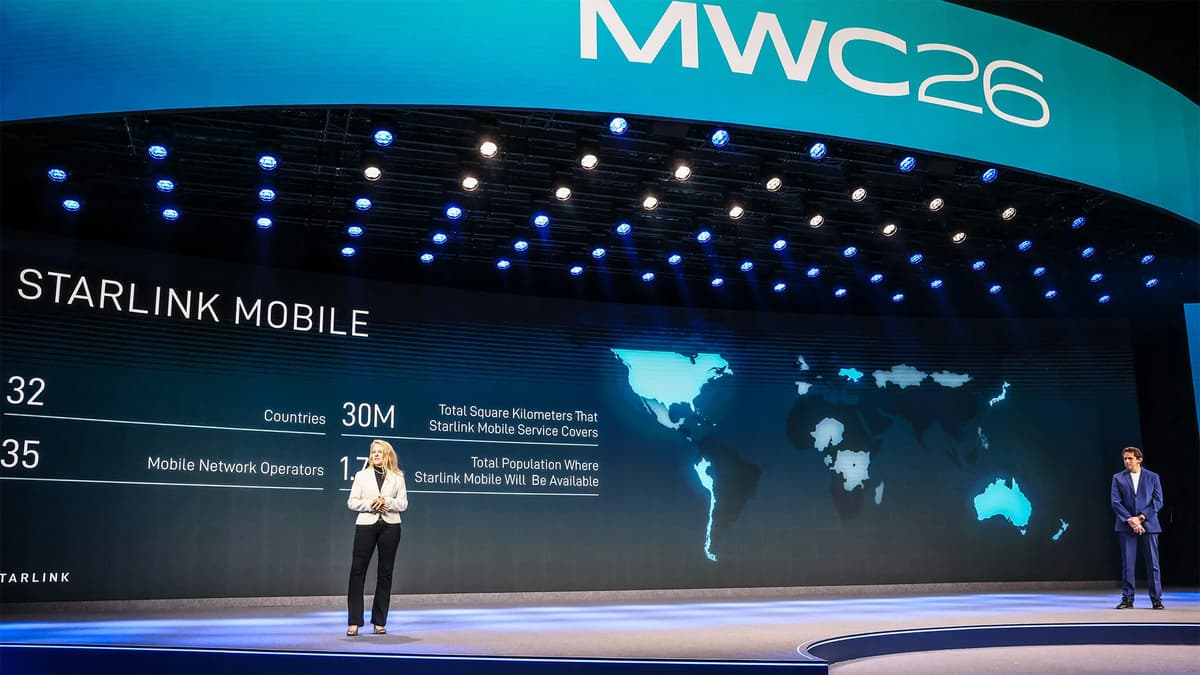
- •Starlink has 10.3 M subscribers in 164 markets, 9,600 satellites.
- •Amazon’s Project Kuiper launched 300 satellites in 2025, plans 100 launches.
Pulse Analysis
SpaceX’s financial disclosures underscore a dramatic shift from pure launch services to a broadband‑centric model. Starlink’s $3.3 billion Q1 haul, accounting for roughly two‑thirds of total revenue, illustrates how satellite internet has become the engine of profitability, while the traditional launch segment, despite its market leadership, contributes a modest fraction of earnings. This revenue profile mirrors the broader trend of space companies leveraging constellations to generate recurring subscription cash flow, a model that investors increasingly favor over episodic launch contracts.
The company’s aggressive AI investment, however, has eroded earnings, with a $6.4 billion loss in 2025 tied to $12.7 billion in capex. While the AI push aims to integrate advanced analytics and autonomous operations across both launch and satellite services, the short‑term financial hit raises questions about cash burn and timing of returns. Analysts are watching whether AI can unlock efficiencies that eventually boost margins for both the launch and connectivity divisions, or whether the spend will continue to outpace revenue growth.
Competition is heating up as Amazon’s Project Kuiper ramps its own LEO constellation. After deploying over 300 satellites in 2025 and securing 100 launch slots, Kuiper threatens to fragment the nascent satellite broadband market. Starlink’s extensive subscriber base and mature infrastructure give it a lead, but price pressure and service differentiation will intensify. The evolving landscape suggests that future profitability will hinge on scaling subscriber numbers, managing AI costs, and maintaining launch cadence to replenish and expand the satellite fleet.
SpaceX Revealed Its Rocket Launches Are Losing Millions—Here’s How It Actually Makes Money
Comments
Want to join the conversation?
Loading comments...