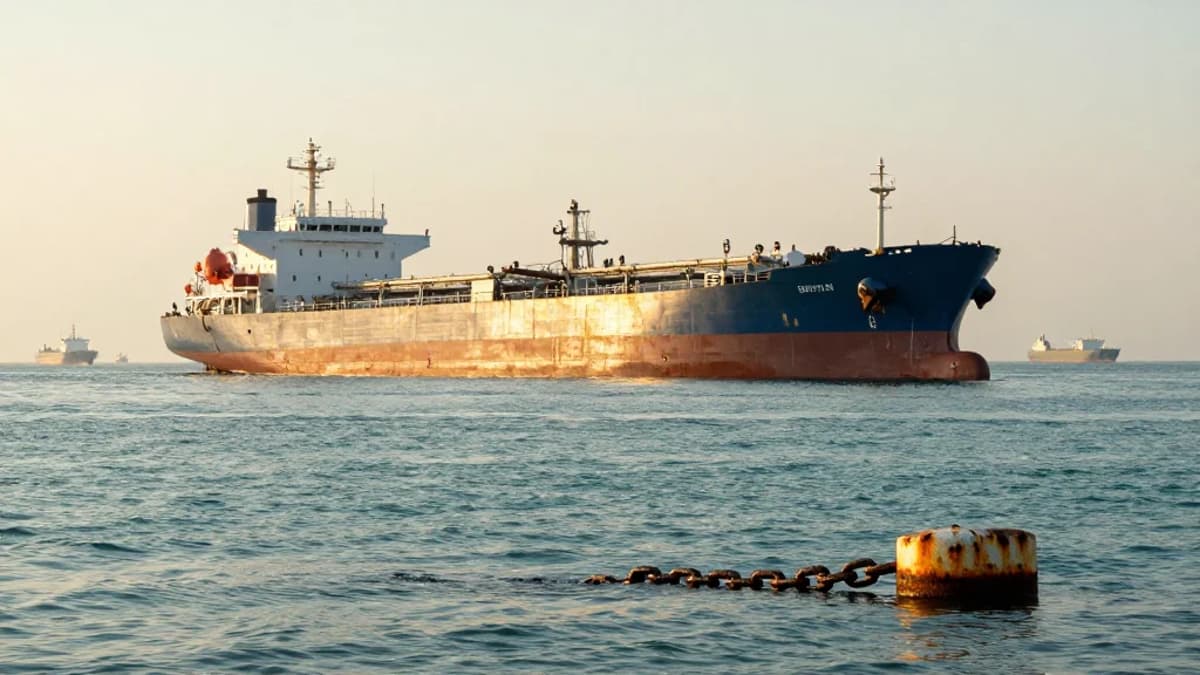
Economic Implications of the Iran Attacks
•March 3, 2026
0
Key Takeaways
- •Strait of Hormuz closure threatens oil flow
- •Crude prices jumped over 5% instantly
- •Shipping insurers raised premiums sharply
- •Emerging‑market currencies weakened on risk
- •Rerouting could add $1‑2 million per voyage
Summary
U.S. and Israeli strikes prompted Iran’s Revolutionary Guard to announce a closure of the Strait of Hormuz, one of the world’s most vital oil chokepoints. The move threatens to halt commercial traffic, immediately spiking crude prices and prompting insurers to raise premiums on regional shipping. Early market reactions show a steep rise in benchmark oil contracts and heightened volatility in emerging‑market currencies. Analysts warn that prolonged disruption could force rerouting of tankers, inflating freight costs and straining global supply chains.
Pulse Analysis
The immediate economic shock from Iran’s threat to seal the Strait of Hormuz reverberates through commodity markets. Crude oil, which relies on the narrow waterway for roughly 20% of global shipments, saw benchmark prices surge as traders priced in supply uncertainty. This price spike is not isolated; it ripples into downstream sectors, raising fuel costs for transportation, aviation, and manufacturing, thereby feeding broader inflationary pressures already evident in many economies.
Beyond oil, the closure triggers a cascade of logistical challenges. Tanker operators face higher insurance premiums and the prospect of longer, more circuitous routes around the Cape of Good Hope, adding days to transit times and inflating freight rates. These added costs are likely to be passed on to consumers, squeezing margins for import‑dependent businesses and potentially prompting a reassessment of inventory strategies. Moreover, the heightened geopolitical risk elevates demand for alternative energy sources and accelerates interest in strategic petroleum reserves as nations seek to buffer against supply shocks.
In the longer term, sustained disruption could reshape regional trade dynamics. Countries heavily reliant on Middle Eastern oil may diversify supply chains, increasing imports from West Africa or the Americas, while investors could shift capital toward energy‑security assets such as LNG infrastructure and renewable projects. Financial markets will monitor diplomatic signals closely; any de‑escalation could quickly restore confidence, whereas an extended closure may embed higher risk premiums into global pricing models, influencing everything from corporate earnings forecasts to sovereign debt assessments.
Comments
Want to join the conversation?