How Oman Is Converting Geopolitical Instability Into Permanent Strategic Architecture
Key Takeaways
- •Oman expanded Duqm port capacity by 30% amid regional tensions.
- •New logistics hub aims to capture 15% of Gulf cargo traffic.
- •Government pledged $5 billion (≈$5.4 billion) in infrastructure over five years.
- •Strategic partnership with China’s Belt & Road enhances connectivity.
- •Diversification reduces oil dependence to under 30% of GDP.
Pulse Analysis
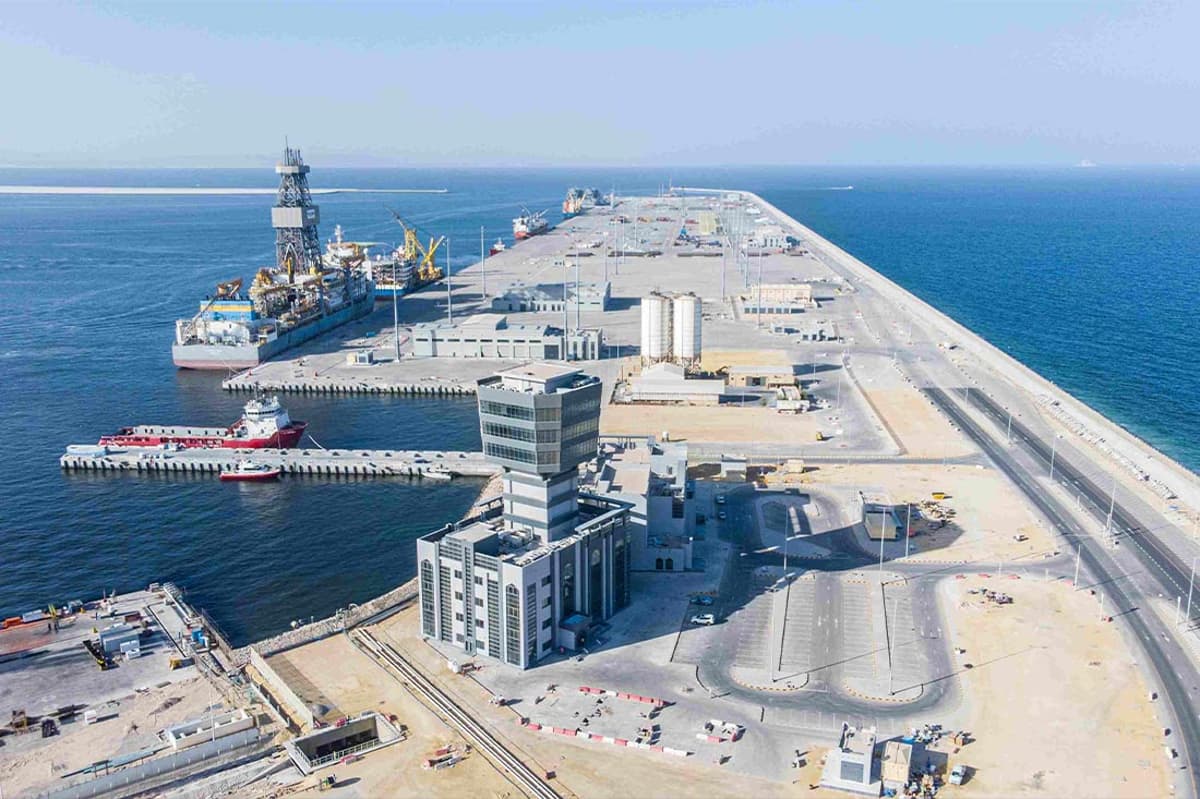
Oman’s geographic sweet spot—nestled between the Arabian Sea, the Gulf of Oman and the Strait of Hormuz—has become a strategic lever as neighboring waters face heightened conflict. The Houthi blockade of Red Sea shipping and the recent Hormuz standoff disrupted traditional routes, prompting global carriers to seek alternative ports. Muscat seized the moment, accelerating the deep‑water Duqm project, which now boasts a 30% increase in berth capacity and upgraded rail links to the interior, positioning the port as a viable bypass for time‑critical cargo.
The Omani government has earmarked roughly $5 billion (≈$5.4 billion) for a suite of infrastructure upgrades, ranging from high‑speed rail and renewable‑energy grids to a digital customs platform that promises 20% faster clearance times. Parallel to these domestic investments, Oman signed a strategic partnership with China’s Belt and Road Initiative, unlocking financing for a new logistics hub that targets 15% of Gulf cargo flow. Incentives such as tax holidays and streamlined licensing have already attracted European and Asian logistics firms, diversifying revenue streams and reducing the nation’s reliance on oil to below 30% of GDP.
For investors and multinational corporations, Oman’s proactive stance signals a stable, forward‑looking market amid regional volatility. The enhanced port capacity and integrated transport corridors reduce transit risk, while the government’s commitment to economic diversification offers new avenues for private‑sector participation. As trade patterns adjust to geopolitical pressures, Oman’s permanent strategic architecture could become a cornerstone of Gulf commerce, reshaping supply‑chain routes and delivering long‑term growth opportunities.
How Oman is converting geopolitical instability into permanent strategic architecture
Comments
Want to join the conversation?