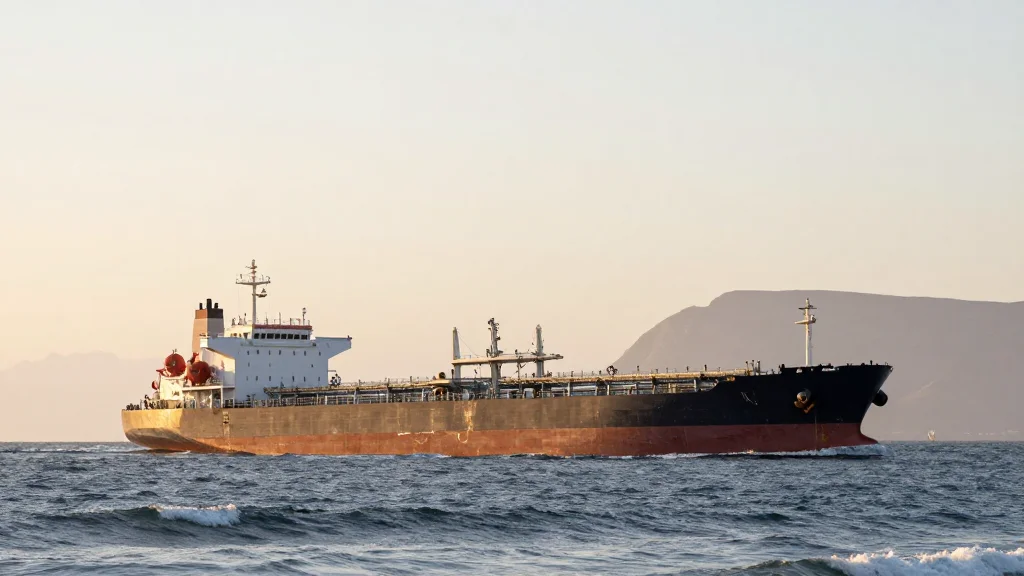
Ship Traffic Around Southern Africa Resurges
Key Takeaways
- •Cape of Good Hope tanker volumes highest since early 2025
- •April escalation involving Iran, US, Israel spurred traffic surge
- •Alternative route adds roughly two weeks to Asia‑Europe voyages
- •Operators accept higher predictable costs over volatile Red Sea risks
- •War‑risk insurance premiums climbing, influencing route choices
Pulse Analysis
The resurgence of tanker traffic around the Cape of Good Hope reflects a classic risk‑avoidance response to geopolitical shock. When the Red Sea corridor became a battlefield in early 2024, many carriers shifted to the longer African loop, but confidence never fully returned. The latest flare‑up in April—driven by confrontations between Iran, the United States and Israel—has reignited fears of missile strikes and port closures, prompting a rapid reallocation of vessels to the southern route. This pattern mirrors past disruptions, such as the 2021 Suez Canal blockage, where shippers opted for predictability over speed.
From a financial perspective, the African detour adds approximately two weeks to voyages between Asia and Europe, translating into higher bunker fuel consumption, crew costs, and opportunity‑cost losses. More importantly, war‑risk insurance premiums have surged, with underwriters demanding rates up to 30% above pre‑conflict levels. These added expenses are being passed through freight contracts, nudging end‑users toward higher product prices and tighter margins. For commodity traders, the longer transit time compresses inventory windows, prompting a reevaluation of just‑in‑time strategies and potentially spurring a modest inventory buildup at key hubs.
Looking ahead, the durability of this routing shift hinges on the trajectory of Middle‑East tensions and the resilience of alternative corridors like the Northern Sea Route. If diplomatic efforts stabilize the Bab el‑Mandeb, some traffic may revert, but carriers have now demonstrated a willingness to bear predictable cost premiums for security. Shipping firms are investing in real‑time risk analytics and diversified charter portfolios to quickly adapt to future flashpoints, ensuring that the African route remains a viable contingency rather than a temporary anomaly.
Ship Traffic Around Southern Africa Resurges
Comments
Want to join the conversation?