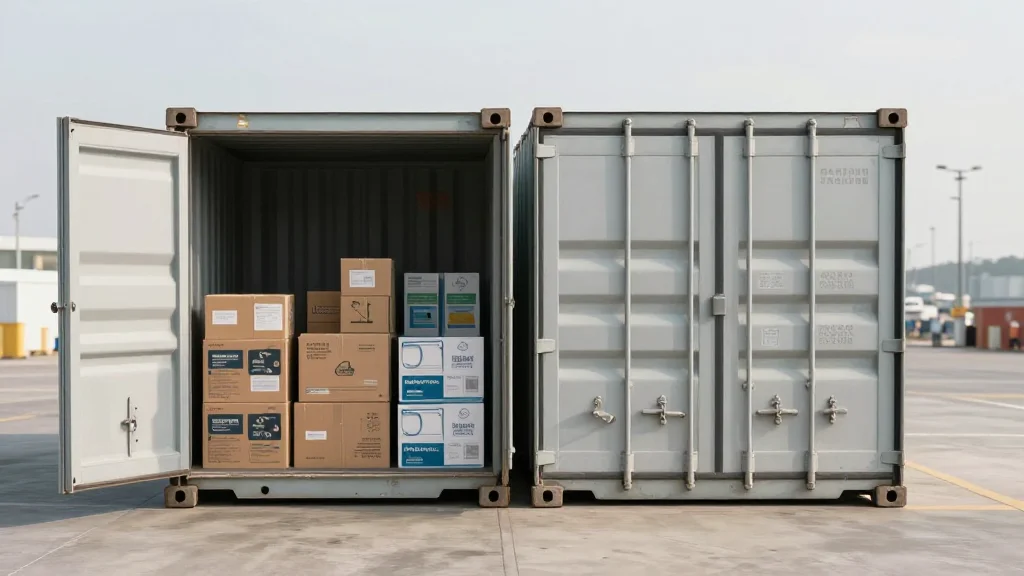
The Parallel Supply Chain … A Twilight Zone Strategy?
Key Takeaways
- •Parallel supply chains duplicate every supplier, facility, and logistics node.
- •Full duplication raises staffing and capital costs dramatically.
- •Domestic duplication offers no guarantee against future disruptions.
- •Dual sourcing and SCaaS provide flexible redundancy at lower expense.
- •Strategic stockpiles protect mission‑critical items without full supply‑chain replication.
Pulse Analysis
The COVID‑19 pandemic laid bare the fragility of globally intertwined supply networks, prompting many leaders to explore parallel supply chains as a hedge against future shocks. A parallel chain mirrors every supplier, manufacturing site, warehouse, and logistics route, allowing firms to shift volume between the primary and backup networks on short notice. While the concept promises continuity, it also demands duplicating procurement, quality, and distribution functions—an undertaking that can double staffing levels and require substantial capital investment in tooling and technology.
Proponents cite benefits such as reduced disruption risk, competitive pressure on primary partners, and the perceived safety of domestic sourcing. In practice, however, the costs quickly outweigh the gains. Maintaining two full‑scale networks strains budgets, especially for companies whose competitive edge rests on proprietary processes or sole‑source components. Moreover, relocating production domestically does not guarantee immunity from pandemics, natural disasters, or geopolitical events, as recent crises have shown. A more nuanced approach—diversifying suppliers across regions, leveraging third‑party logistics, and adopting digital twins for scenario planning—delivers resilience without the prohibitive expense of outright duplication.
The emerging consensus favors a hybrid strategy: dual sourcing critical inputs, outsourcing non‑core activities through Supply‑Chain‑as‑a‑Service platforms, and building strategic inventory buffers for mission‑critical items. This blend provides flexibility, cost control, and rapid scalability when disruptions arise. Companies that embed these practices into their risk‑management frameworks will be better positioned to navigate future volatility, turning supply‑chain resilience from a costly afterthought into a sustainable competitive advantage.
The Parallel Supply Chain … A Twilight Zone Strategy?
Comments
Want to join the conversation?