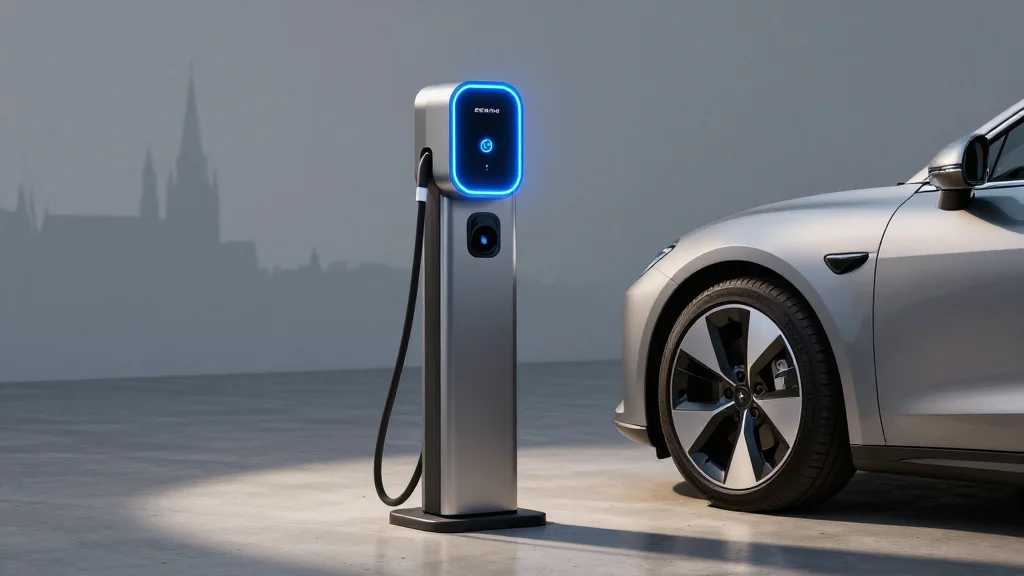
3,000 Ultrafast EV Chargers Planned For Europe — Just From BYD
Companies Mentioned

Why It Matters
By dramatically cutting charge times and buffering grid demand, BYD’s network could accelerate EV adoption in Europe and set a new benchmark for public‑charging infrastructure.
Key Takeaways
- •BYD targets 3,000 Flash chargers across Europe by 2027
- •600 UK sites will cost roughly £500k ($630k) each
- •Chargers use on‑site batteries to ease grid demand
- •400 kW+ power can refill many EVs in ~5 minutes
- •Fast permitting could outpace traditional fuel‑station rollout
Pulse Analysis
Europe’s electric‑vehicle market is entering a critical scaling phase, and BYD’s announcement of 3,000 ultrafast "Flash" chargers signals a bold push to fill the infrastructure gap. The chargers, delivering over 400 kW, promise a five‑minute top‑up for compatible models, a speed that rivals a quick coffee break. By integrating proprietary battery storage at each site, BYD not only sidesteps peak‑load penalties on municipal grids but also creates a resilient micro‑grid that can smooth renewable variability. This approach mirrors a broader industry trend where charging stations double as distributed energy resources, offering utilities a new tool for grid balancing.
The financial outlay—approximately £500,000 ($630,000) per station—places BYD in the premium tier of charging providers, positioning the company alongside incumbents like Ionity and Tesla’s Supercharger network. However, the high upfront cost is offset by potential revenue streams from ancillary services such as demand‑response participation and battery‑as‑a‑service contracts. In markets where electricity tariffs are volatile, on‑site storage allows BYD to purchase power during off‑peak periods and discharge during high‑demand intervals, improving the economics of each charger. Competitors will need to match this blend of speed, grid support, and financial viability to stay relevant.
From a consumer perspective, the perception of charging speed remains a barrier to broader EV adoption. While most long‑distance drivers can comfortably charge during a 20‑40‑minute rest stop, the promise of a five‑minute refill addresses the anxiety of the “impatient” segment and could shift public opinion about EV convenience. Moreover, BYD’s emphasis on rapid permitting—asserting that council approvals can be secured faster than traditional fuel‑station construction—highlights a regulatory advantage that could accelerate network density. If the rollout proceeds as planned, Europe may witness a new standard for public charging that blends ultra‑fast power, grid resilience, and strategic site deployment, ultimately nudging the continent closer to its decarbonization targets.
3,000 Ultrafast EV Chargers Planned For Europe — Just From BYD
Comments
Want to join the conversation?
Loading comments...