Companies Mentioned
Why It Matters
Replacing the train’s outdated batteries with modern LFP packs would dramatically improve efficiency, lower emissions, and accelerate the Philippines’ transition to clean, reliable rail transport.
Key Takeaways
- •DOST train uses 260 lead‑acid batteries, limiting efficiency
- •BYD Shark's 29.6 kWh LFP Blade Battery offers four‑times energy density
- •BYD already supplies LFP packs for rail projects in Brazil and Australia
- •Upgrading HET with LFP could cut weight and boost range dramatically
- •Policy support needed to integrate modern batteries into Philippine rail
Pulse Analysis
The DOST Hybrid Electric Train represents a bold proof‑of‑concept for the Philippines, but its reliance on lead‑acid batteries—260 cells at roughly 30‑40 Wh/kg—has left the five‑car set heavy, fuel‑hungry, and largely idle. While the series‑hybrid drivetrain and regenerative braking are forward‑looking, the low‑energy‑density storage limits range and erodes the emissions advantage that a true electric rail system could deliver. This technical mismatch underscores a broader challenge for developing nations: marrying ambitious engineering with affordable, high‑performance energy storage.
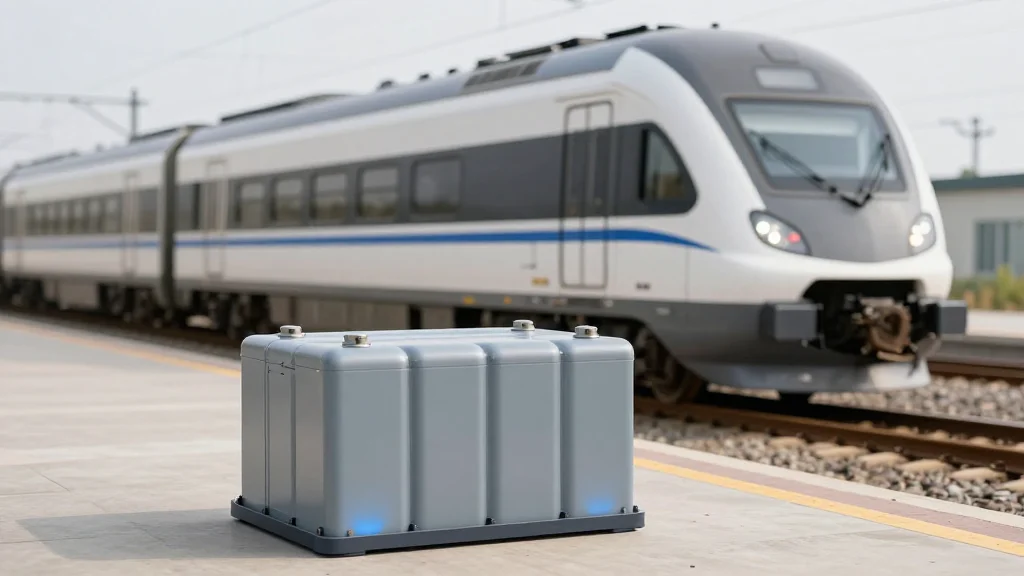
Enter BYD, a global leader in integrated battery and rail solutions. Its Shark off‑road vehicle demonstrates the capabilities of the 29.6 kWh Blade Battery, which uses lithium‑iron‑phosphate chemistry to achieve about 150 Wh/kg—nearly four times the energy density of the train’s lead‑acid pack. BYD’s recent SkyRail rollout in São Paulo and partnerships with BHP for heavy‑haul locomotives illustrate that LFP technology can meet rigorous performance and safety standards in both passenger and freight contexts. The Blade Battery’s modular design, temperature management, and longer cycle life make it a compelling retrofit candidate for the HET’s existing electric traction system.
The path forward hinges on policy and commercial alignment. The Philippines already hosts BYD’s AC Mobility operations, and the HET’s drivetrain is technically compatible with modern LFP modules. A coordinated effort—combining government incentives, streamlined certification, and a clear procurement roadmap—could replace the lead‑acid bank with a lighter, higher‑capacity LFP rack. Such an upgrade would cut fuel consumption, extend electric‑only operation, and position the country’s rail network as a showcase for hybrid‑electric innovation in Southeast Asia. The stakes are high, but the technology is ready; what remains is the will to act.
A Tale of Two Hybrids
Comments
Want to join the conversation?
Loading comments...