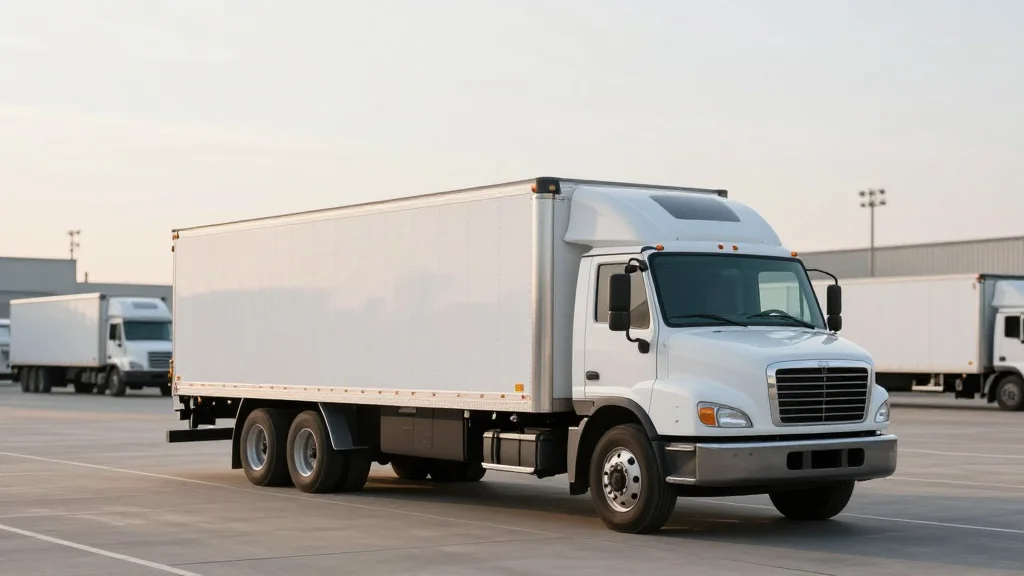
Amazon Freight Increases Dry Van Trailer Count to 80k
Companies Mentioned
Why It Matters
The fleet boost strengthens Amazon’s logistics foothold, offering shippers a reliable, cost‑competitive alternative amid a tightening carrier market. It also signals a shift toward technology‑driven freight services that could reshape pricing dynamics.
Key Takeaways
- •Fleet reaches 80,000 dry‑van trailers, up 10,000
- •Added capacity improves peak‑season flexibility for shippers
- •Trailers equipped with tracking tech reduces theft risk
- •Increased supply may drive below‑market freight rates
- •Growth occurs amid diesel price volatility and capacity shortages
Pulse Analysis
Amazon’s latest fleet expansion underscores the company’s aggressive push into the less‑than‑truckload (LTL) segment. By adding 10,000 dry‑van trailers in less than a year, Amazon Freight now operates a network large enough to rival traditional carriers on volume alone. This scale not only cushions seasonal spikes but also gives the e‑commerce giant leverage to negotiate better lane contracts and offer shippers more predictable transit times. The move arrives as the broader freight market wrestles with lingering capacity gaps left by recent carrier consolidations and regulatory hurdles.
For shippers, the immediate benefit is a broader pool of available trailer space, which can translate into lower spot‑rate pricing, especially during high‑demand periods. Industry consultant Scooter Sayers notes that Amazon’s ability to fill idle capacity at below‑market rates could force legacy carriers to re‑evaluate their pricing structures. At the same time, rising diesel costs—spurred by geopolitical tensions between the U.S. and Iran—are compressing margins across the sector, making cost‑effective capacity even more valuable. Amazon’s scale thus positions it as a price‑setting player capable of absorbing fuel volatility while still delivering competitive rates.
Technology is the third pillar of Amazon’s strategy. Each new trailer is fitted with GPS‑based tracking and telematics that provide real‑time visibility into location, temperature, and cargo integrity. This data-driven approach not only reduces theft and mis‑routing but also enables dynamic load optimization, cutting empty‑miles and improving overall efficiency. As the logistics industry leans further into digitalization, Amazon’s integrated hardware and software ecosystem could become a benchmark for future freight operations, compelling rivals to adopt similar innovations to stay relevant.
Amazon Freight increases dry van trailer count to 80k
Comments
Want to join the conversation?
Loading comments...